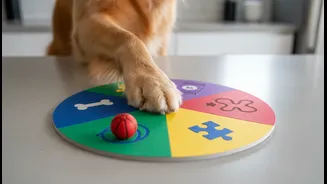






The Problem with Predictability
Dogs, much like people, can get bored with the same old routine. While they often thrive on predictability in some areas, a lack of variety in playtime can lead to disinterest and even destructive behaviors like chewing or excessive barking. That endlessly
thrown tennis ball, once a source of joy, can become just another part of the background scenery. An under-stimulated dog is a bored dog, and boredom is often the root cause of many common behavioral issues. Simply providing more exercise isn't always the answer; if the activity is always the same, it may build physical stamina without truly tiring their active minds. The key isn't just more activity, but more varied activity.
The Pillars of Canine Enrichment
A well-rounded routine is built on several pillars of enrichment that cater to a dog's natural instincts. By incorporating a mix of these, you ensure you're nurturing both their body and mind. The main categories include: Physical Enrichment: This is the most obvious category, involving activities that get your dog moving. Think walks, running, fetch, and tug-of-war. These activities are crucial for maintaining a healthy weight, strong muscles, and good cardiovascular health. Mental (or Cognitive) Enrichment: These activities challenge your dog's brain and problem-solving skills. Just 10-15 minutes of focused mental work can be more tiring for a dog than a long walk. This includes puzzle toys, learning new tricks, and playing games that require them to think. Sensory Enrichment: This pillar focuses on stimulating your dog's powerful senses, especially their sense of smell. Activities like 'sniffari' walks where they lead the way, snuffle mats, or exploring new environments provide immense satisfaction and can reduce stress.
How to Build Your Activity Calendar
Creating a rotating calendar doesn't have to be complicated. The goal is consistency and variety, not a rigid, stressful schedule. Start by thinking in terms of a week. A good rule is to offer 3-5 different toys or major activities in rotation at any one time, swapping them out weekly or bi-weekly. Here’s a simple framework: 1. Assign Daily Themes: Give each day a loose focus. For example: Mental Monday (puzzles, training), Trail Tuesday (a new walking route), Water Wednesday (if accessible), Thoughtful Thursday (sensory games), and Fetch Friday (classic physical play). 2. Mix and Match: If themes feel too rigid, simply aim to check off at least one physical, one mental, and one sensory activity every couple of days. A short training session, a walk with sniffing opportunities, and a puzzle feeder for dinner can create a fulfilling day. 3. Rotate Toys: Keep most of your dog's toys out of sight. By providing only a few at a time and swapping them every few days, old toys feel new again, maintaining their novelty and excitement.
A Bank of Fresh Ideas
Stuck for ideas? Here are some simple activities to plug into your new calendar: For Mental Stimulation: Puzzle Feeders: Ditch the food bowl and make mealtime a game. Puzzle toys require your dog to work for their food, providing an easy cognitive workout. 'Find It' Games: Hide treats or a favorite toy around a room and encourage your dog to use their nose to find it. Learn a New Trick: Short, positive training sessions for a new command like 'spin' or 'roll over' are incredibly mentally taxing and build your bond. For Physical Exercise: Vary Your Walk: Don't just walk the same block every day. Change your route, explore a new park, or hike a different trail to provide new sights and smells. Play Fetch with a Twist: Instead of just throwing a ball, ask for a 'sit' or 'down' before each throw to incorporate obedience. DIY Agility Course: Use household items like chairs to weave through or blankets to crawl under. For Sensory Fun: Snuffle Mats: These fabric mats allow you to hide kibble, encouraging your dog's natural foraging instincts. Scent Work: Hide a treat in one of several cardboard boxes or under a cup and let your dog sniff it out. Bubble Chasing: Many dogs love chasing pet-safe bubbles, which engages their sight and movement.