




Moving Beyond the Single Light
For generations, lighting in many Indian homes was straightforward: a single, bright tube light or a central fixture in the middle of the ceiling. The goal was pure function—to flood the room with uniform light. Today, that approach is being replaced
by a more sophisticated and thoughtful strategy known as layered lighting. Designers and homeowners now understand that the right light, in the right place, can completely transform a room from feeling flat and institutional to warm, inviting, and luxurious. It’s a shift from merely illuminating a space to curating an experience within it. This involves using multiple light sources to build an atmosphere, guide the eye, and make a home more versatile for the many activities it hosts, from festive gatherings to quiet evenings.
The Three Layers of Light
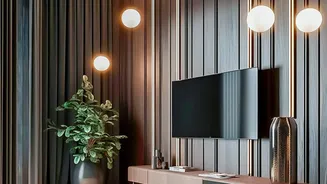
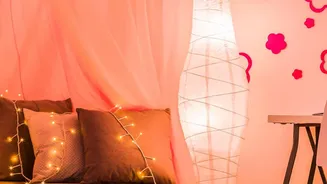
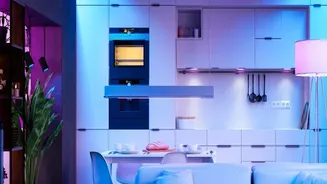
The secret to this new approach lies in combining three distinct types of lighting: ambient, task, and accent. Ambient light is the foundation; it’s the general, overall illumination that fills a room, often from recessed ceiling lights, coves, or a central chandelier. Task lighting is more focused, providing bright, direct light for specific activities like reading, cooking, or working. Think of a floor lamp by a sofa, under-cabinet lights in the kitchen, or a desk lamp in a study. The final, transformative layer is accent lighting. This is the decorative, dramatic light used to draw attention to specific features. It’s what gives a room character by highlighting a piece of art, a textured wall, a houseplant, or a unique architectural detail.
Spotlighting Art and Cherished Objects
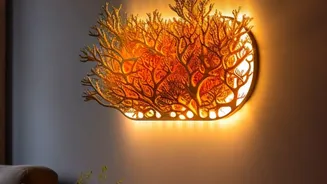
Accent lighting is where modern Indian interiors truly shine. Homeowners are increasingly using focused light to turn their prized possessions into focal points. A single, sharp spotlight, known as a COB light, can be directed at a painting or sculpture, making it pop with dramatic contrast. For a collection of family photos or a gallery wall, adjustable track lighting offers the flexibility to perfectly illuminate each piece. Another popular technique is using picture lights—small, dedicated fixtures mounted directly above artwork—to cast an elegant, contained glow. This deliberate use of light ensures that the elements that reflect personal taste and heritage, from contemporary art to traditional artefacts, don't just occupy a space but are properly celebrated within it.
Defining Furniture and Creating Zones
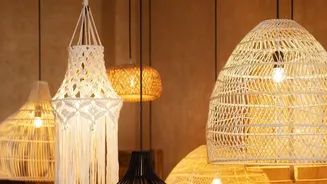
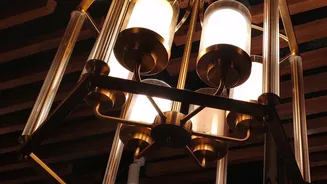
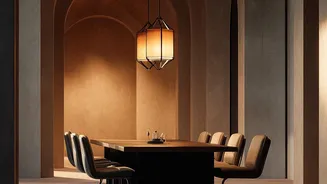
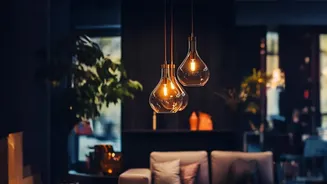
Lighting is also being cleverly used to accentuate furniture and define functional zones within open-plan living areas. A statement pendant light or a modern chandelier hanging low over a coffee table or dining table not only provides light but also acts as an anchor, visually grounding the seating or dining area. Floor lamps placed at the end of a sofa can create a cozy, defined reading nook. In bedrooms, wall sconces mounted on either side of the bed free up space on bedside tables while providing targeted reading light and adding a touch of hotel-like elegance. This strategic placement helps to break up larger rooms into more intimate, usable zones without the need for walls or partitions.
Bringing Plants and Greenery to Life
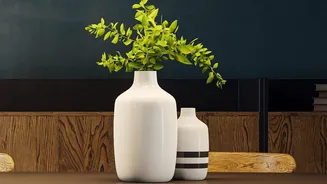
As biophilic design—the integration of nature into our homes—gains popularity, lighting is playing a key role in highlighting indoor plants. A simple uplighter placed on the floor behind a large potted plant, like a fiddle-leaf fig or a monstera, can create dramatic shadows on the wall and ceiling, turning the plant into a living sculpture after dark. For shelves displaying smaller pots or trailing plants like pothos, discreet LED strip lights can be tucked away to cast a soft, ethereal glow, making the greenery a vibrant feature of the room's decor day and night.
Highlighting Architectural Details
Finally, lighting is being integrated directly into the architecture of the home itself. Cove lighting, where LED strips are hidden within a false ceiling, provides a soft, indirect ambient light that makes ceilings appear to float, adding a sense of height and luxury. Wall-washing or grazing techniques, where light is cast down a textured surface like a brick or stone wall, can emphasize its unique finish and add a sense of depth. Even staircases are getting attention, with small lights integrated into the risers or wall to improve safety and create a beautiful visual effect. By using light to trace the lines and textures of a space, designers are making the architecture an active part of the decor.