
1. Understand the Price Break-Up
Before you can save, you need to know what you’re paying for. The final price of gold jewellery isn't just the gold's weight multiplied by the daily rate. It’s a sum of three main parts: the gold value, making charges, and Goods and Services Tax (GST).
The gold value is based on its purity (like 22K or 18K) and weight. Making charges are what the jeweller adds for craftsmanship, which can range from 8% to over 25%. A 3% GST is then applied to the total of the gold value and making charges. Always ask for an itemised bill to see this breakdown clearly.
2. Negotiate on Making Charges
The price of gold itself is non-negotiable, as it’s tied to the market rate. However, making charges are entirely at the jeweller's discretion and are often the most flexible part of your bill. These charges vary widely from one jeweller to another and depend on the complexity of the design. Machine-made jewellery or simpler designs usually have lower making charges, sometimes starting from 3-8%, while intricate, handmade pieces can command 25% or more. Don't hesitate to politely negotiate this fee. Many customers are unaware this is an option, but even a small percentage reduction can lead to significant savings on a large purchase.
3. Watch Out for 'Wastage' Charges
Some jewellers include an additional fee called 'wastage,' which accounts for the small amount of gold lost during the manufacturing process. This can range from 5% to as high as 18% and is often where jewellers build in extra margin. Sometimes, making charges and wastage are combined into a single 'Value Addition' (VA) fee. Always ask for clarity on whether wastage is included and how it is calculated. Choosing jewellers who use modern technology can help, as efficient methods result in less wastage. Opting for simpler designs also naturally reduces potential wastage.
4. Choose Simpler Designs Over Intricate Ones
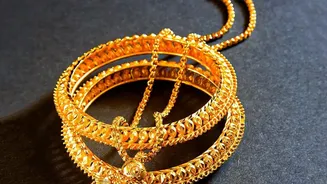
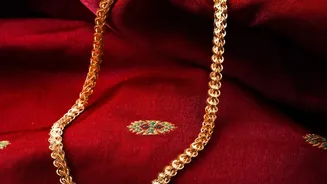
The more complex and detailed a design is, the more labour-intensive it is to create, leading to higher making charges. Handcrafted jewellery, temple jewellery, and pieces with intricate latticework will always cost more than simple, machine-made items like plain chains or bangles. If your primary goal is to own gold rather than a specific elaborate design, opting for simpler, classic pieces is a direct way to reduce your bill. These pieces not only have lower making charges but often have better resale value, as the focus is on the gold content rather than the craftsmanship you paid for.
5. Always Insist on Hallmarked Jewellery
This isn't a cost-cutting tip in the traditional sense, but it's crucial for ensuring you get your money's worth. The Bureau of Indian Standards (BIS) hallmark is a certification that guarantees the purity of the gold you are buying. It confirms that a 22K piece truly contains 91.6% pure gold (often stamped as 916). Hallmarking is mandatory in India for the legal sale of gold jewellery and protects you from being sold lower-purity gold at a higher price. Before paying, look for the BIS triangular logo and the purity grade on the jewellery itself.
6. Explore Gold Savings Schemes
Many major jewellers in India offer gold savings schemes, which allow you to save for a future purchase by making regular monthly payments for a fixed tenure, typically 11 months. At the end of the term, you can buy jewellery with the accumulated amount. The benefit is that jewellers often add a bonus, such as waiving the last instalment or offering a discount on making charges upon redemption. This is a disciplined way to plan for a big purchase, like for a wedding or festival, and can effectively reduce your overall cost. However, be sure to read the terms and conditions carefully before enrolling.
7. Compare and Consider Buy-Back Policies
Don’t settle for the first jeweller you visit. Prices, and especially making charges, can differ significantly between stores. Compare offers from a few trusted jewellers before making a decision. While comparing, also inquire about their buy-back or exchange policy. Understanding how much value you’ll get if you decide to sell or exchange the jewellery in the future is an important part of a smart purchase. Reputable jewellers will have transparent policies, usually valuing the gold based on its weight and purity at the current market rate, though making charges are rarely refunded.