

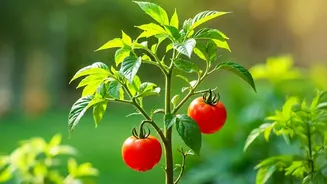
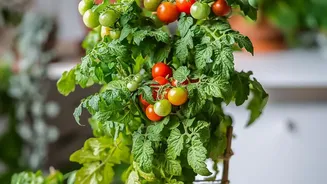
Finding the Perfect Pot and Spot
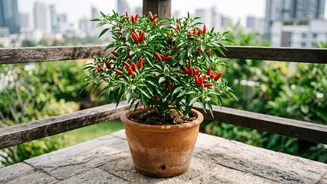
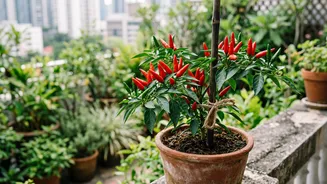
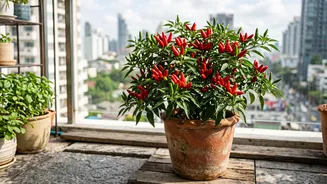
Your journey begins with selecting the right home for your chilli plant. Choose a pot that is at least 8 to 12 inches deep and wide to give the roots ample space to grow. Drainage is critical, as chilli plants dislike having 'wet feet', so ensure your container
has holes at the bottom. Terracotta pots are a great option as they are porous and allow soil to breathe. The next crucial element is sunlight. Thai chillies thrive in warmth and need at least six to eight hours of direct sunlight every day. A south- or west-facing balcony is often ideal, providing the bright, consistent light necessary for the plant to produce flowers and fruit.
Creating an Ideal Soil Mix
Chilli plants need a potting medium that is both nutritious and well-draining. A store-bought potting mix works well, but creating your own is simple and effective. A balanced blend consists of equal parts garden soil, compost or well-rotted manure, and cocopeat. The soil provides structure, compost adds vital nutrients, and cocopeat helps retain moisture while keeping the mix light and airy. This combination ensures that the roots have access to water and nutrients without becoming waterlogged, which can lead to root rot.
Planting Your Chilli
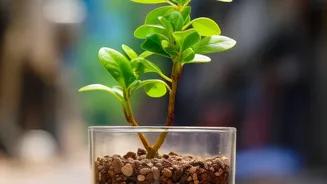
For beginners, starting with a small sapling from a local nursery is often easier than growing from seed. Once you have your plant, fill your chosen pot with the prepared soil mix, leaving a little space at the top. Make a small well in the centre and gently place the sapling in it, ensuring the root ball is level with the soil surface. Backfill with soil, lightly patting it down around the base of the plant to remove air pockets. Water the plant thoroughly after planting to help it settle into its new home.
Watering and Feeding Wisely
Consistency is key when it comes to watering. Water your chilli plant deeply whenever the top inch of the soil feels dry to the touch. Be careful not to overwater; it is better to let the soil dry out slightly between waterings. About six weeks after planting, you can start feeding your plant to encourage growth and fruit production. A liquid fertilizer, such as a balanced tomato feed or a seaweed solution, can be applied every two to three weeks. Alternatively, you can top-dress the soil with a layer of compost or vermicompost every month to provide a slow release of nutrients.
Guarding Against Common Pests
Balcony gardens are not immune to pests. Keep an eye out for common intruders like aphids, spider mites, and whiteflies. Aphids are small, pear-shaped insects that cluster on new growth, while spider mites often create fine webbing on the undersides of leaves. Check your plant regularly, especially under the leaves. If you spot any pests, a simple spray of neem oil mixed with water and a mild soap can be an effective organic solution to keep them at bay.
Harvesting Your Fiery Rewards
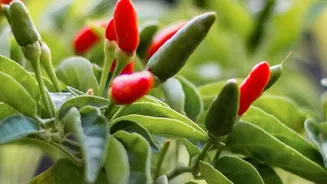
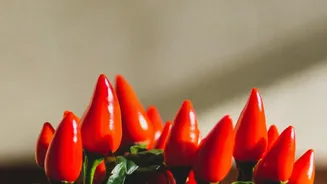
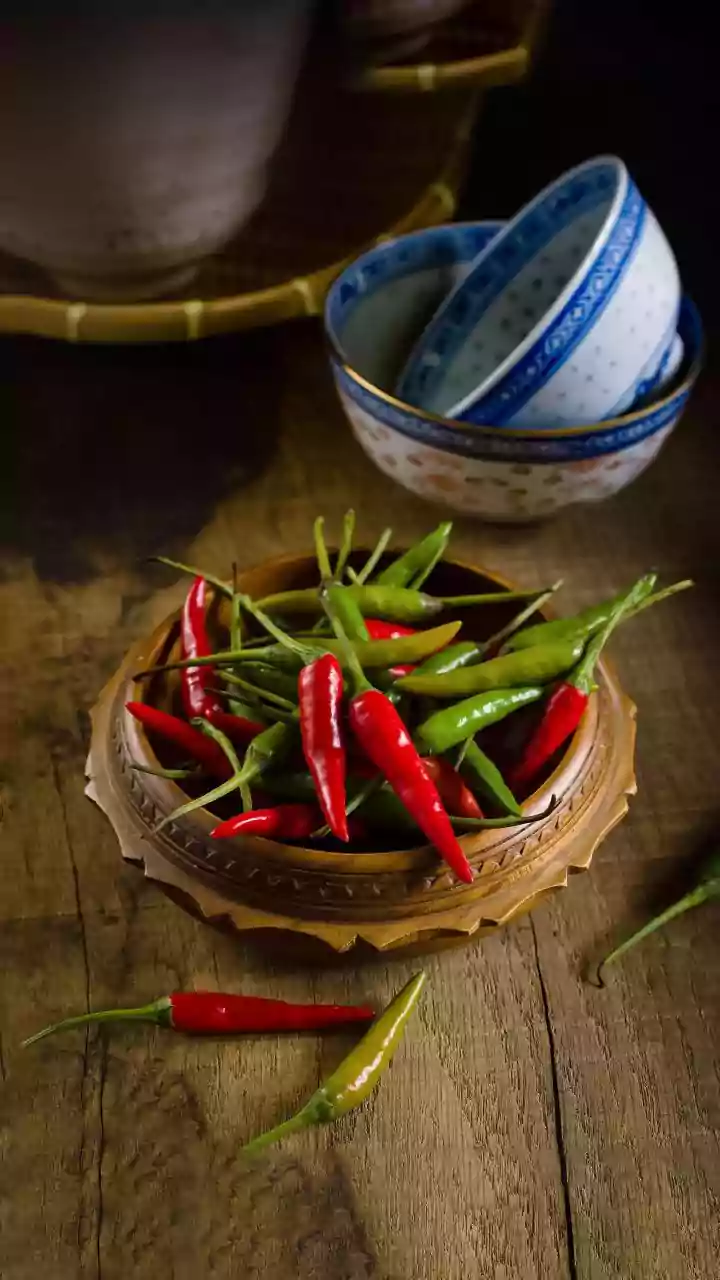
After about 60 to 90 days, your plant should start producing fruit. Thai chillies, often called Bird's Eye chillies, typically start green and turn a vibrant red as they mature. You can harvest them at either stage. Green chillies offer a milder heat, while red chillies are at their peak spiciness and flavour. To harvest, use a pair of scissors or pruning shears to snip the peppers off the stem. Regular harvesting encourages the plant to produce more fruit, ensuring a steady supply for your kitchen adventures.