








The Old vs. The New
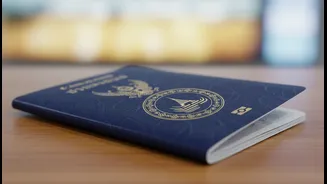
In a significant policy shift announced on July 14, 2026, Thailand's cabinet confirmed new visa regulations for Indian citizens. Previously, Indians could enter with a 60-day visa exemption, a generous policy that followed a period of visa-on-arrival.
Now, this has been replaced with a 30-day visa-free entry scheme. This move upgrades India from the visa-on-arrival category to a formal visa-exemption list, streamlining the arrival process. The decision came after a period of uncertainty, where a proposed rollback of visa-free privileges led to a drop in tourist numbers from India, one of Thailand's largest tourism markets. The government's new stance aims to provide clarity for travellers while aligning the stay duration with typical tourist behaviour.
More Convenience, Less Paperwork
The key advantage of the new rule is convenience. For the vast majority of Indian tourists, this change is a clear positive. It eliminates the need for any pre-travel visa applications or on-arrival paperwork and fees that came with the old Visa on Arrival system. You simply arrive with your passport and receive a 30-day entry stamp. According to Thai authorities, the average stay for an Indian tourist is just over seven days, making a 30-day window more than sufficient for most holiday plans. This aligns with the government's stated goal of reflecting actual travel patterns while boosting the tourism industry. The change simplifies trip planning for short vacations, family visits, and business trips, making Thailand more accessible than ever.
The Catch: Tighter Stay Limits
The headline's 'tighter stay limits' refers to two aspects: the reduction from a 60-day to a 30-day stay and a broader crackdown on visa misuse. The Thai government has been clear that the previous 60-day exemption was being exploited by some individuals for non-tourism activities, including illegal work. This created security concerns and prompted a nationwide policy review. The new 30-day limit is part of a strategy to attract 'quality' tourists with genuine travel purposes while making it harder for people to maintain long-term residency on back-to-back tourist stamps. For travellers who enjoyed longer, more flexible trips, this new rule requires more planning. While a one-time 30-day extension may be possible at a local immigration office for a fee, the era of easy, indefinite stays through simple visa runs is coming to an end.
Who Does This New Rule Benefit?
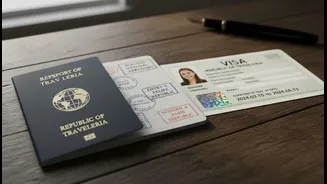
This policy is tailor-made for the typical Indian tourist. If you're planning a one-to-four-week holiday to explore Bangkok's markets, relax on Phuket's beaches, or visit Chiang Mai's temples, the new system is simpler and more efficient. It removes visa-related stress and costs. However, the rule presents a challenge for others. Digital nomads, backpackers on extended Southeast Asia tours, or anyone hoping for a stay longer than one month will now find their plans constrained. These long-stay travellers will need to explore other options, such as applying for a 60-day tourist visa from a Thai consulate before departure or looking into specific long-term visas if they qualify. The government's message is clear: short-term tourism is being made easier, but long-term stays require proper, pre-approved visa channels.
Planning Your Trip Under the New Rules
For Indian travellers, planning a trip to Thailand is now more straightforward for stays under 30 days. Ensure your passport is valid and book your flights and accommodation. Upon arrival, you will receive your 30-day entry stamp. It's also important to be aware of the Thailand Digital Arrival Card (TDAC), which has replaced the old paper forms and must be filled out online before arrival. If you intend to stay longer than 30 days, your best bet is to secure the appropriate visa in advance from a Thai embassy or consulate in India. The new rules will officially take effect 15 days after being published in the Royal Gazette, so it is always wise to check the latest status with official sources before you travel.