




The festive cheer of December is calling, but booking your holiday flight might feel less than cheerful this year. Expect a scramble for seats and prices that could make your wallet weep. Here’s what’s brewing in the skies and how you can navigate it.
Fewer Flights, Tighter Squeeze
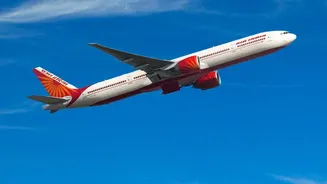
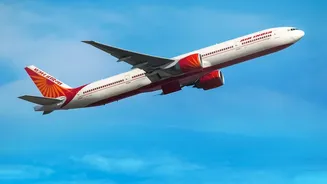
Indian carriers have scheduled thousands fewer domestic flights for November and December 2026 compared to last year. This reduction, averaging over 100 fewer flights daily, comes right during the peak season for holiday, wedding, and festival travel. While some airlines are using larger aircraft to keep the total number of seats from dropping dramatically, the reality for travellers is fewer departure times to choose from. The Air India group and SpiceJet have seen significant cuts in their schedules. This means more competition for the remaining slots, especially on popular routes with limited competition, which is a classic recipe for higher prices. The cuts are driven by a combination of high operating costs, including volatile jet fuel prices and a weaker rupee, and what some reports suggest is a softening in overall passenger demand compared to 2025.
The Forces Driving Up Fares
Several powerful factors are conspiring to make your holiday travel more expensive. Aviation Turbine Fuel (ATF) remains a huge part of an airline's operating cost in India, often making up 40-50% of expenses, which is much higher than the global average. Any geopolitical tension or change in global crude prices quickly gets passed on to consumers. On top of this, the Indian aviation market has seen major consolidation. With fewer airlines competing after the exit of carriers like Jet Airways and Go First, there is less pressure to keep fares low. Airlines also use sophisticated dynamic pricing, where algorithms adjust fares in real-time based on demand. As seats on a particular flight fill up for the popular dates around Christmas and New Year's, the prices for the remaining ones automatically surge.
Your Smart Traveller Playbook for December
While the market is challenging, smart planning can still lead to significant savings. Your best strategy is to act decisively and flexibly. First, book as early as possible. For peak December travel, the ideal booking window is often several months in advance, with some experts suggesting that by October, the cheapest seats are already gone. If you haven't booked yet, do it now, as last-minute deals are highly unlikely for this period. Second, be flexible with your dates. Flying mid-week (Tuesday or Wednesday) can be substantially cheaper than on weekends. If possible, travel in the first half of December and return after the first week of January to avoid the most expensive peak. Even flying on Christmas Day itself can sometimes be cheaper. Finally, use technology to your advantage. Set up fare alerts on comparison websites like Google Flights, Skyscanner, or MakeMyTrip for your desired routes. This allows you to track prices and book when a dip occurs. Also, consider looking at flight and hotel package deals, as these can sometimes offer better value than booking separately.
Navigating Delays and Cancellations
With packed airports and potential flight schedule changes, it pays to know your rights. India's Directorate General of Civil Aviation (DGCA) has a Passenger Charter that outlines airline obligations for delays, cancellations, and denied boarding due to overbooking. For significant delays, airlines are required to provide meals and refreshments. If you are involuntarily denied boarding, you could be entitled to compensation of up to 400% of your one-way fare, capped at ₹20,000, depending on the length of the delay for the alternate flight. In case of a cancellation with little notice, compensation can be up to ₹10,000. It is wise to keep a digital or physical copy of your ticket and any communication from the airline. If you have a grievance, you can file a complaint directly with the airline or through the government's AirSewa portal.