






The Silent Toll of the Desk Job
Our bodies aren't designed for the long hours of sitting that modern office life demands. While it might not feel strenuous, this prolonged sedentary behaviour is a significant health risk. The World Health Organization (WHO) links excessive sitting to
a higher risk of cardiovascular disease, type 2 diabetes, and certain cancers. When we sit for extended periods, our circulation slows, our metabolism becomes less active, and the muscles that support our posture weaken. This can lead to chronic back pain, stiff necks, tight hips, and even mental fatigue. Studies show that sitting for over eight hours a day with no physical activity carries a risk of dying similar to that posed by obesity and smoking. It’s not about being lazy; it's that our work environments often trap us in a state of inactivity that quietly undermines our health.
Your New Best Friend: The Movement Alarm
The solution is deceptively simple: move more, more often. This is where the concept of a 'movement alarm' comes in. It’s not just another annoying notification, but a deliberate system to break up long stretches of sitting. The goal is to interrupt sedentary time with short, regular bursts of activity. Think of it as hitting a reset button for your body and mind. Research has shown that frequent, short breaks can significantly boost well-being and work engagement without harming productivity. A recent large-scale study found that five-minute walking breaks every hour provided the best balance of benefits and practicality. These micro-breaks improve blood flow, reduce muscle strain, and can even sharpen your focus when you return to your task.
How to Set Up Your Movement System
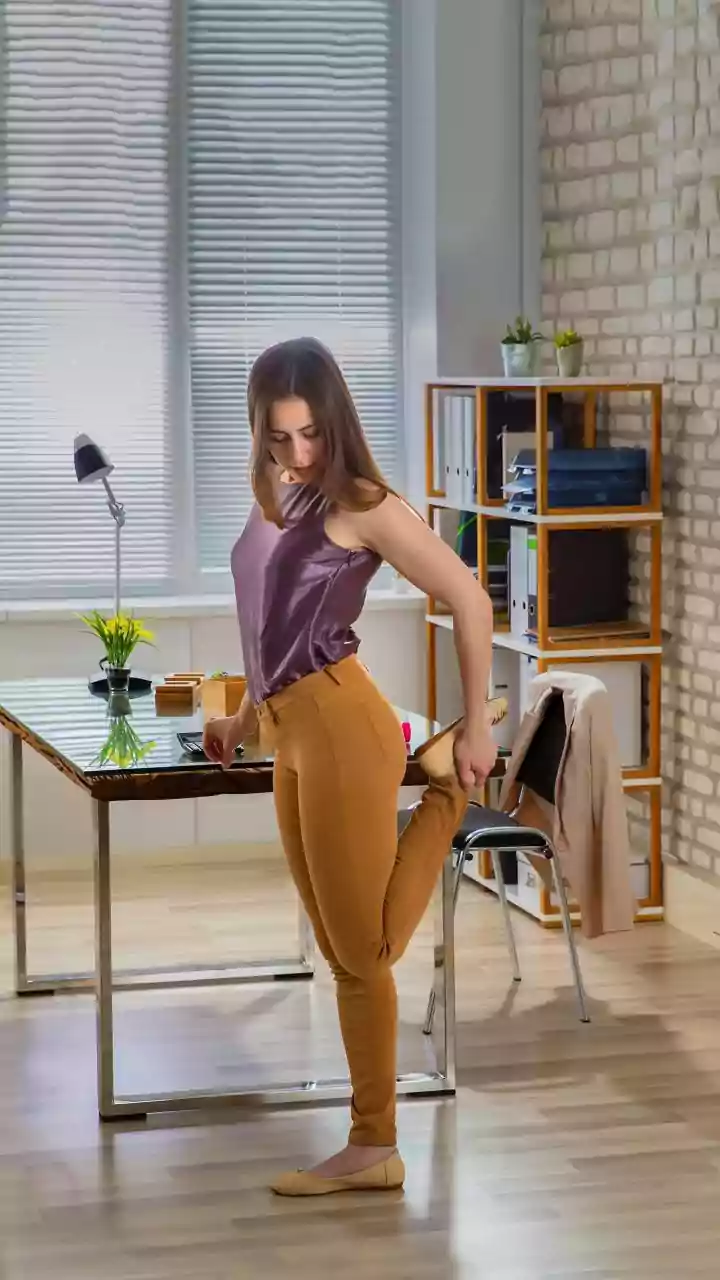
Creating your own movement alarm system is easy. The most common recommendation is to take a break from sitting every 30 to 60 minutes. Use your phone's alarm, a smartwatch reminder, or a calendar notification to prompt you. When the alarm goes off, don't just ignore it. Stand up for 5 to 10 minutes. You don’t need to do a full workout. The key is simply to change your posture and get your muscles working. Walk to get a glass of water, do some gentle stretches by your desk, or simply stand while you take a phone call. Some simple office-friendly stretches include neck rotations, shoulder rolls, and side bends. For your eyes, practice the 20-20-20 rule: every 20 minutes, look at something 20 feet away for 20 seconds to reduce digital eye strain. The goal is consistency, not intensity.
Beyond the Alarm: Weaving Movement into Your Day
While an alarm is a great starting point, the ultimate goal is to build a more active workday. Look for opportunities to move that don't require a reminder. If you have a one-on-one meeting, suggest making it a 'walking meeting' instead of sitting in a conference room. Take the stairs instead of the elevator whenever possible. If you commute via public transport, get off one stop early and walk the rest of the way. At your desk, simple exercises like seated leg raises or shoulder shrugs can keep you from feeling stiff. If you have the option, a height-adjustable standing desk can be a fantastic tool, allowing you to alternate between sitting and standing throughout the day. These small adjustments add up, creating a healthier and more dynamic work routine.