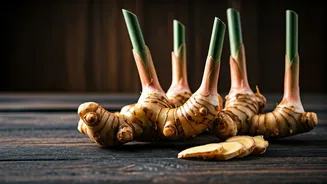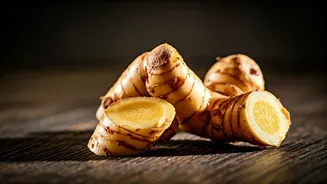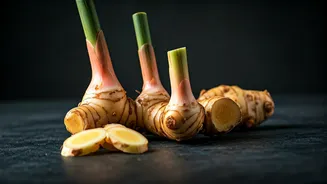






What Exactly is Galangal?
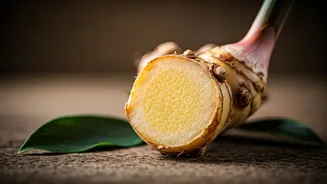
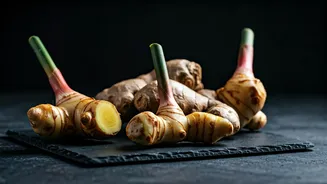
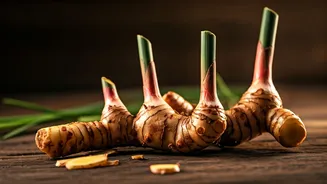
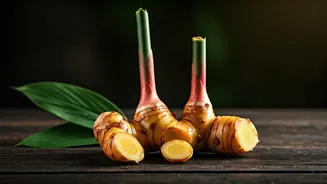
At first glance, you might mistake galangal for ginger. They are indeed from the same family (Zingiberaceae), which also includes turmeric and cardamom. Galangal is a rhizome, which is a type of underground stem, not a root. Primarily used in Southeast
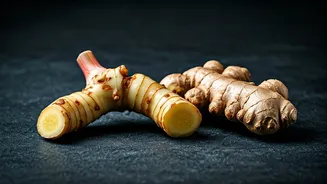
Asian cuisines, particularly Thai, Indonesian, and Malaysian, it's often referred to as Thai ginger or Siamese ginger. However, this nickname doesn't do justice to its unique identity. Unlike the bumpy, beige-brown skin of ginger, galangal typically has smoother, paler skin that can be reddish or light tan, with a very firm, almost woody, flesh inside.
The Ginger vs. Galangal Showdown
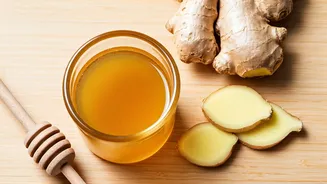
While they look related, galangal and ginger are not interchangeable in recipes. Substituting one for the other will dramatically change the final dish. Ginger offers a pungent, spicy, and slightly sweet warmth. Galangal, on the other hand, boasts a completely different flavor profile. It is sharp, with strong citrusy and pine-like notes, and a peppery kick that is more aromatic than fiery. The texture is also a key differentiator. Fresh ginger is fibrous but relatively soft and can be easily grated. Galangal is much denser and more fibrous, requiring a very sharp knife to slice it. In fact, it's so tough that it's often sliced and added to soups or curries to infuse its flavor, then removed before serving, much like a bay leaf or cinnamon stick.
A Symphony of Flavors
Describing the taste of galangal is like trying to capture a complex perfume. The primary notes are citrusy and peppery, as the headline suggests. But there's more to it. You'll find earthy, woody undertones and a distinct pine-like aroma that some liken to a refreshing, medicinal scent. This unique combination allows it to cut through rich flavors, providing a bright and fragrant lift. While ginger’s heat warms the palate, galangal's pungency is more of a clean, sharp tingle. It’s a flavor that is fundamental to the authentic taste of many iconic Southeast Asian dishes.
Bringing Galangal into Your Kitchen
The most famous applications for galangal are in Thai cuisine. It is a non-negotiable ingredient in classic soups like Tom Yum (hot and sour soup) and Tom Kha Gai (chicken coconut soup), where its fragrance forms the backbone of the broth. It's also a key component of many Thai curry pastes, pounded together with other aromatics like lemongrass and kaffir lime leaves. Beyond Thailand, it's crucial in Indonesian dishes like beef rendang and various sambals. To use it, you don't typically need to peel its thin skin, but you must slice it thinly or pound it in a mortar and pestle to release its aromatic oils. If you're feeling experimental, try adding a few slices to your next fish curry, lentil soup, or even a pot of basmati rice to infuse it with a new layer of fragrance.
A Nod to Wellness
Like its relatives, galangal has a long history of use in traditional medicine, from Ayurveda to traditional Chinese practices. It is rich in antioxidants, particularly polyphenols, which help protect the body's cells from damage. It has been used for centuries to aid digestion, reduce inflammation, and alleviate stomach discomfort. Some studies suggest its compounds may have anti-inflammatory and antimicrobial properties, making it a valuable addition to a wellness-focused diet.
How to Buy and Store
You can find fresh galangal in Asian markets and some larger supermarkets. Look for firm, plump rhizomes without any signs of shriveling or mold. Fresh galangal can be stored in the refrigerator, wrapped in a paper towel inside a plastic bag, for two to three weeks. For longer storage, it freezes exceptionally well. Simply slice it (peeled or unpeeled) and store it in a freezer bag for up to two months. You can use the frozen slices directly without thawing. Dried slices and powdered galangal are also available, but the flavor of fresh galangal is far superior and vibrant.