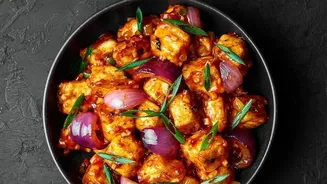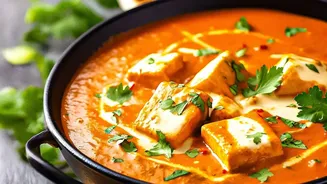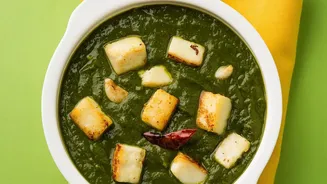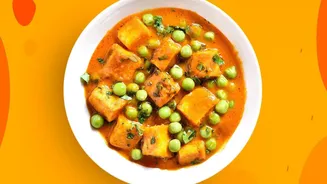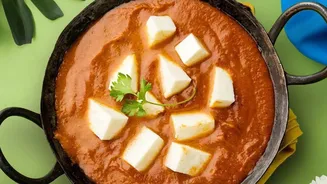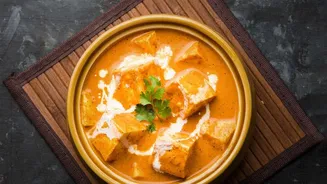


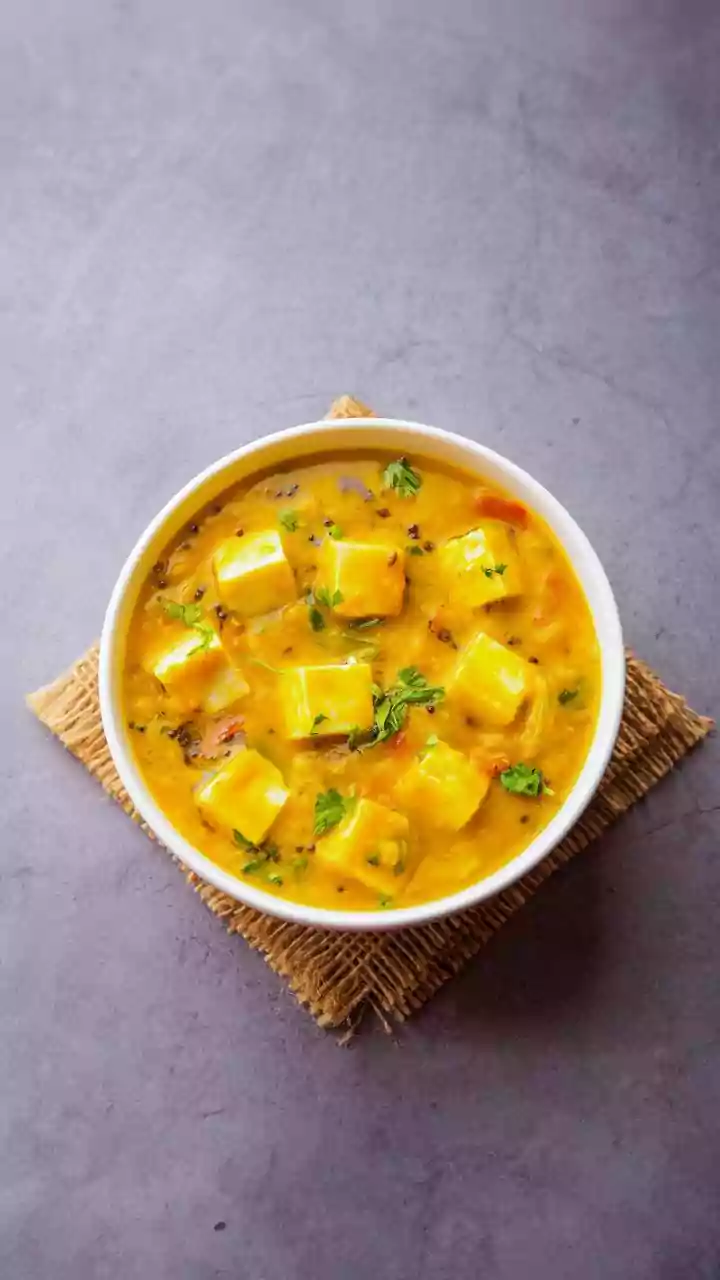
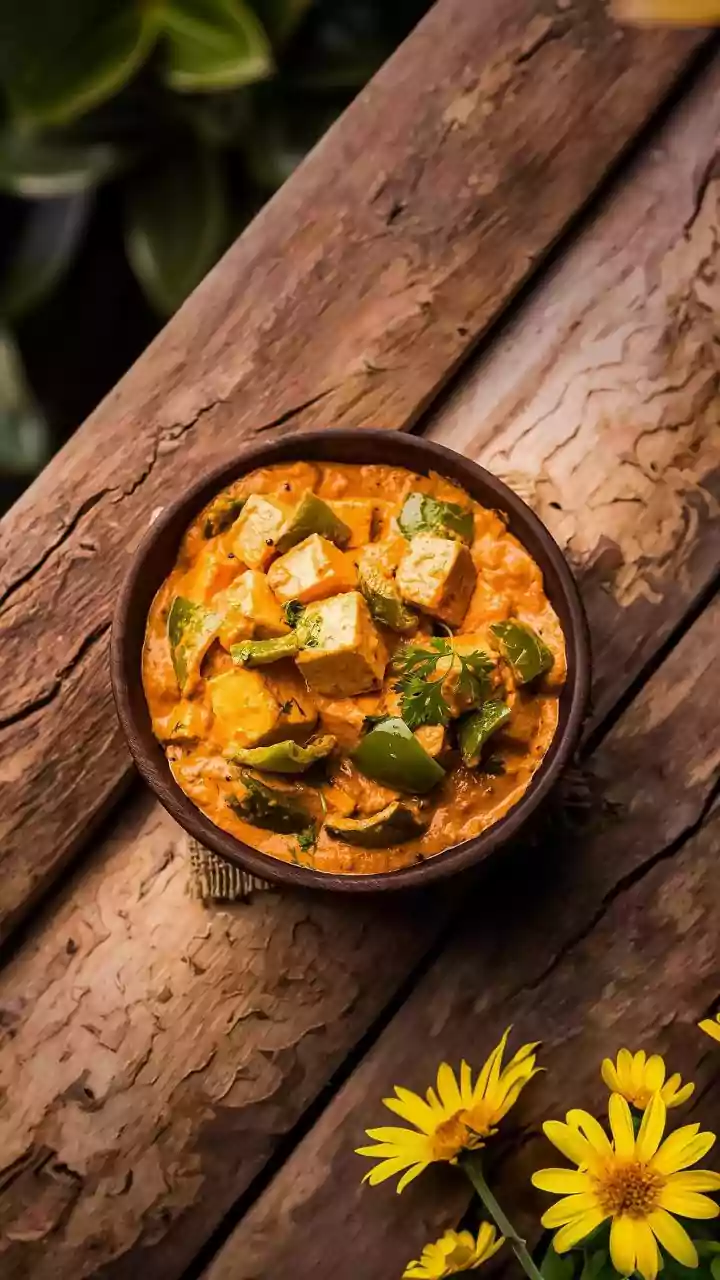


Ever wonder why your homemade paneer curry never quite matches the silky, luxurious texture of your favourite restaurant's? The secret isn't a rare spice; it's a simple technique called emulsification, and it's the key to a perfect gravy.
The Science of a Silky Gravy
At its heart,
a great curry gravy is an emulsion: a stable mixture of fat and water, two things that famously don't like to mix. Think of a vinaigrette separating back into oil and vinegar. The same thing happens in a paneer gravy when the ghee or butter separates from the tomato and onion base, creating an oily, broken mess. Emulsification is the art of convincing them to bond, resulting in a smooth, creamy, and cohesive sauce where every spoonful is perfectly blended. This process requires an 'emulsifier', an ingredient that helps bind the fat and water molecules together. Getting this right is what separates a decent home-cooked meal from a truly memorable one.
Hack 1: Build a Strong Foundation With Pastes
The first step to a stable emulsion happens long before you add any cream. A well-made base of finely ground onion, ginger, and garlic is crucial. But the real game-changer is adding a nut paste. Soaking a handful of cashews in warm water and blending them into a smooth paste creates a powerful, natural emulsifier and thickener. The starches and proteins in the cashews work to bind the water and fat in the gravy, adding body and a subtle, sweet richness that is characteristic of dishes like Shahi Paneer or a restaurant-style Paneer Butter Masala. When you add this paste to your pan, cook it gently until it's well-integrated, creating a stable foundation for the rest of your ingredients.
Hack 2: Tame the Tomatoes
Tomatoes add essential flavour and body, but their acidity can be an enemy of a stable emulsion, often causing dairy to curdle. The trick is to cook them properly. Whether you use fresh, puréed, or canned tomatoes, they must be cooked down until they lose their raw, sharp taste and the oil begins to separate from the mixture. This stage, known as 'bhunao' in Indian cooking, is not to be rushed. Properly cooked tomatoes create a less acidic and more stable base, making it much easier to incorporate fats and dairy later without the risk of splitting. It's this deep, slow-cooked flavour that forms the backbone of a truly rich gravy.
Hack 3: Temper Your Dairy
One of the most common mistakes is adding cold yogurt or cream directly to a bubbling hot curry. This sudden temperature shock causes the proteins in the dairy to tighten and clump, resulting in a grainy, curdled sauce. The solution is tempering. Before adding yogurt or cream to the pot, take it out of the fridge and let it come closer to room temperature. Whisk it well to ensure it's smooth. Then, take a few spoonfuls of the hot curry gravy and slowly whisk them into the dairy. This gradually raises the temperature of the dairy, preventing it from splitting when you finally stir it into the main pot. Also, always add dairy over low heat, never into a rolling boil.
Hack 4: Use the Right Kind of Fat
The type of fat and dairy you use matters. Full-fat ingredients are your friends when it comes to emulsification. High-fat yogurt (like Greek yogurt or one made from buffalo milk) contains more fat to protect the proteins from denaturing and curdling. Low-fat or non-fat yogurts have a higher proteintofat ratio, making them much more prone to splitting when heated. Similarly, finishing a dish with a pat of butter or a drizzle of cream does more than just add flavour; the fat contributes to the final, stable emulsion, giving the gravy that glossy, professional finish. When incorporating these fats, stir them in slowly and at the end of the cooking process over low heat.