





Go Lighter, Not Less
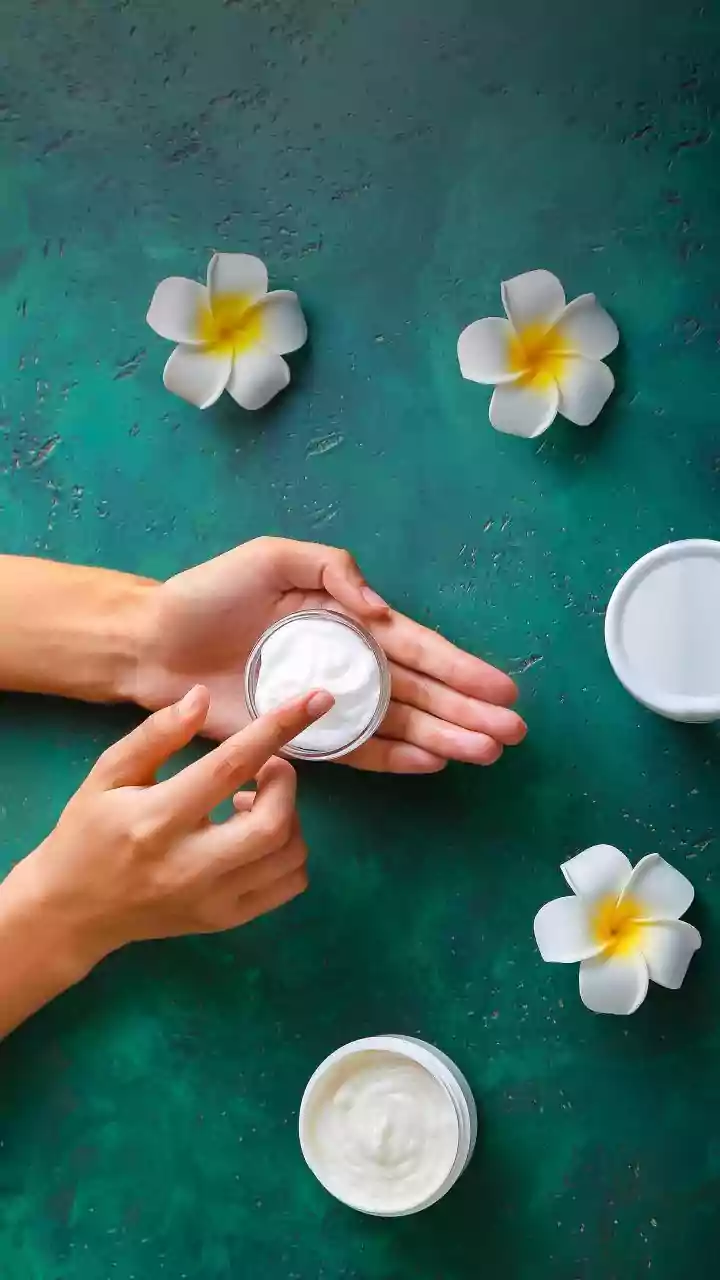
The single most important change for monsoon skincare is to switch your product textures. Heavy, occlusive creams that served you well in drier months can trap sweat and oil in high humidity, leading to clogged pores and breakouts. This doesn't mean you should
skip steps; it means you should opt for lighter formulations. Think lightweight, breathable products that hydrate without leaving a greasy film. The goal is to balance the skin by providing hydration without heaviness, allowing it to breathe in the moisture-laden air.
Rethink Your Cleansing Routine
High humidity means more sweat and oil, which can mix with environmental pollutants and clog your pores. It's crucial to cleanse your face twice daily with a gentle, effective cleanser. Aggressive scrubbing or using harsh, stripping cleansers can backfire by damaging the skin's protective barrier, which ironically signals your skin to produce even more oil. Look for gel-based or low-foam cleansers that remove grime and excess sebum without leaving your skin feeling tight or dry. For those who wear makeup or sunscreen, a double cleanse in the evening—starting with an oil-based cleanser or micellar water, followed by a water-based wash—is highly effective.
Exfoliate, But Gently and Strategically
Exfoliation is key to sloughing off dead skin cells and preventing the pore congestion that is common in the rainy season. However, over-exfoliation can be particularly damaging in humid weather, as it can compromise your skin barrier and increase sensitivity. Instead of harsh physical scrubs, consider using a gentle chemical exfoliant with ingredients like Alpha Hydroxy Acids (AHAs) or Beta Hydroxy Acids (BHAs) once or twice a week. This approach helps keep pores clear and skin looking bright without causing irritation.
Switch to a Lightweight Moisturiser
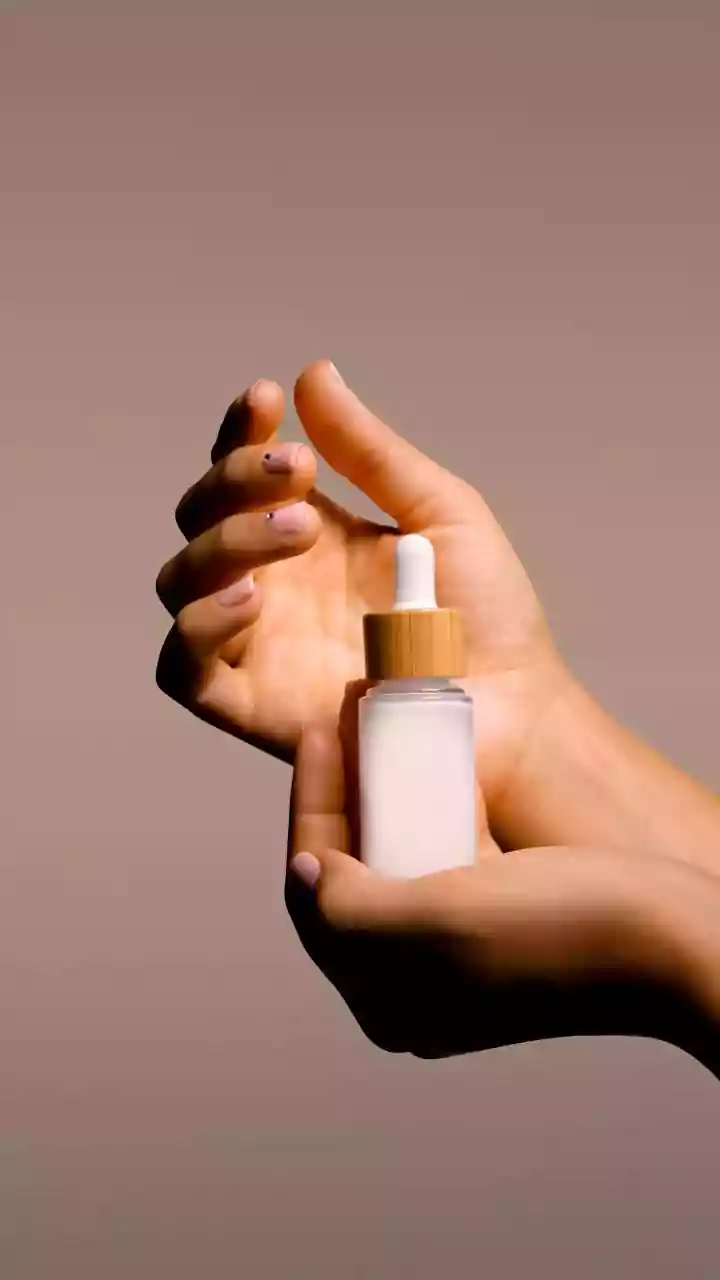
Many people are tempted to skip moisturiser when their skin feels oily or sticky, but this is a common mistake. Even oily skin needs hydration. In fact, dehydrated skin can overcompensate by producing more oil. The solution is to trade your heavy creams for lightweight, non-comedogenic (pore-clogging) formulas. Gel-based or water-based moisturisers containing humectants like hyaluronic acid are excellent choices. They pull moisture into the skin, providing essential hydration that feels weightless and comfortable even in the most humid conditions.
Never, Ever Skip Sunscreen
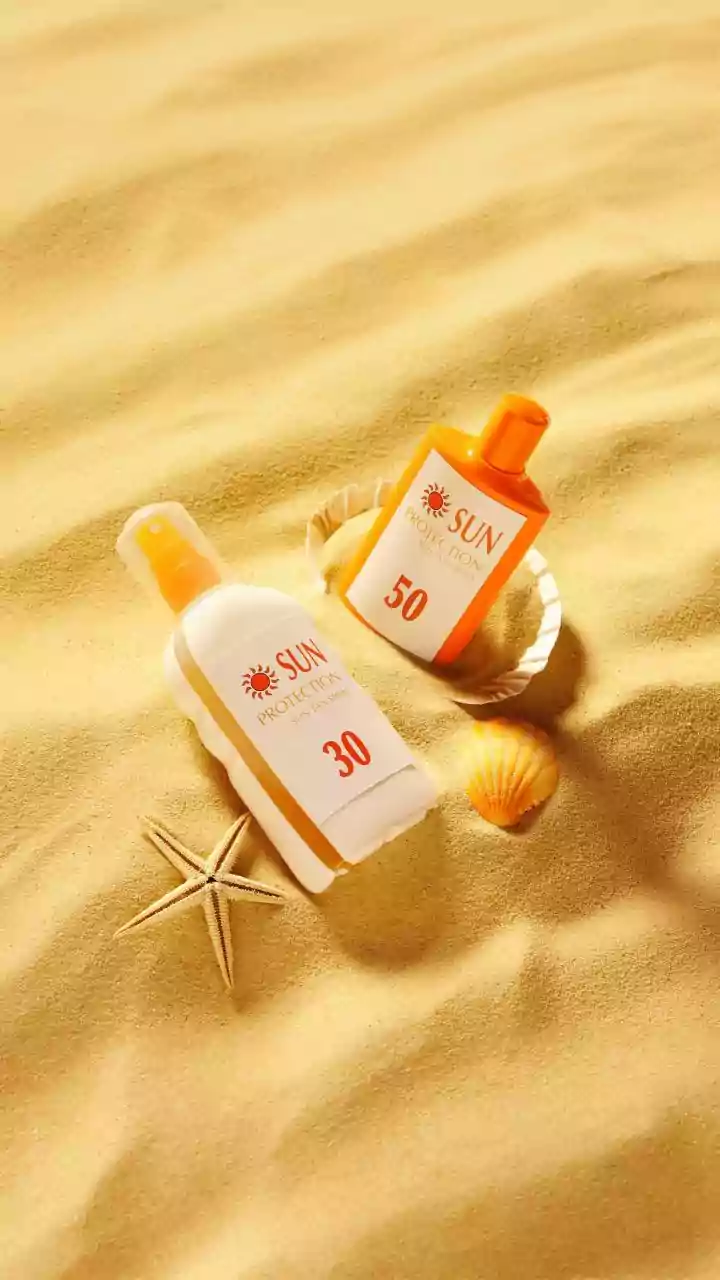
This is the most common and critical error in monsoon skincare. Cloudy skies do not block harmful ultraviolet (UV) rays. Up to 80% of the sun's UVA and UVB radiation can penetrate cloud cover, leading to tanning, premature ageing, and long-term skin damage. Because humidity can make you sweat more, it's also important to choose the right formula. Opt for a broad-spectrum sunscreen with an SPF of 30 or higher in a lightweight, non-greasy, or gel-based formula that won't feel heavy on the skin. Reapplication is also key, especially after sweating.
Keep Fungal Infections at Bay
The monsoon creates the perfect breeding ground for fungus: warm, damp, and humid. Fungal infections are one of the most common skin complaints during this season, often appearing as itchy, red, ring-shaped patches in areas where moisture gets trapped, like the underarms, groin, and between the toes. Prevention is simple but crucial. Keep your skin as dry as possible, especially after bathing. Wear loose, breathable cotton clothing and change out of damp or sweaty garments promptly. Using an anti-fungal powder in prone areas can also be a helpful preventive measure.