

Getting Your Balcony Ready
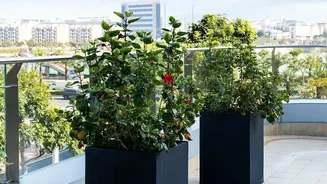
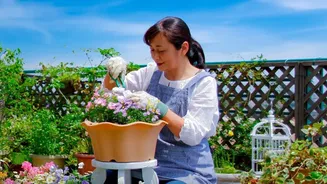
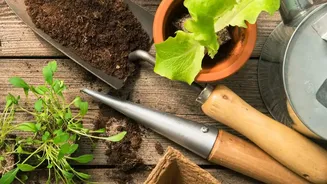
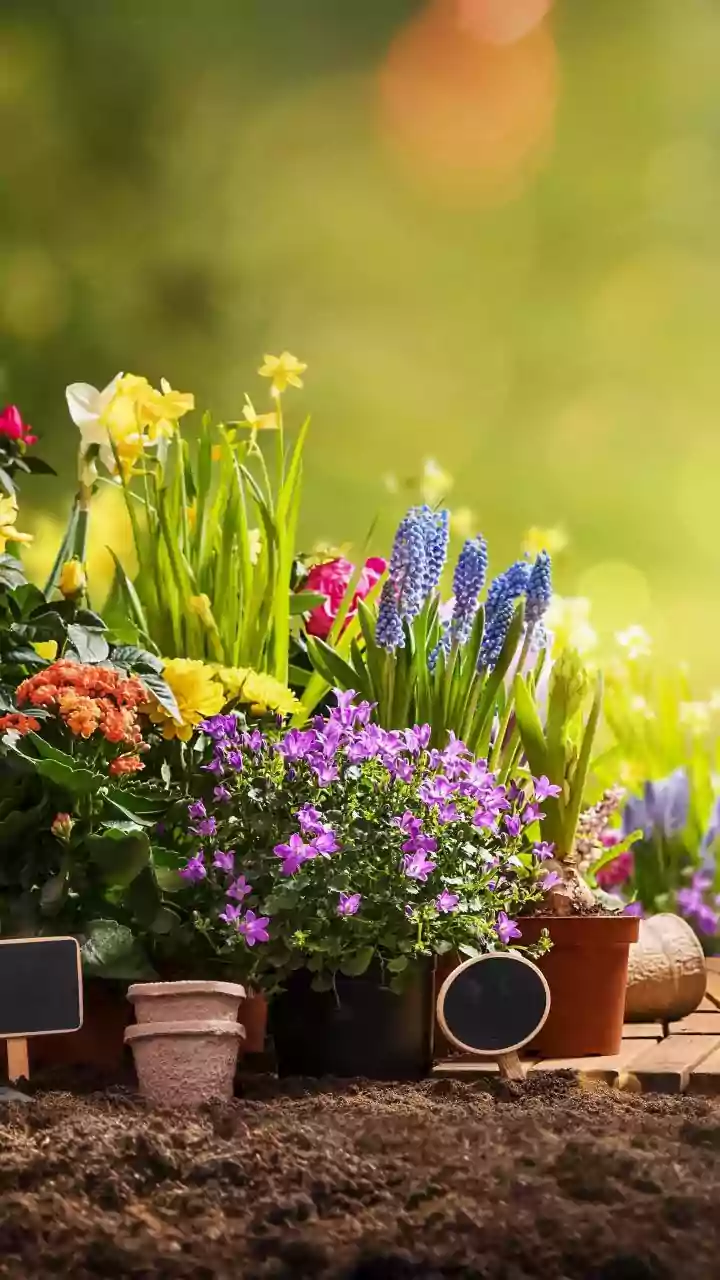
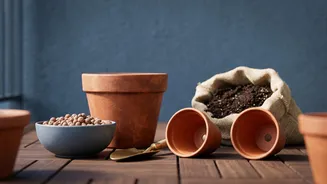
Before you start planting, a little preparation goes a long way. Clean your balcony, ensuring it's free of clutter. Check for adequate sunlight, as most flowering and fruiting plants need at least 4-6 hours of direct sun. Gather your supplies: pots of various
sizes with drainage holes, a good quality potting mix (a blend of soil, cocopeat, and compost works wonders), a small watering can, and a trowel. For apartment dwellers, choosing lightweight plastic or fibre pots over heavy terracotta can be a practical decision, especially if your balcony has weight restrictions. Utilising vertical space with hanging planters or wall-mounted shelves can also maximise your growing area.
The Best Flowers to Plant
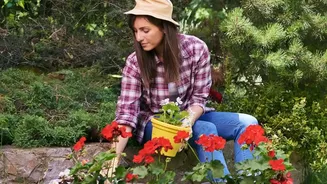
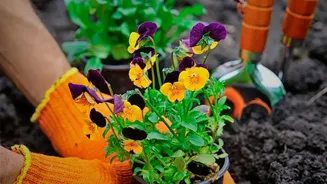
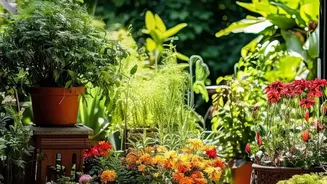
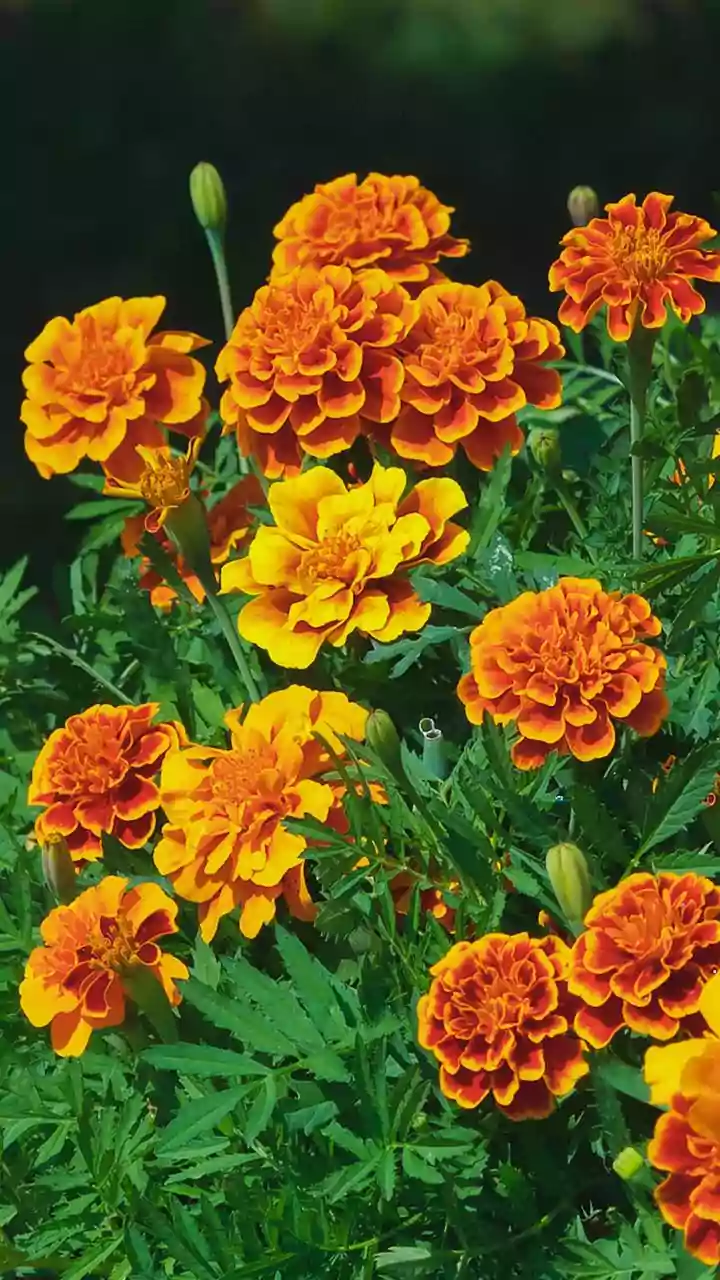
October is an ideal month to sow winter flower seeds. Marigolds (Genda) are a classic choice, thriving in the mild sun and adding a burst of orange and yellow; they are also known to be natural pest repellents. Petunias, with their trumpet-shaped blooms, are perfect for hanging baskets and come in a dazzling array of colours. For something a bit more delicate, consider planting Chrysanthemums (Guldaudi); they are synonymous with the season and do well in pots, blooming beautifully in the winter months. Dianthus and Calendula are other great options that will fill your balcony with colour and fragrance as they bloom through winter.
Edible Greens and Vegetables
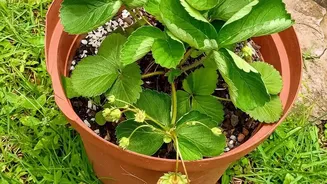
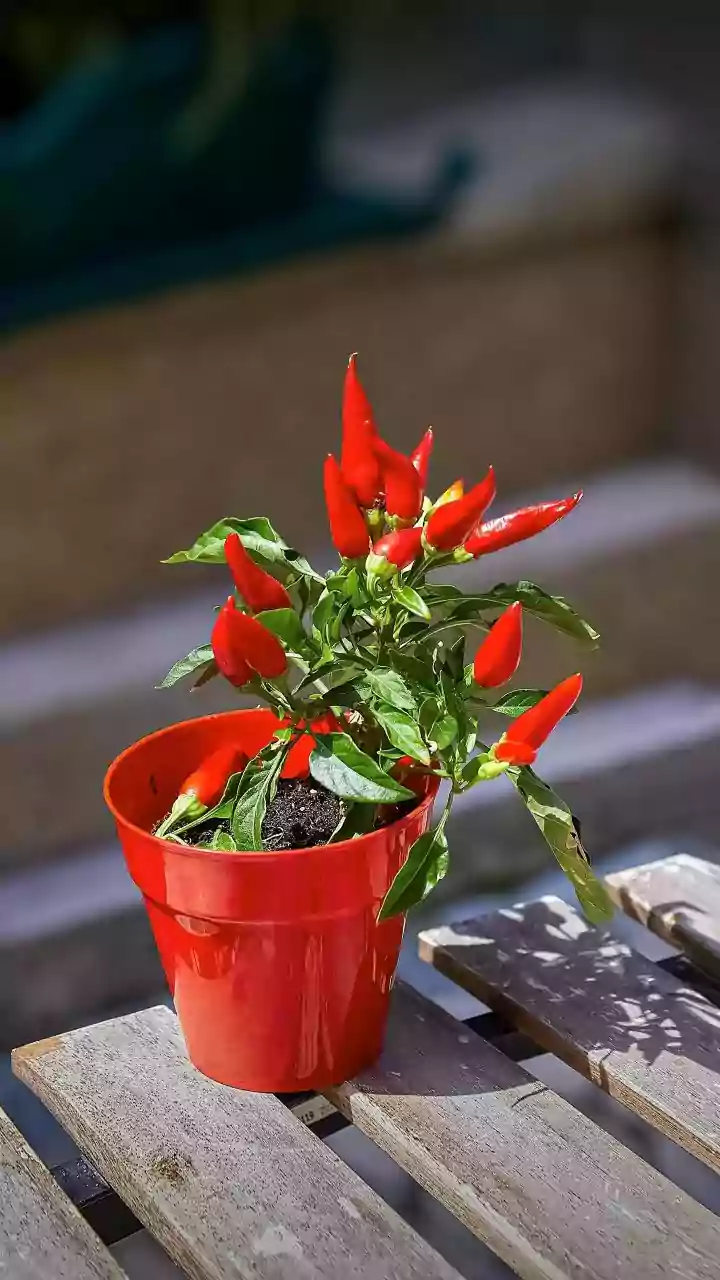
Imagine snipping fresh vegetables right from your balcony. October is the prime time to start a small vegetable patch as temperatures become more comfortable. Leafy greens like spinach (palak) and fenugreek (methi) grow quickly in containers and don't require very deep pots. Coriander (dhania) is an essential herb in any Indian kitchen and is incredibly easy to grow in small pots. If you have slightly larger containers and good sunlight, you can try growing tomatoes, chillies, and brinjal. Starting them from saplings from a local nursery can give you a head start. Radishes are another fast-growing root vegetable that can be ready to harvest in just over a month.
Aromatic and Useful Herbs
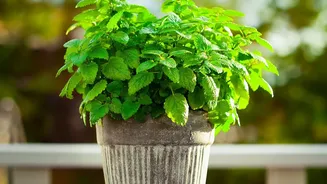
An herb garden not only provides fresh flavours for your cooking but also fills the air with delightful scents. Besides the staples like mint (pudina) and coriander, consider growing Holy Basil (Tulsi), which is revered for its medicinal properties and is easy to maintain in a pot. Lemongrass is another excellent choice; its citrusy aroma is refreshing, and the leaves can be used to make a fragrant tea. If you enjoy continental cuisine, rosemary and oregano can also be grown, provided they get plenty of sun and well-draining soil. These herbs are generally low-maintenance and perfect for beginner gardeners.
Essential Care and Maintenance
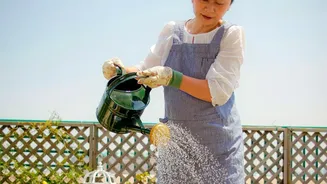
Once your garden is planted, consistent care is key. Check the soil moisture daily by touching the top inch. Water only when it feels dry; overwatering is a common mistake that can lead to root rot. Since nutrients in pots are limited, it's important to feed your plants. Use a balanced liquid fertiliser or organic compost every 15-20 days. Keep an eye out for common pests like aphids and mealybugs. A simple spray of neem oil solution is an effective organic remedy. Also, periodically rotate your pots to ensure all sides of the plants get adequate sunlight for even growth.