




The Creeping Threat of Erosion
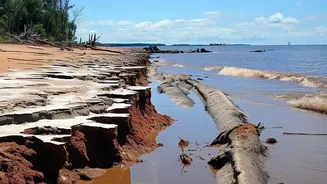
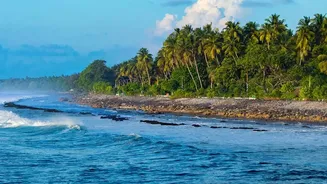
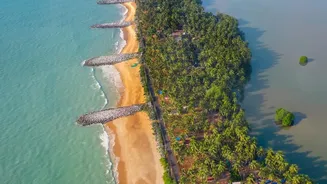
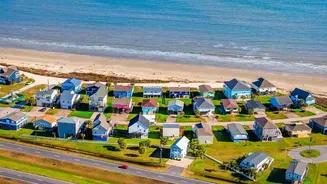
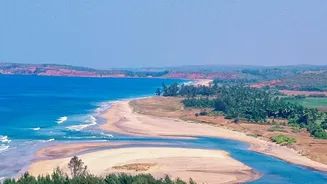
For the millions living along India's eastern coast, the sea is both a source of livelihood and a persistent danger. Climate change has intensified this relationship. Stronger cyclones, storm surges, and a gradual rise in sea levels are eating away at the shoreline,
threatening homes, agricultural land, and vital infrastructure. Traditional engineering solutions like concrete seawalls are expensive, require constant maintenance, and can sometimes cause unintended environmental damage. Facing this relentless loss of land, communities in states like Odisha, Andhra Pradesh, and Tamil Nadu have realised that sometimes the best defence is not built, but grown.
Nature’s First Line of Defence
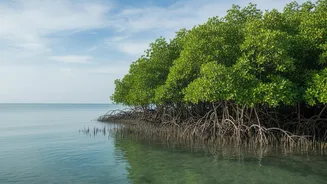
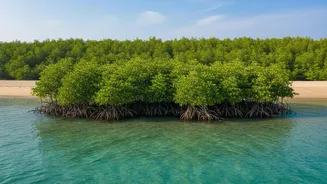
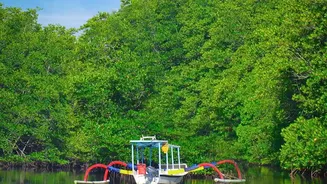
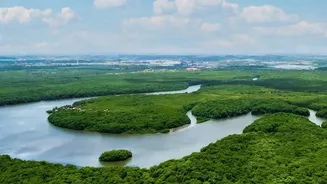
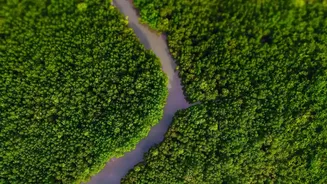
Enter the mangrove, a unique group of salt-tolerant trees that thrive in the intertidal zone where land meets sea. These remarkable plants form dense, tangled forests that act as a living 'bio-shield'. Unlike a static wall, a mangrove forest is a dynamic system that works with nature to protect the coast. Their incredible resilience and unique biology make them one of the most effective and sustainable tools for coastal defence, a fact tragically highlighted after the 2004 Indian Ocean Tsunami, when areas buffered by healthy mangroves suffered significantly less damage.
How a Mangrove Bio-Shield Works
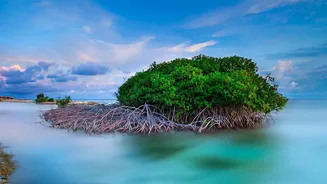
The secret to the mangrove's protective power lies beneath the surface. Their complex and dense root systems act like a net, gripping the soil and preventing it from being washed away. When storm surges and high-energy waves roll in, they are forced to navigate this intricate underwater maze. The roots, trunks, and branches absorb and dissipate the wave's energy, dramatically slowing the water down and reducing its destructive force. Studies have shown that just 100 metres of mangrove forest can reduce wave height by up to 66%. This process also allows suspended sediment to settle out of the water, gradually building up the shoreline and helping it keep pace with rising seas.
Communities at the Forefront of Restoration
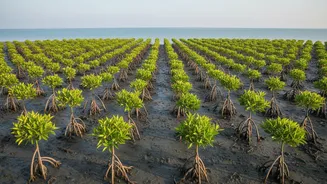
The success of these bio-shields is not just an ecological story; it's a human one. Across the eastern coast, community-led initiatives are driving the restoration efforts. In Odisha, organisations and local groups have mobilised villagers, particularly women, to establish nurseries, plant saplings, and monitor the new forests. For example, a project in the Kendrapara and Basantpur districts saw 10 Village Mangrove Councils, led by women, plant 48,000 saplings, revitalising degraded land and boosting the local economy. These efforts, part of a larger national push like the MISHTI scheme, recognise that local ownership is key. When communities who depend on the coast for their livelihoods are empowered to protect it, the chances of long-term success increase dramatically.
More Than Just a Shield
The benefits of mangrove restoration extend far beyond erosion control. These ecosystems are biodiversity hotspots, acting as critical nursery grounds for countless species of fish, crabs, and shrimp. This directly supports the local fishing industry, providing a sustainable source of income and food security for coastal populations. Furthermore, mangroves are champions of carbon sequestration, capturing and storing vast amounts of carbon in their biomass and the soil below, making them a crucial tool in the fight against climate change. They also act as natural filters, improving water quality by trapping pollutants and excess nutrients.
Challenges on the Path to a Greener Coast
While the promise of mangrove bio-shields is immense, the path to restoration is not without its hurdles. Success is not just about planting saplings; it's about creating the right ecological conditions for them to thrive. Projects can fail if the wrong species are chosen for a particular site's salinity and elevation, or if crucial tidal water flow is blocked. Ensuring high survival rates requires careful scientific planning, consistent monitoring, and sustained community involvement long after the initial planting is done. Overcoming these challenges is critical to turning plantation drives into truly resilient coastal forests.