


The notion of data centers floating in space sounds like science fiction, but it's a concept quickly moving toward reality. While promising to ease Earth's energy burden, these orbital platforms are raising alarms for astronomers.
What Are Orbital Data Centres?
An orbital data center
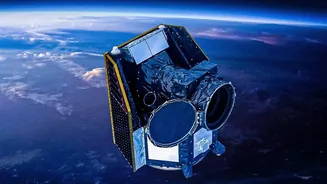
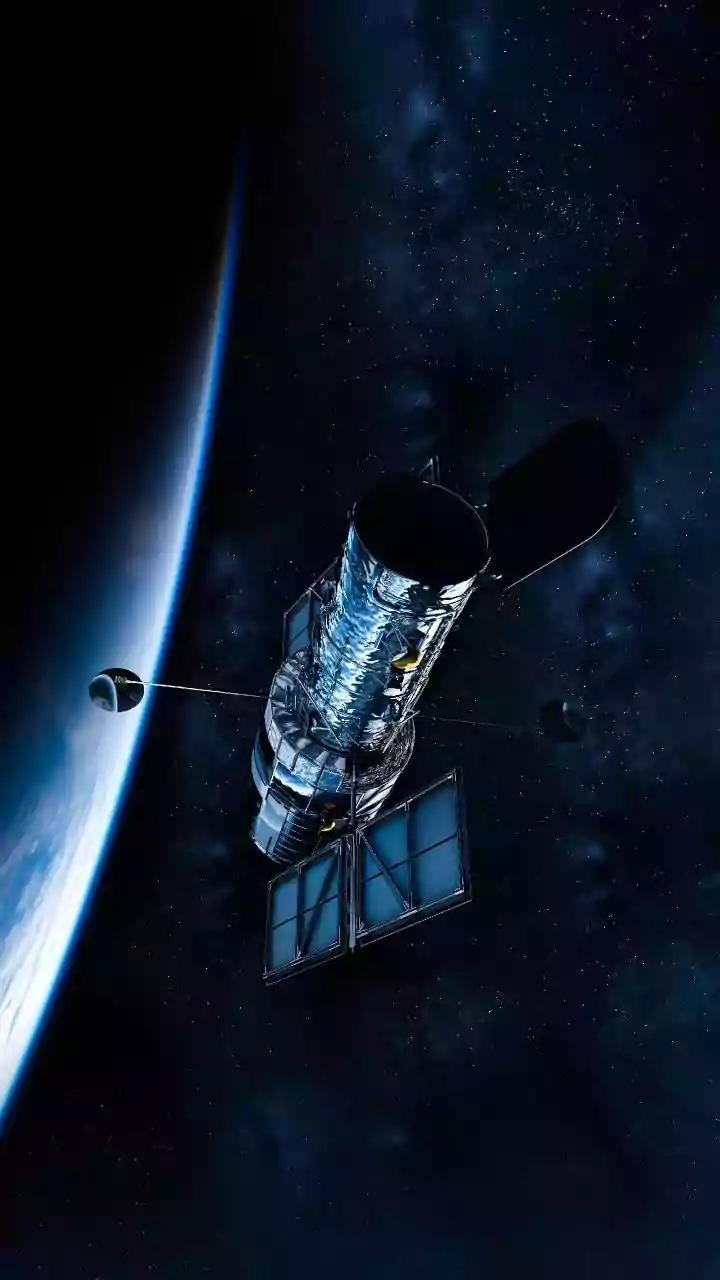
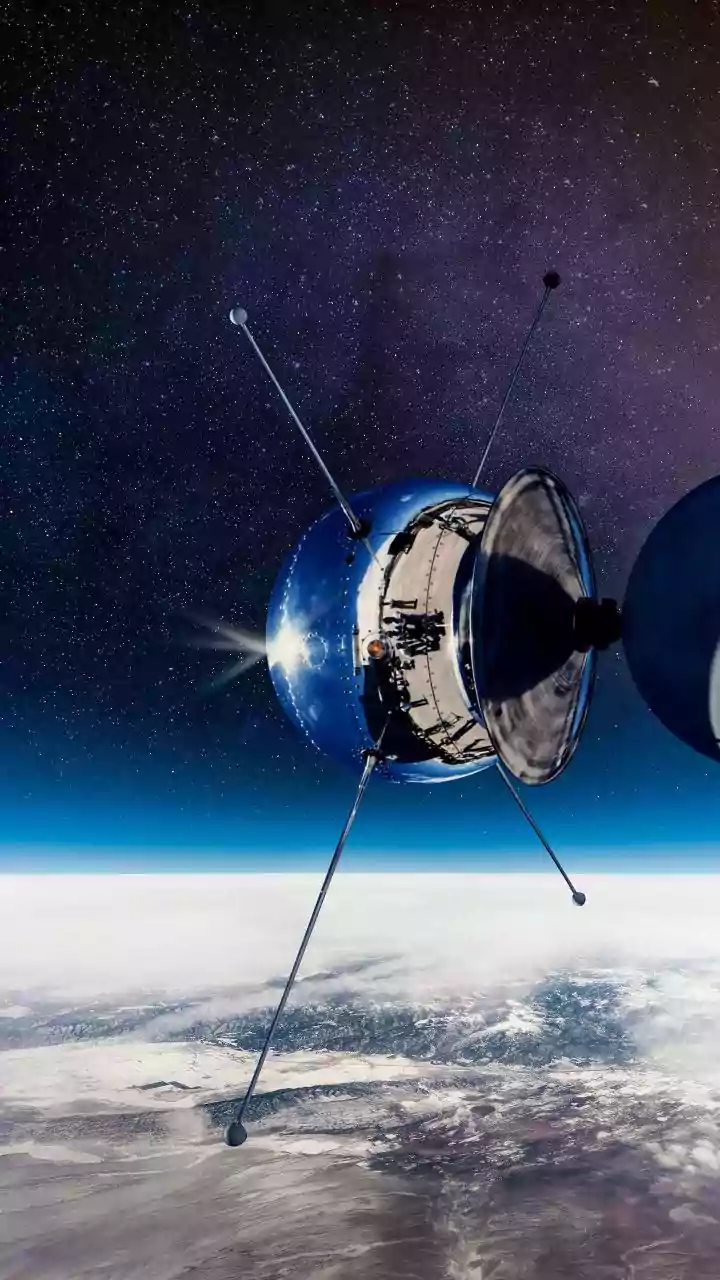
is essentially a satellite, or a constellation of them, equipped with servers and processing hardware to store and analyze data in space. Instead of building massive, power-hungry facilities on land, companies are exploring placing this infrastructure in low-Earth orbit (LEO). These orbital hubs would process data collected by other satellites—like those used for Earth observation—or perform intensive computing tasks for clients on the ground. Companies like OrbitsEdge, and consortiums led by firms like Thales Alenia Space, are actively developing plans. The idea is to create a 'cloud above the clouds', moving data processing closer to where much of the data originates and taking advantage of the space environment.
The Business Case for Orbit
The push for space-based data centers is driven by significant terrestrial challenges. Data centers on Earth consume vast amounts of electricity for processing and cooling, along with significant water and land resources. By moving to orbit, companies hope to tap into near-continuous solar power, eliminating the need for backup batteries and reliance on strained terrestrial grids. The vacuum of space also offers a natural, cold environment that helps with thermal management, although radiating heat remains a key engineering challenge. Furthermore, processing data in orbit can reduce the massive bandwidth required to send raw information back to Earth, speeding up analysis and decision-making. As the demand for artificial intelligence and large-scale computing grows, some see orbit as the only place to sustainably scale.
A New Threat to the Night Sky
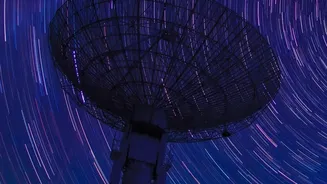
While innovative, the proposal has created significant concern within the astronomical community. The primary issue is light pollution. Satellites in LEO reflect sunlight, and as they travel across the sky, they create bright streaks in long-exposure images captured by telescopes. This interference can ruin scientific observations, obscuring faint, distant objects and potentially invalidating entire datasets. Astronomers are already struggling with the impact of existing 'mega-constellations' like SpaceX's Starlink. The addition of potentially hundreds of thousands or even a million new data center satellites would drastically increase the number of moving objects in the sky, fundamentally altering the view from the ground.
An Escalation of an Existing Problem
The conflict between satellite expansion and astronomy is not new. Since the first large-scale deployment of Starlink satellites in 2019, astronomers have been working with operators to find solutions. These efforts have led to some progress, such as applying less reflective materials to satellites and adjusting their orientation to minimize brightness. Organizations like the International Astronomical Union's Centre for the Protection of the Dark and Quiet Sky (IAU CPS) were formed to bridge the gap between industry and science. However, the sheer scale of the new data center proposals threatens to undo this progress. A proposal from SpaceX to launch up to one million satellites, for example, would increase the number of active satellites by a factor of nearly 70, making avoidance and mitigation far more difficult.
The Search for a Sustainable Solution
The challenge lies in balancing technological and commercial progress with the preservation of scientific discovery and our cultural heritage of a clear night sky. Astronomers and industry partners are exploring mitigation strategies. These include deploying satellites in lower orbits (under 600 km) so they are in Earth's shadow for more of the night, continuing to develop darker, less reflective satellite designs, and creating software that can predict satellite paths and mask their streaks from images. However, many experts believe that without binding international regulations and a concerted effort to limit the total number and brightness of satellites, the impact on both ground-based optical and radio astronomy will be severe. The IAU and other groups are advocating for this issue to be addressed by bodies like the UN Committee for the Peaceful Uses of Outer Space, pushing for responsible and sustainable practices before the sky becomes irrevocably crowded.