




What is the Proposed Overhaul?
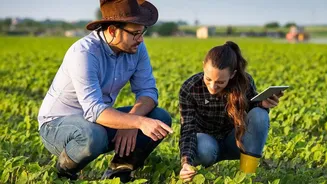
The Indian government, with Niti Aayog at the helm, is spearheading a national initiative to dramatically strengthen the country's food safety rules. The goal is to create a comprehensive system that monitors food products from their agricultural source
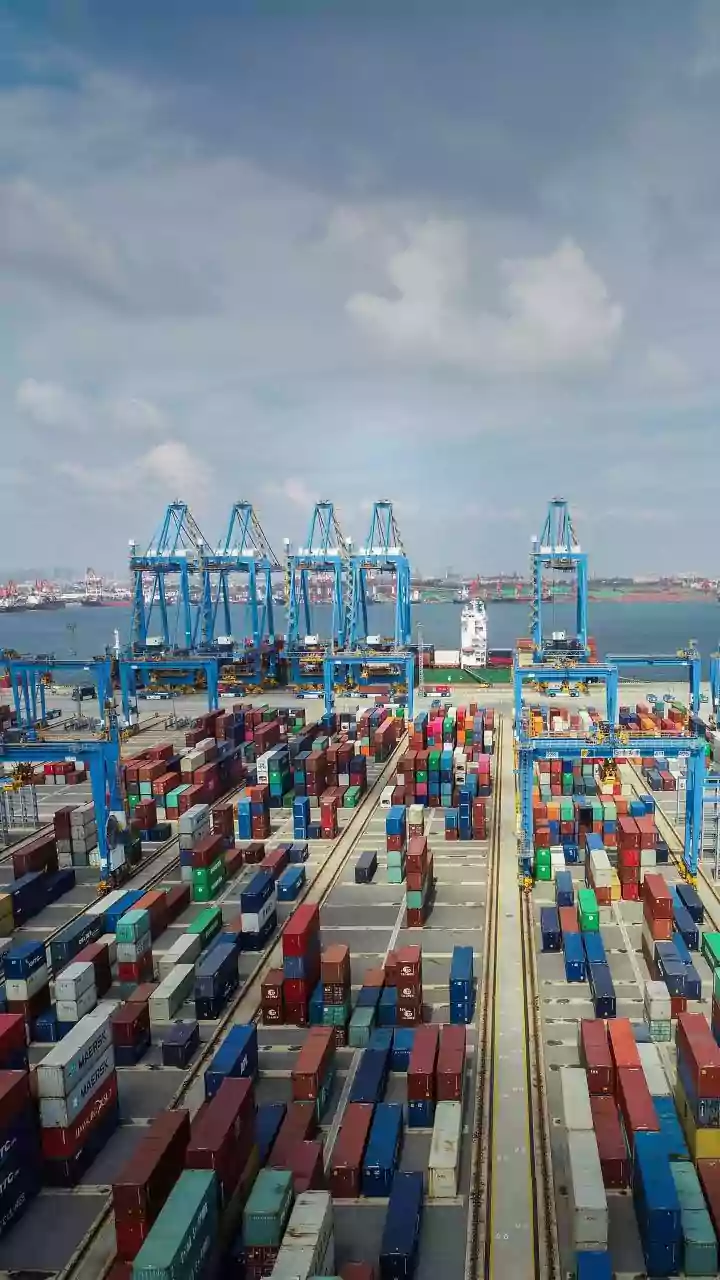
all the way to retail shelves. Recent high-level meetings have focused on adopting global best practices for food safety surveillance, improving enforcement, and increasing coordination between agencies. The proposals include not just farm-to-fork tracking, but also a significant expansion of accredited food-testing laboratories and the deployment of mobile testing units for real-time checks at markets. This move is driven by a need to reduce food-borne illnesses, which affect millions annually, and to curb contamination and adulteration across the supply chain.
Decoding 'Farm-to-Fork' Tracking
Farm-to-fork traceability is the process of tracking and documenting every stage of a food product's journey. In practice, this often involves technologies like QR codes on packaging, which consumers can scan with their smartphones. This simple scan could reveal a wealth of information: the farm of origin, batch numbers, processing details, and shipping information. Technologies like blockchain are also being used to create a tamper-proof digital record of a product's journey, ensuring that the information is authentic and transparent. This system turns a simple food label into a dynamic, verifiable record, shifting trust from a mere marketing claim to hard evidence. The aim is to make the entire supply chain visible and accountable.
Why This Matters for Your Health
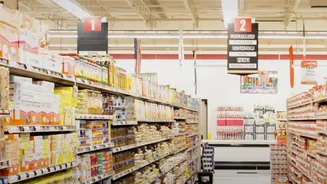
The primary driver for this overhaul is public health. With an estimated 22% of food in India being adulterated, the risk of foodborne illness is a serious concern. A traceability system offers a powerful solution. In the event of a contamination issue, authorities can swiftly identify the source of the problem and recall the affected batch of products, minimizing public health risks. For consumers, this means greater confidence in the safety and quality of their food. You could verify the authenticity of a product, check its expiration date, and access its entire history before making a purchase, transforming the way you shop for groceries.
The Impact on Farmers and Industry
For the food industry, these changes bring both opportunities and challenges. A robust traceability system can enhance a company's brand reputation, build consumer trust, and open up access to international markets with strict import standards. However, implementation comes with significant hurdles. The costs of adopting new technologies can be high, especially for the small and medium enterprises that make up a large part of India's food sector. India's fragmented agricultural system, with its many small farms, makes tracking from the source particularly complex. There are also concerns about infrastructure gaps, such as limited internet connectivity in rural areas, and the need for widespread training to ensure everyone in the supply chain can use these new digital tools effectively.
The Road Ahead
This proposed overhaul is still in its planning stages. Niti Aayog is leading discussions with various stakeholders to formulate policy interventions. The Food Safety and Standards Authority of India (FSSAI) has already been taking steps to enhance traceability through various regulations, including mandatory record-keeping for manufacturers and new rules for e-commerce platforms. One innovative proposal being considered is linking a food business's access to credit with its food safety compliance score, creating a strong financial incentive to follow the rules. While the journey to a fully traceable food system is long, these discussions signal a clear intent to modernize India's food safety ecosystem for a healthier future.