

The Building Blocks of Life
Proteins are fundamental macronutrients essential for nearly every process in the body, from repairing muscle tissue to supporting immune function. Think of proteins as complex structures built from smaller units called amino acids. There are 20 different
amino acids that form proteins, but nine of them are special. These are the essential amino acids (EAAs): histidine, isoleucine, leucine, lysine, methionine, phenylalanine, threonine, tryptophan, and valine. Our bodies cannot produce these nine on their own, so we must get them from the food we eat. A food source that contains all nine of these essential amino acids in sufficient quantities is known as a 'complete protein'.
How We Measure Protein Quality
Not all protein sources are created equal in terms of how well our bodies can use them. This is where protein quality scores come in. Scientists use systems like the Protein Digestibility-Corrected Amino Acid Score (PDCAAS) and the more modern Digestible Indispensable Amino Acid Score (DIAAS) to measure a protein's value. These scores assess two main things: the food's amino acid profile and its digestibility. In simple terms, they tell us how much of the protein we eat is actually absorbed and available for our body to use. Animal proteins like meat, eggs, and dairy typically score very high, often considered complete. Many plant-based foods, however, might be low in one or more essential amino acids, which is why understanding how to combine them is so important.
The Plant-Based Protein Puzzle
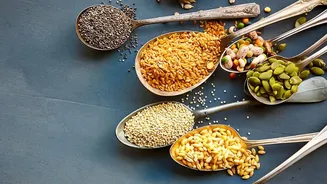
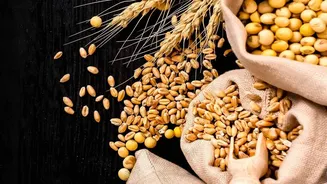
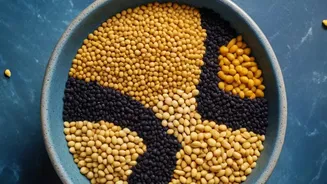
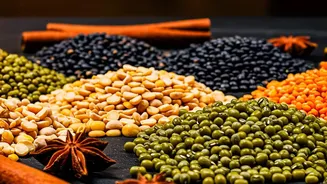
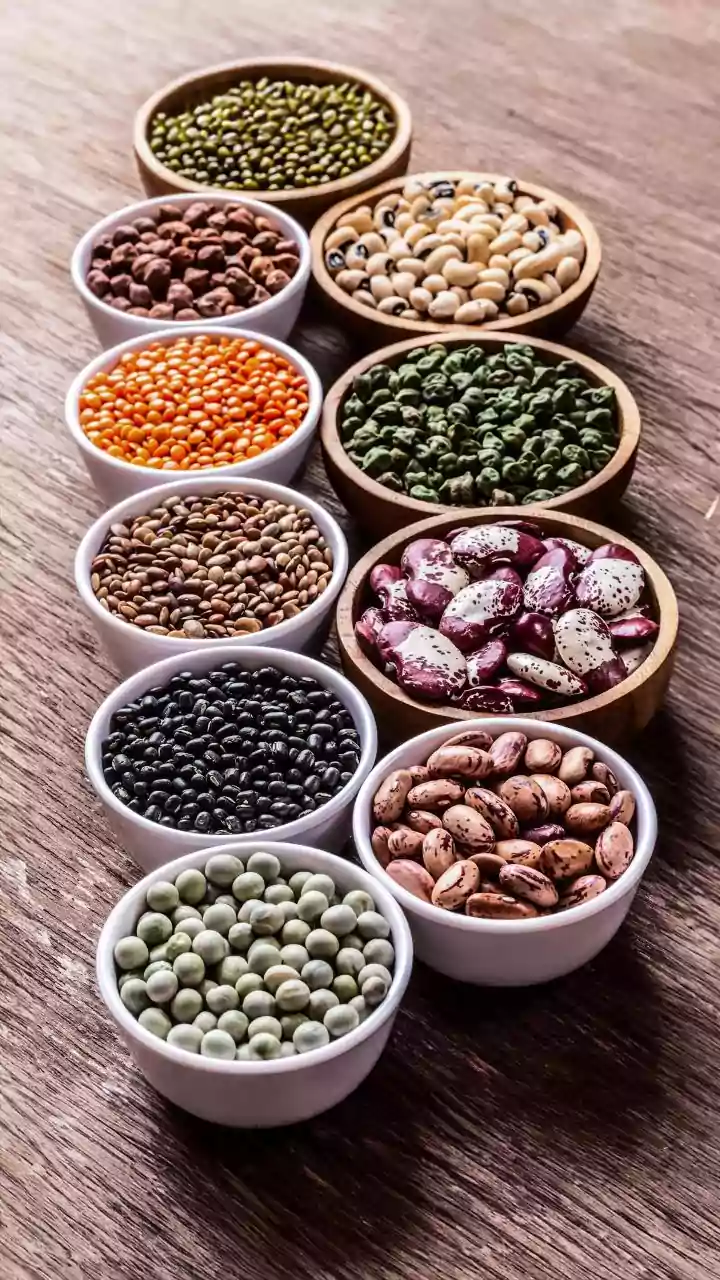
This brings us to the concept of 'incomplete proteins'. Most individual plant foods have a 'limiting amino acid', which is an essential amino acid present in a very low quantity. For instance, cereal grains like rice and wheat are generally low in the essential amino acid lysine. On the other hand, legumes—a food group that includes lentils (dal), chickpeas (chana), and beans (rajma)—are typically low in the amino acid methionine but are rich in lysine. So, while each food group on its own doesn't offer a complete amino acid profile, they are missing different pieces of the puzzle. This complementary nature is the key to building a complete protein profile from plants.
Better Together: The Synergy of Complementation
The magic happens when you combine these two food groups. By eating cereal grains and legumes together, their amino acid profiles complement each other, providing all nine essential amino acids in one go. When the lysine-rich dal is paired with methionine-rich rice, the combination creates a high-quality, complete protein that is highly usable by the body. This concept, known as protein complementation, is the foundation of many traditional cuisines around the world. The good news is that you don't necessarily need to eat them in the exact same meal. Your body maintains a pool of amino acids, so as long as you consume a variety of grains and legumes throughout the day, you'll provide your body with all the building blocks it needs.
Putting It All Into Practice
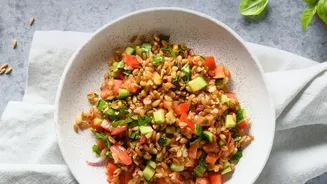
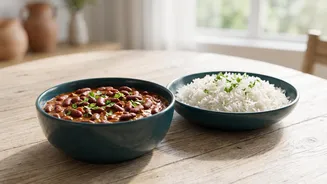
For many in India, this practice is already second nature. The classic combination of dal-chawal (lentils and rice) is a perfect example of protein complementation. So is rajma-chawal (kidney beans and rice) or roti (a wheat-based flatbread) served with any dal or chana masala (chickpea curry). Even breakfast foods like idli and dosa, made from a fermented batter of rice and urad dal, are designed to be a source of complete protein. Other examples include hummus (made from chickpeas) with pita bread (made from wheat) or a simple peanut butter sandwich on whole-wheat bread. These time-tested meal pairings are not just comforting and delicious; they are scientifically sound ways to ensure excellent nutrition.