





The Science of Sticky Air
The feeling of being hot and sticky is more than just discomfort; it's a matter of science. Our bodies naturally cool themselves down by sweating. As sweat evaporates from our skin, it takes heat with it, providing a cooling sensation. However, when the air
in a room is already saturated with water vapour—in other words, when it's humid—this evaporation process slows down dramatically. The sweat has nowhere to go, leaving it to linger on your skin and making you feel warmer than the actual air temperature. This phenomenon is often measured by the 'heat index', which combines air temperature with relative humidity to give a 'feels like' temperature. High humidity can make a room feel several degrees hotter, turning a pleasant space into an uncomfortable one.
Identifying the Moisture Sources
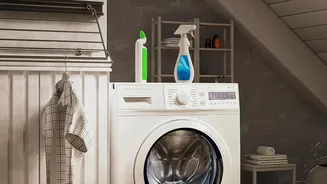
To tackle the problem, you first need to know where the excess moisture is coming from. Many of our daily activities contribute to indoor humidity. Cooking, especially boiling water or simmering food, releases a great deal of steam into the air. Likewise, long, hot showers can turn a bathroom and adjacent rooms into a temporary steam room. Even our own bodies add to the moisture load through breathing and perspiration. Other common sources include drying laundry on an indoor rack, a large collection of houseplants, and, more seriously, hidden plumbing leaks or moisture seeping in from outside through cracks in walls or foundations. In a well-sealed, modern home, this moisture can become trapped, steadily increasing the humidity level.
Ventilation Is Your First Defence
The simplest and most effective way to combat trapped moisture is to get the air moving. Stagnant air holds onto humidity, so creating airflow is crucial. Start by opening windows on opposite sides of your home to create a cross-breeze, which pushes the damp air out and pulls fresher, drier air in. Make it a habit to use exhaust fans in your kitchen while cooking and in your bathroom during and after a shower. These fans are specifically designed to pull moist air directly outside. If you don't have exhaust fans, even a simple table or ceiling fan can help circulate the air within a room, aiding the natural dispersion of moisture and preventing it from settling in one area.
Natural and Low-Cost Dehumidifying Tricks
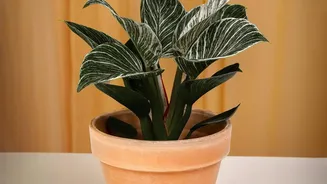
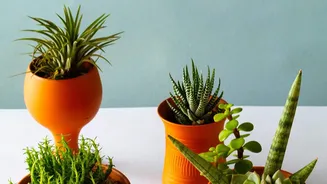
Beyond ventilation, several natural and affordable methods can help absorb excess moisture from the air. Placing bowls of rock salt or baking soda in damp corners, closets, or wardrobes can work wonders in smaller spaces. These substances are natural desiccants, meaning they attract and absorb water from the atmosphere. Charcoal is another excellent option; a few briquettes in a container can help reduce both humidity and odours. Be mindful of your houseplants as well. While lovely, they release moisture through transpiration. Ensure they are not overwatered and consider covering the exposed soil with a layer of pebbles to reduce evaporation.
Lifestyle Adjustments for a Drier Home
Small changes to your daily routine can have a big impact on your home's humidity levels. Whenever possible, dry your clothes outdoors instead of on an indoor rack, which releases a significant amount of water into the air as the clothes dry. When showering, try to opt for slightly shorter and cooler showers to reduce the amount of steam produced. If you notice condensation on your windows—a clear sign of high indoor humidity—it's a definite cue to increase ventilation. Keeping indoor humidity between the recommended 30% and 50% range is not only better for comfort but also helps prevent the growth of mould, mildew, and dust mites, which thrive in damp conditions.