





Which States Are on High Alert?
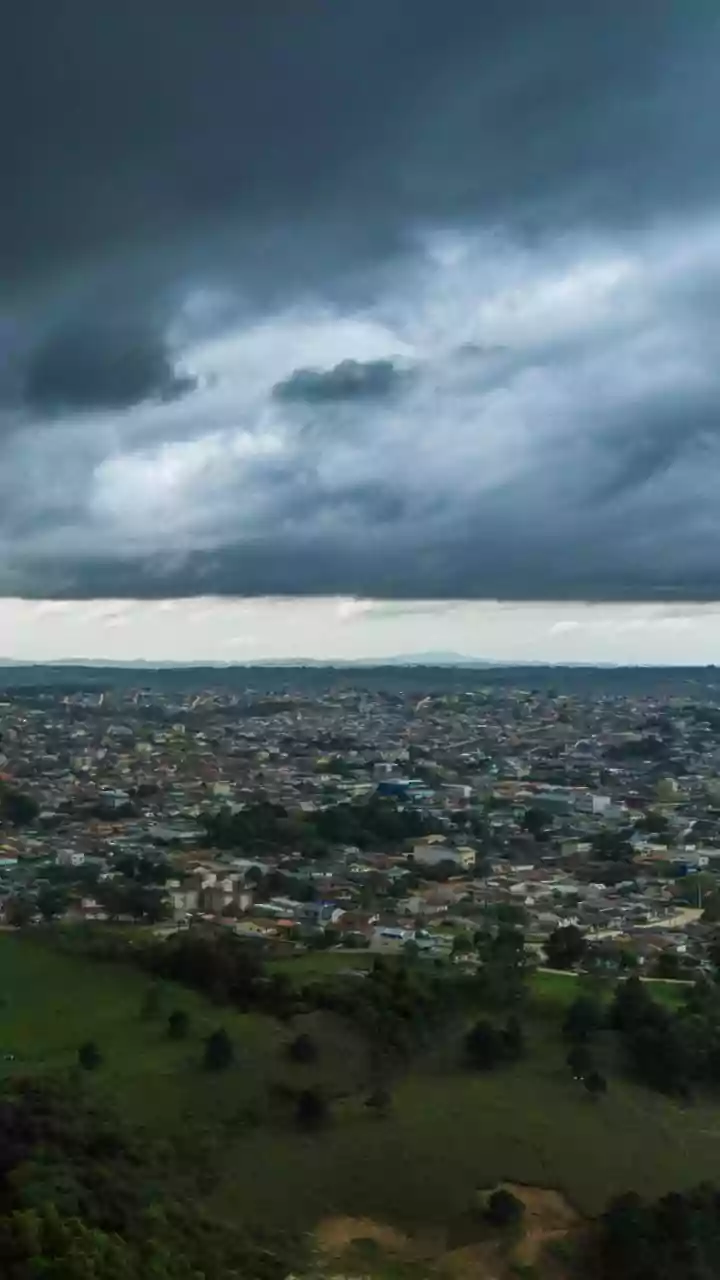
The IMD has sounded alarms for a mix of western, southern, and northeastern states, indicating the wide reach of this monsoon surge. The primary states under significant watch as of July 8 include Maharashtra (especially the Konkan coast and Madhya Maharashtra),
Goa, Gujarat, and Coastal Karnataka.. These regions are bracing for heavy to very heavy rainfall. Additionally, alerts extend to parts of Kerala and Assam, which are also experiencing intense spells of rain.. Red and orange alerts have been issued across different districts within these states, signaling the need for high vigilance and preparedness for severe weather conditions.
More Than Just Rain: What to Expect
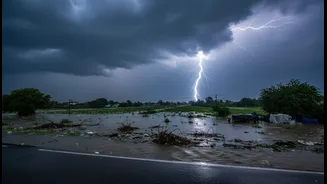
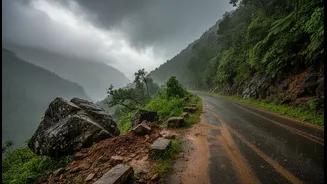
This is not your average rainy day. The IMD's forecast warns of isolated 'extremely heavy' rainfall in some areas, which means over 204.4 mm of rain in a 24-hour period.. Such intense downpours significantly raise the risk of flash floods and waterlogging in low-lying urban areas.. In hilly regions, particularly in the Western Ghats (affecting Maharashtra, Goa, Karnataka) and the Northeast, there is a heightened risk of landslides.. Authorities have also warned of strong, gusty winds accompanying the rain, which can damage weak structures and disrupt services.. Fishermen have been strictly advised not to venture into the sea due to rough conditions.
The Science Behind the Surge
So, what’s causing this nationwide downpour? Meteorologists point to a combination of potent weather systems working in tandem. A well-marked low-pressure area, which recently moved inland, is a key driver, pulling immense moisture from the Arabian Sea.. This system is further energised by an active monsoon trough—an elongated low-pressure zone that is the backbone of the monsoon season.. When this trough is active and positioned favorably, it creates a pipeline for moisture-laden winds to dump heavy rain over large swathes of the country. This synergy of systems is what has led to the widespread and intense rainfall currently being witnessed.
Your Monsoon Safety Checklist
Staying safe during this period is paramount. Officials have issued several advisories for the public. First and foremost, avoid non-essential travel, especially in areas under a red or orange alert.. If you must travel, check for traffic updates and road blockages before you leave. Never walk or drive through waterlogged streets; stagnant water can hide open manholes and is a breeding ground for diseases.. At home, ensure loose objects outside, like garden furniture or advertising hoardings, are secured. Keep an emergency kit ready with essentials like a torch, first-aid supplies, dry food, and clean drinking water.. Charge your electronic devices and power banks in case of power cuts.
Stay Updated, Stay Safe
The weather situation is dynamic, with forecasts being updated frequently. For the most reliable and real-time information, it is crucial to follow official sources. The IMD's official website (mausam.imd.gov.in) and its social media handles provide the latest warnings and district-specific advisories.. Many state disaster management authorities also disseminate alerts through SMS and social media. Tuning into local news channels can provide on-the-ground information about your specific area.. Being informed is the first step to staying safe, allowing you to take proactive measures rather than reacting to a crisis.