


From Ornamental to Ecosystem
For years, the ambition of many a city dweller was a balcony that looked good. It was about aesthetics: a splash of colour, a touch of green to soften the concrete jungle. But a significant shift is underway. Urban gardeners, particularly in India, are
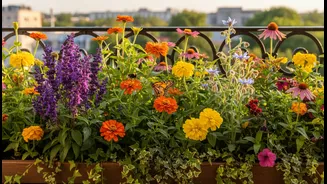
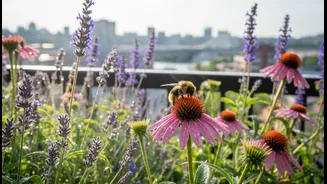
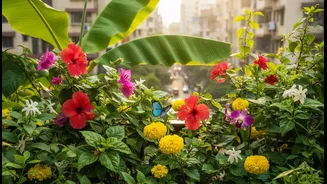
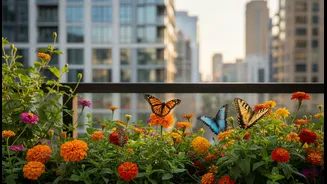
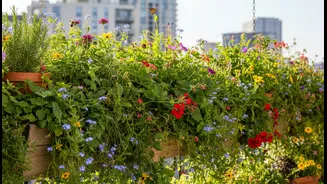
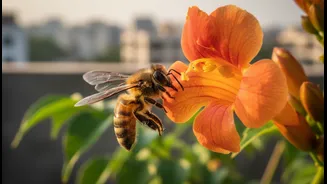
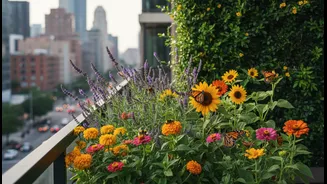
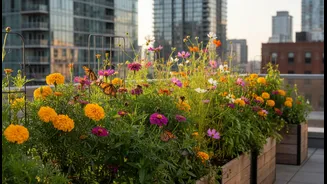
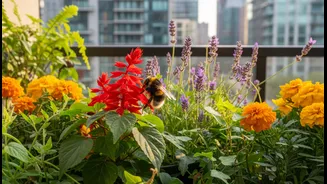
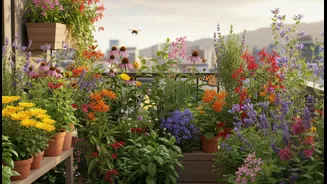
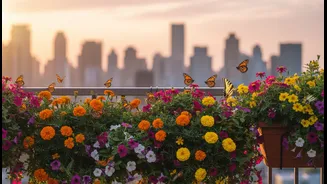
now thinking beyond just visual appeal. They are transforming their small spaces into 'pollinator balconies'—vibrant, functional ecosystems designed to support butterflies, bees, and other beneficial insects. This new approach, sometimes called 'rewilding', focuses on creating miniature habitats that help sustain local wildlife struggling with habitat loss in expanding cities. It’s a move from a passive appreciation of nature to actively participating in its survival, one pot at a time. The goal is no longer just a pretty view, but a living, buzzing, and thriving one.
Why We're All Becoming Nature Helpers
This trend isn't happening in a vacuum. It’s driven by a growing awareness of environmental challenges, from climate change to the alarming decline in pollinator populations worldwide. In India's rapidly growing cities, the loss of green spaces has made the role of private gardens and balconies even more critical. Many people who took up gardening during the pandemic as a way to de-stress and connect with nature are now looking for ways to make their new hobby more meaningful. There's an increasing understanding that even a small collection of pots can act as a vital 'stepping stone' in a larger 'green corridor', allowing wildlife to move through and survive in the urban landscape. It turns a personal pastime into a collective, community-building effort that benefits the entire local ecosystem.
Creating Your Pollinator Paradise
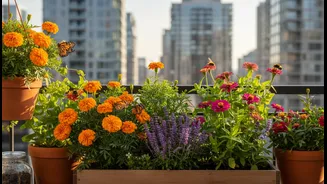
So, how do you turn your balcony from a simple garden into a nature-helper hub? The key is choosing the right plants and creating a welcoming environment. Start by prioritising native plants, which are adapted to the local climate and are the preferred food source for local insects and birds. In an Indian context, this means plants like Tulsi (Holy Basil), Marigolds, Butterfly Pea, and Lavender are excellent choices. Marigolds provide a splash of bright colour that attracts bees and butterflies, while Tulsi's flowers are a nectar-rich favourite. Grouping plants in clusters makes them more attractive to pollinators, and ensuring you have flowers that bloom in different seasons provides a year-round food source. Remember to avoid chemical pesticides, which can be harmful to the very creatures you're trying to attract.
More Than Just Plants
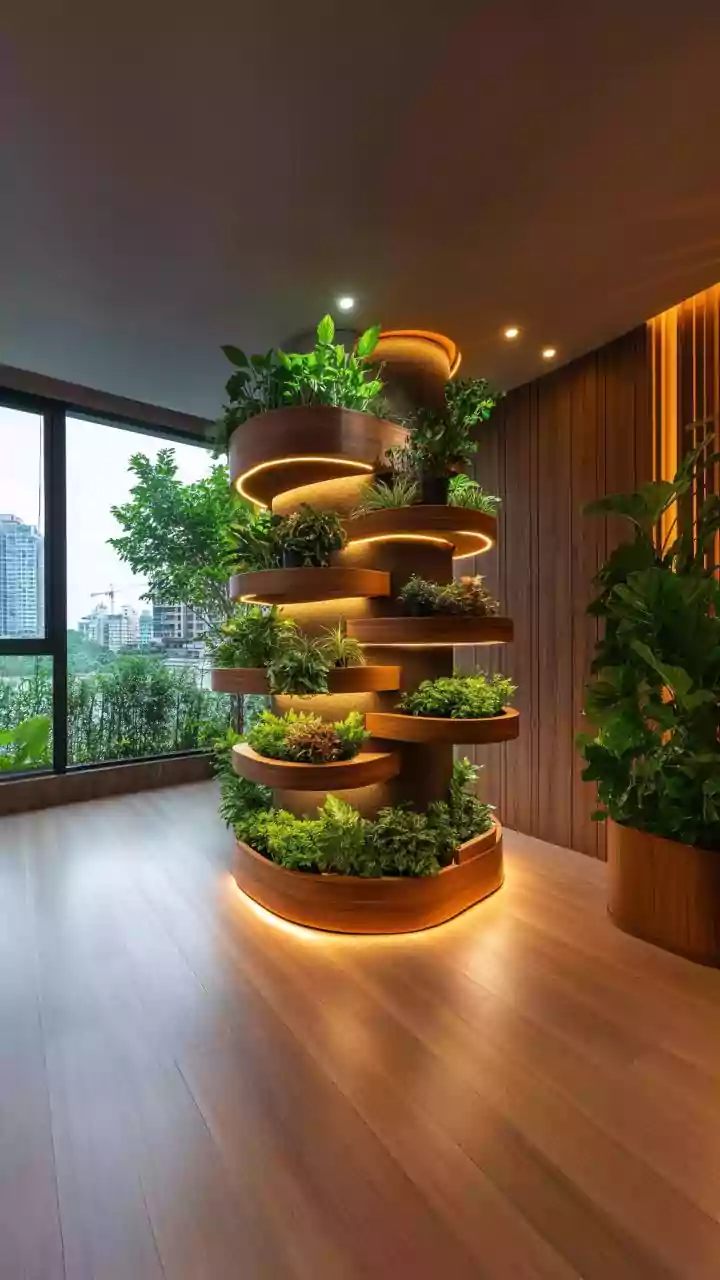
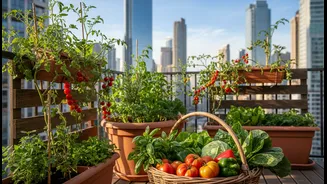
A true nature-helper balcony thinks beyond the flowers. Providing a source of water is crucial. A simple, shallow dish of water with pebbles or marbles placed in it creates a safe drinking and bathing spot for bees and birds, preventing them from drowning. You can also provide shelter. Leaving some pots with bare soil can help ground-nesting bees, while small stacks of twigs or even a purchased 'bee hotel' can provide refuge. Using vertical space is another great strategy for small balconies. Trellises for climbers like the Butterfly Pea or railing and hanging planters can dramatically increase your growing area, allowing you to support a greater diversity of life.
The Reward Is a Wilder Life
The benefits of this ecological approach to gardening are twofold. Firstly, you are making a tangible contribution to local biodiversity. Studies have shown that a network of urban gardens significantly boosts species richness and provides critical resources for wildlife. But the rewards are also deeply personal. The act of nurturing a mini-ecosystem reduces stress and enhances well-being. It re-establishes a connection to the natural world and its cycles, something often lost in city living. Observing the daily drama of a butterfly laying eggs on a host plant or a bee diligently collecting pollen brings a unique sense of joy and purpose. Your balcony ceases to be just an add-on to your apartment; it becomes a window into a wilder, more interconnected world that you helped create.