







Why Humidity Is the Unseen Enemy
During the monsoon, indoor humidity levels can easily surpass 70-80%. This damp, warm environment is the perfect breeding ground for biological contaminants. The most common culprits are mould and mildew, which appear as fuzzy black or green patches on walls,
furniture, and even clothes. Alongside them, microscopic dust mites thrive in damp bedding, carpets, and upholstery. We often keep windows shut for long periods to prevent rain from entering, but this drastically reduces ventilation, trapping these allergens inside and allowing them to multiply.
The Health Risks of Damp Indoor Air
Poor indoor air quality driven by humidity can directly impact your health. Breathing in mould spores and dust mite waste can trigger or worsen allergies, asthma, and other respiratory conditions. Common symptoms include persistent sneezing, coughing, a runny nose, skin rashes, and itchy eyes. Beyond allergies, the stuffy, poorly ventilated air can lead to a rise in carbon dioxide levels, causing fatigue, headaches, and a general feeling of being unwell. In humid conditions, the air also encourages a higher release of Volatile Organic Compounds (VOCs) from paint, new furniture, and cleaning products, adding another layer of chemical pollutants to the air you breathe.
Mastering Monsoon Ventilation
Controlling moisture starts with smart ventilation. Even during heavy rain, it’s crucial to circulate air. Use exhaust fans in kitchens while cooking and in bathrooms after a shower to expel moist air immediately. Whenever there's a break in the rain, open windows on opposite sides of the house to create cross-ventilation, which pushes stale, damp air out. If you have an air conditioner, running it can also help, as ACs naturally pull some moisture from the air as they cool it. Regularly cleaning AC filters is essential to ensure they function efficiently.
Actively Dehumidify Your Space
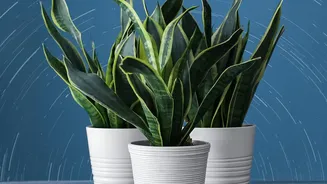
For homes in extremely humid regions, a dehumidifier is a highly effective tool for maintaining indoor humidity within the ideal 30-50% range. However, there are also effective, low-cost DIY methods. Placing bowls of rock salt or charcoal briquettes in damp corners, cupboards, and wardrobes can help absorb excess moisture. Small silica gel packets, often found in new shoe boxes or packaging, can be saved and used in drawers and closets. Some houseplants, like peace lilies and spider plants, are also known for absorbing moisture from the air.
A Strategy of Cleanliness and Care
Preventing mould and dust mites requires consistent cleaning. Wipe down any condensation you see on windows and walls. Wash bedsheets, pillow covers, and curtains regularly in hot water to kill dust mites. Ensure clothes and towels are completely dry before storing them. It’s also wise to pull large furniture, like beds and cupboards, a few inches away from the walls. This small gap allows air to circulate, preventing the hidden, stagnant moisture buildup that allows mould to grow unseen.