



What is the New Proposal?
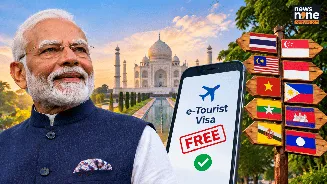
During the 23rd ASEAN-India Summit in Manila on November 17, 2026, Prime Minister Narendra Modi proposed waiving the government fee for tourist e-visas for citizens of all 11 member states of the Association of Southeast Asian Nations (ASEAN). This includes
major travel markets like Thailand, Singapore, Malaysia, Indonesia, and Vietnam. The initiative is part of India's broader 'Act East' policy and aims to strengthen diplomatic ties, encourage more tourist arrivals, and simplify the travel process for hundreds of millions of people in the region. It is important to note this is a fee waiver, not a complete visa-free travel arrangement; eligible tourists will still need to apply for an e-visa online before their trip.
Who Is Currently Eligible?
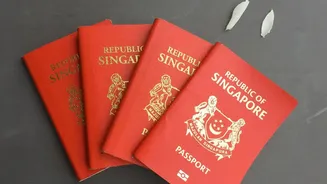
The latest proposal aims to harmonize and expand an existing policy. Currently, India already offers a free 30-day tourist e-visa to citizens of five ASEAN countries: Indonesia, Malaysia, Myanmar, the Philippines, and Thailand. For nationals of Malaysia and Thailand, this waiver only applies to the 30-day e-visa, with fees still applicable for the one-year and five-year options. The new plan would extend this fee waiver to the remaining ASEAN members: Brunei, Cambodia, Laos, Singapore, Timor-Leste, and Vietnam. The government has not yet specified if the waiver will apply only to the 30-day visa or be extended to longer-duration tourist visas as well. No official implementation date has been announced.
How the E-Visa System Works
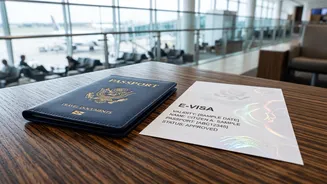
India's e-visa system is designed to be a straightforward online process, eliminating the need to visit an embassy or consulate. Applicants must use the official government portal, 'indianvisaonline.gov.in', to fill out the application form. The process requires a scanned copy of the bio page of a valid passport (with at least six months of validity and two blank pages) and a recent passport-style digital photograph against a white background. Applications can be submitted between 4 and 120 days before the planned arrival date. Once the application is submitted and approved, an Electronic Travel Authorisation (ETA) is sent to the applicant's email, which must be printed and presented at immigration upon arrival in India.
A Broader Push for Simplified Travel
This visa fee waiver is part of a larger overhaul of India's visa and immigration system to make the country more accessible. On November 11, 2026, the Ministry of Home Affairs announced a major rationalisation of visa categories, reducing them from 13 to nine and renaming the 'Tourist Visa' to a more encompassing 'Visitor Visa'. This new Visitor Visa category includes sub-options for short-term stays (V-1) and longer visits (V-2). Furthermore, the government is working to simplify the application forms themselves, with plans to reduce the number of required fields by as much as 65-70% to make the process faster and more user-friendly.
What This Means for Travellers
For tourists from Thailand, Singapore, Malaysia, and neighbouring countries, this move signifies a more welcoming and cost-effective travel experience. The waiver of the visa fee, which typically ranges from $10 to $25 for a 30-day e-visa, removes a financial barrier, however small. The simplified online process, combined with expanded entry points at major airports and seaports, offers greater flexibility in planning itineraries. This initiative not only makes it easier to visit for tourism, sightseeing, and meeting relatives but also aligns with the new 'Visitor Visa' framework that covers short-duration wellness retreats and courses in Indian arts and culture. As India continues to streamline its entry procedures, travellers from Southeast Asia can look forward to a more seamless journey to explore the country's diverse offerings.