


Sourcing and Cracking Your Shell
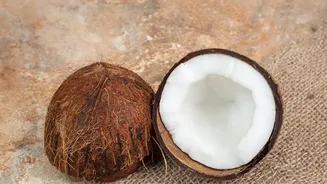
The first step is getting your hands on a coconut. You can use shells from mature, brown coconuts found at most grocery stores. The hardest part of this entire project is often just opening the coconut cleanly. One common method involves locating the three
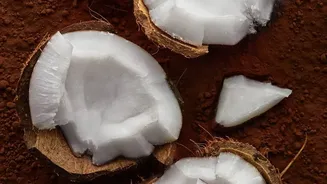
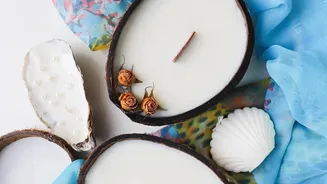
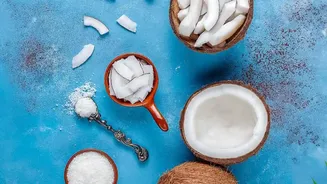
'eyes' at one end. Puncture the softest eye with a screwdriver or a sharp tool to drain the coconut water. Afterwards, you can use a saw for a precise, even cut, or carefully tap along the circumference with a hammer to split it. While some methods involve smashing the coconut, this can result in shattered pieces unsuitable for a planter. Once open, the next task is to thoroughly scrape out all the white coconut meat. A sturdy spoon or knife works well for this task.
Cleaning and Preparing for Planting
Once the meat is removed, the shell needs a bit of preparation to become a viable home for a plant. Start by giving it a thorough rinse and allowing it to dry completely. For a smoother, more finished look, you can sand the rough fibres on the outside and inside of the shell. The most critical step is to add drainage. Without drainage holes, water will pool at the bottom, leading to root rot. Use a drill with a small bit to create several holes in the base of the shell. If you don't have a drill, you can carefully create holes by heating a metal skewer or large nail and pressing it through the bottom of the shell. If you plan to hang your planter, now is also the time to drill two or three evenly spaced holes around the rim to thread twine or rope through.
Choosing the Right Soil and Plants
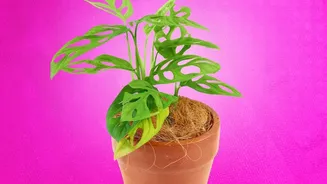
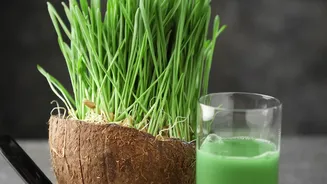
Coconut shells are relatively small, so they are best suited for plants that don't require a lot of root space. Succulents and cacti are excellent choices because they are compact and thrive in well-draining soil, which is easy to achieve in a shell planter. Small herbs like mint, chives, and oregano also grow well and can provide fresh garnishes for your kitchen. Other great options include trailing plants like pothos or spider plants, which will cascade beautifully over the sides, especially in a hanging planter. When it comes to soil, a standard potting mix is often too dense. For succulents and cacti, use a special cactus mix or amend regular soil with sand or perlite to improve drainage. For other plants, a mix of potting soil and coco peat (made from coconut husk) can create an ideal growing medium that retains moisture while allowing for good aeration.
The Sustainable Advantage
Using coconut shells as planters is more than just a charming DIY project; it's a practice in sustainability. Unlike plastic pots that can persist in the environment for centuries, coconut shells are fully biodegradable. Over time, the shell will slowly decompose, releasing organic matter into the soil. This process can enrich the soil and means you can eventually plant the entire shell directly into a larger pot or garden bed, which minimises transplant shock for the plant. This approach reduces plastic waste and puts a natural resource to excellent use, aligning with eco-friendly gardening principles. Even crushed shells can be used in the garden as a natural mulch to help retain soil moisture and suppress weeds.