


The Spirit of Sowa-Rigpa
At the heart of Ladakhi wellness is Sowa-Rigpa, the 'Science of Healing', an ancient medical system with roots in Tibetan Buddhism and Ayurveda. Recognized by the Government of India, this practice is built on balancing three principal energies or 'humors'
in the body: wind, bile, and phlegm. The concept of 'plant energy' in this context refers to the belief that plants, like people, possess a unique energetic profile based on the five elements of earth, water, fire, air, and space. Traditional healers, or Amchi, believe that capturing this essence is key to health, and the methods used to prepare herbs are designed to preserve this vitality.
Herbs from the Roof of the World
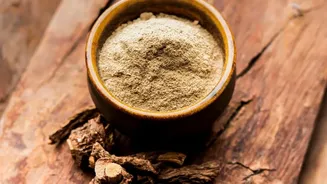
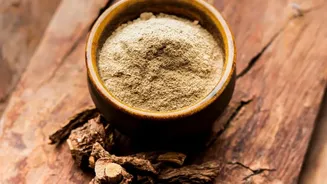
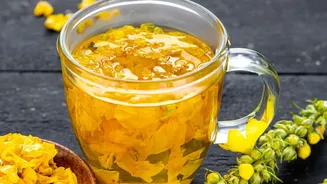
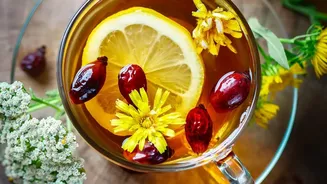
The arid, cold climate of Ladakh, with its intense sun and thin air, forces local flora to develop a high concentration of active compounds to survive. This results in plants that are potent with medicinal and nutritional value. Foragers and Amchi carefully gather species like Himalayan thyme, wild rhubarb, sea buckthorn, and the adaptogenic herb Rhodiola, often referred to as 'Sanjeevani' in some traditions. Each plant is chosen for its specific properties—some for calming the nerves, others for aiding digestion or boosting immunity. The knowledge of where and when to harvest these plants is a crucial part of the tradition, passed down through generations.
The Ritual of Sacred Smoke
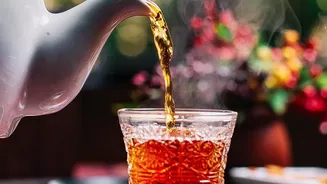
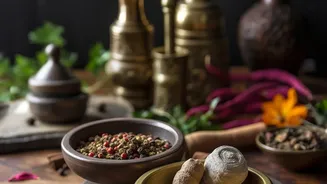
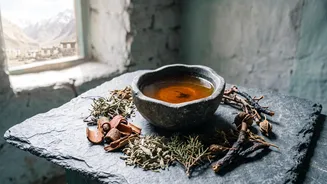
What truly sets these decoctions apart is the use of smoke. This is not about inhalation in the typical sense, but rather a preparatory step. The practice, known in broader South Asian traditions as 'Dhum Chikitsa' or smoke therapy, involves exposing dried herbs to the smoke of specific woods or other burning herbs. The belief is that the smoke acts as a purifying agent and a catalyst, 'awakening' the plant's dormant energy and making its beneficial properties more bioavailable. This process is a far cry from simply boiling leaves in water; it is a deliberate, ritualised act intended to enhance the potency of the final decoction. The smoke infuses the herbs with a subtle aroma and, according to practitioners, a more refined energetic quality.
A Pure, Dairy-Free Tradition
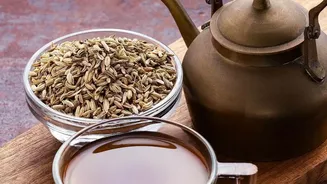
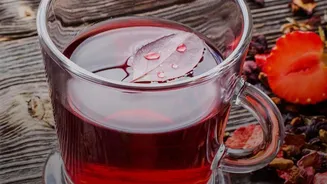
While many Himalayan regions are famous for their rich, dairy-based drinks like butter tea, these Ladakhi herbal preparations are distinct for being entirely water-based. The absence of milk, butter, or other dairy additives is intentional. Practitioners of Sowa-Rigpa believe that for certain healing purposes, a pure, unadulterated infusion is more effective. It allows the specific energies of the herbs to work without interference from the heavy qualities of fat and dairy. This makes the decoctions naturally vegan and suitable for those with lactose intolerance, aligning this ancient practice with modern dietary preferences. The focus remains solely on the direct transmission of the plant's essence to the body.
Modern Revival and Wellness
Today, there is a renewed interest in Ladakh's indigenous wellness practices. Boutique hotels and wellness retreats are now incorporating elements of Sowa-Rigpa, from consultations with Amchi doctors to guided herb-foraging treks. While you might not find smoked decoctions on every cafe menu, the principles behind them are gaining appreciation. Small-batch apothecary brands are emerging, creating formulations inspired by traditional knowledge. This revival helps preserve invaluable cultural heritage that is at risk of fading. By connecting ancient wisdom with modern well-being, these smoked herbal decoctions offer a timeless lesson in holistic health, rooted in the profound connection between people and their environment.