




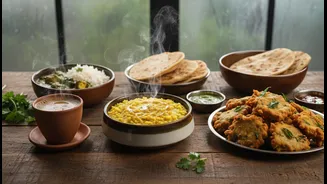



The Healing Porridge of the Monsoon
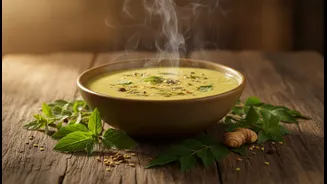
Karkidaka Kanji is a medicated rice gruel traditionally consumed during the Malayalam month of Karkidakam (mid-July to mid-August), a time of heavy rainfall in Kerala. Ayurveda views this period as a time when digestive strength and overall immunity are
at their lowest. The Kanji is designed to counteract this by supporting digestion, boosting immunity, and gently detoxifying the body. Also known as Oushadha Kanji (medicinal porridge), it’s a cornerstone of Karkidaka Chikitsa, the traditional monsoon wellness regimen. Its purpose is to prepare the body for the year ahead, providing nourishment when it's most vulnerable.
Ancient Ingredients, Timeless Benefits
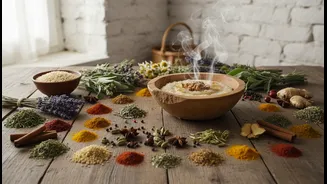
The magic of Karkidaka Kanji lies in its specific, synergistic ingredients. The base is typically Njavara rice, a unique, short-grain medicinal rice from Kerala prized in Ayurveda for being easy to digest while providing strength. This is slow-cooked with a blend of warming spices like dry ginger, cumin, and fenugreek, which help rekindle a sluggish digestive fire. The porridge is often finished with coconut milk, which adds nourishment and flavour. Beyond the kitchen staples, it includes a bouquet of medicinal herbs, sometimes sold in a pre-packaged mix called a 'kootu', featuring powerful ingredients like Dashamoola (a blend of ten roots) that support joint health and reduce inflammation. Every element is chosen for its specific therapeutic action during the damp monsoon season.
The Philosophy: Beyond a Single Recipe
While the traditional recipe is potent, the true inspiration for modern cooks lies in the philosophy behind Karkidaka Kanji. It’s not just about one specific dish but about a way of eating that is seasonal, intentional, and medicinal. The core principles include using easily digestible grains, incorporating warming spices to aid digestion, adding functional herbs for targeted benefits, and eating warm, cooked foods when the body is under stress. This approach is universal and can be adapted far beyond Kerala. It encourages us to see porridge not as a bland breakfast but as a versatile canvas for creating nutritious, healing meals tailored to our needs.
Modern Porridges Inspired by Ancient Wisdom
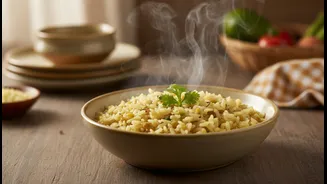
You don't need access to rare herbs to apply the Karkidaka Kanji philosophy to your own kitchen. Start by rethinking your basic porridge. Instead of just oats, explore other grains like millets, quinoa, or broken red rice. Infuse the cooking water with spices that aid digestion, such as ginger, turmeric, black pepper, and cinnamon. For a savoury, lunch-style porridge, add garlic, cumin, and a pinch of asafoetida, then top with sautéed vegetables and a spoonful of ghee. For a sweet breakfast version, stir in ashwagandha or shatavari powder along with stewed fruit and nuts. The idea is to layer flavours and functions, turning a simple bowl of grains into a powerhouse of nutrition, much like the original Oushadha Kanji.
Making Your Own 'Modern Kanji'
Creating your own version is about intuition and listening to your body. On a cold, damp day, a porridge with ginger and black pepper can be wonderfully warming. If you're feeling run down, a simple rice congee with turmeric and bone broth can be deeply restorative. Think of it as a global food concept; from Chinese Congee to Filipino Arroz Caldo and Japanese Okayu, cultures around the world have their own versions of healing porridges. You can even create an 'overnight' version by soaking grains and spices in water or milk, ready to be gently heated in the morning. The goal is to adapt the core principles—digestibility, warmth, and functional ingredients—to your own palate and pantry.