
As dusk settles over Vietnam’s central coast, a magical transformation begins. The glow of electric lights gives way to the soft, warm flicker of silk lanterns, their colours reflecting in the gentle currents where ancient rivers meet the sea.
Where History Washed Ashore
Many of
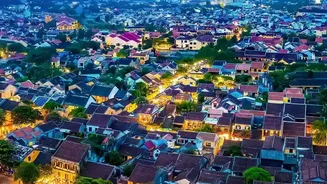
Vietnam’s most captivating coastal towns owe their existence to the water. From the 15th to the 19th centuries, places like Hoi An were bustling international trading ports. Their location on river estuaries provided sheltered harbours for merchant ships from Japan, China, Portugal, and the Netherlands. These vessels sailed inland to trade silk, spices, and ceramics, turning these towns into vibrant cultural melting pots. The architecture reflects this rich history, with Japanese-style bridges, ornate Chinese assembly halls, and mustard-yellow shophouses lining the narrow streets. This fusion of influences created a unique urban landscape that, in some places, has been remarkably preserved, offering a window into a bygone era of maritime trade.
Hoi An: A Symphony of Light
No town embodies this spirit more than Hoi An, a UNESCO World Heritage site nestled on the Thu Bon River. As night falls, its Ancient Town becomes a pedestrian-only zone, illuminated by thousands of colourful silk lanterns. This tradition was introduced by Chinese and Japanese merchants centuries ago, who believed lanterns brought good fortune and peace. Today, they are a symbol of Hoi An's identity. The town is especially enchanting during the monthly Full Moon Lantern Festival, when all electric lights are switched off, and the streets fill with traditional music and festivities. Visitors can release a small paper lantern onto the river, a local custom meant to carry wishes for happiness and honour ancestors.
The Lifeblood of the Estuary
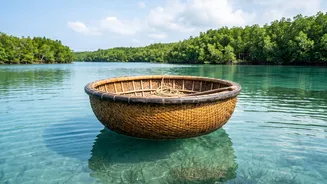
Beyond the iconic lanterns, the river estuaries themselves are the soul of these communities. The brackish water, where freshwater from the river mixes with the salty sea, creates a nutrient-rich ecosystem. This environment supports a vibrant way of life that has existed for generations. In the early mornings, local fishermen head out in traditional bamboo basket boats, and riverside markets bustle with activity. The waterways are a constant source of food and livelihood. Exploring these areas offers a glimpse into a more tranquil, authentic side of Vietnam, from the coconut palm groves of Cam Thanh village near Hoi An to the floating markets found in the larger deltas. Life here moves at a slower pace, dictated by the tides and the seasons.
Echoes Along the Coastline
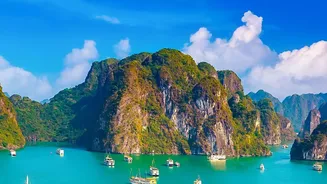
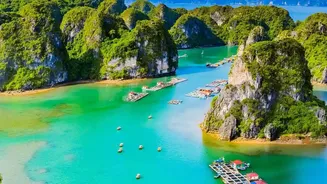
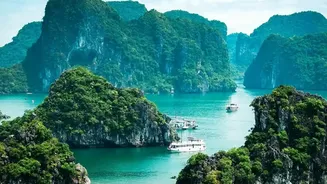
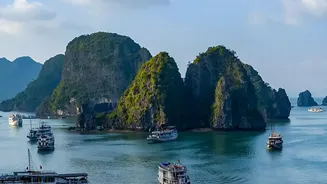
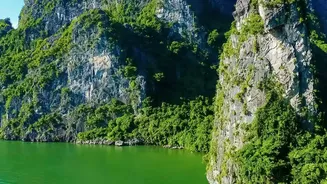
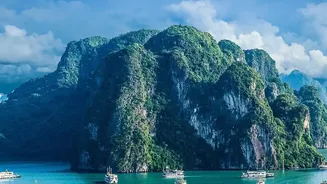
While Hoi An is the most celebrated example, its charm echoes in other coastal and riverside towns. Hue, the former imperial capital, sits on the Perfume River near the coast and exudes a different kind of historic grandeur with its ancient citadel and royal tombs. Further north, the port city of Haiphong on the Cam River delta retains its French colonial architecture and serves as a gateway to the dramatic limestone karsts of Ha Long Bay. In the south, towns in the Mekong Delta like Sa Dec are crisscrossed by canals and known for their flower villages and riverine commerce. Though not all are famous for lanterns, they share a deep connection to the water that has shaped their history, culture, and daily rhythms.