



The Modern-Day Need for Speed
For young Indians juggling demanding careers, academic pressures, and long commutes, time is the ultimate luxury. Convenience is no longer a want, but a necessity. This generation is 30% more likely to choose ready-to-eat and quick-cook meals compared
to their predecessors. Recipes that can be whipped up in under 30 minutes, like a paneer bhurji or a soya chunk pulao, have become weeknight saviours. Minced chicken, which cooks much faster than regular cuts, and pan-seared fish that's ready in minutes, fit perfectly into this fast-paced lifestyle, offering a nutritious meal without the lengthy prep time. This reality has transformed cooking from a leisurely activity into a time-bound task where efficiency is key.
A New Definition of Health
Health is no longer just the absence of illness; it’s a proactive pursuit of wellness, and protein is at its core. For many young people, protein has become a lifestyle currency, linked to sustained energy, fitness, and overall well-being. This is a generation that reads nutrition labels, with a significant portion actively following protein-focused dietary patterns. Unlike previous fitness trends that were often limited to gym-goers, this protein consciousness is widespread. It’s about feeling full longer, avoiding the afternoon energy crash often caused by carb-heavy meals, and supporting an active lifestyle. This mindset has made protein-rich ingredients like paneer, soya, lentils, and eggs kitchen staples.
The Social Media Effect
For young cooks, inspiration is just a scroll away. Platforms like Instagram and YouTube have become the new family cookbooks, influencing food choices for a majority of Gen Z. Visually appealing, 15-second recipe videos make cooking look easy, accessible, and trendy. Influencers are showcasing modern twists on traditional foods, like quinoa chaat or millet-based dishes, and popularising global trends with a local flavour. This digital-first approach to food discovery means that a recipe's popularity can surge overnight, turning ingredients like matcha or tempeh into must-try items. The result is a cooking culture that is both experimental and heavily influenced by what looks good on screen.
Plant-Based Power and Traditional Wisdom
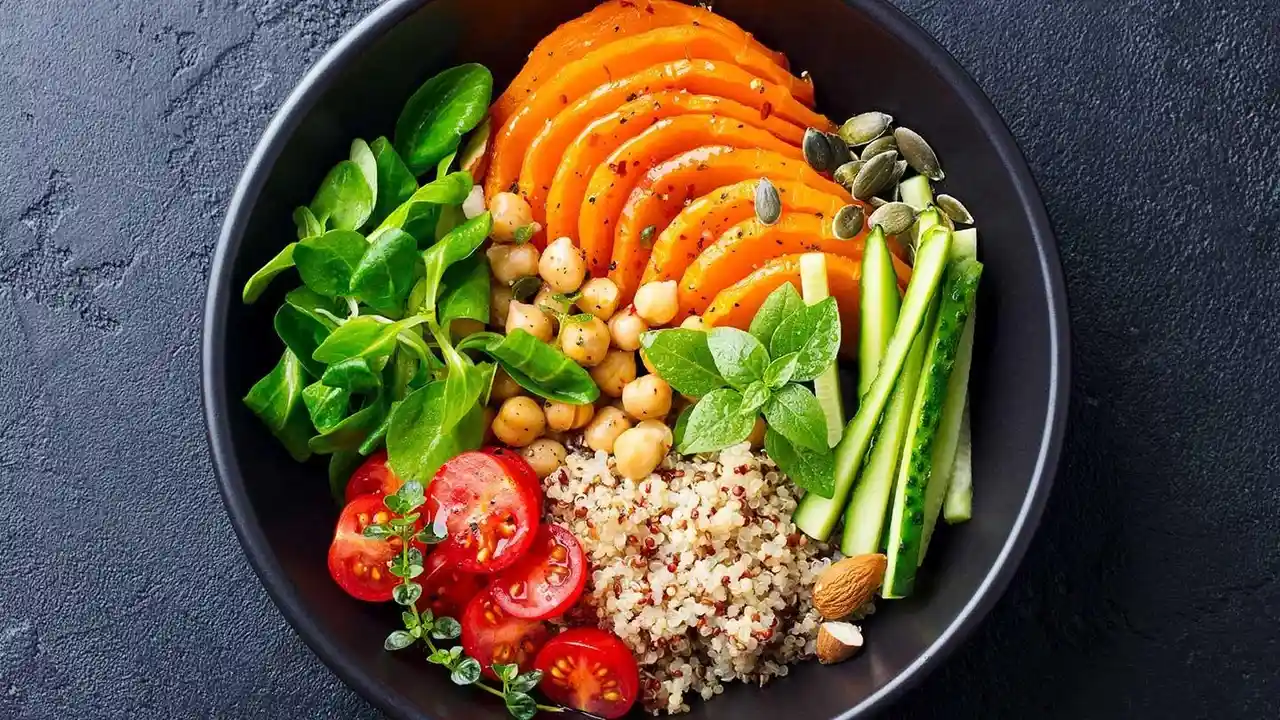
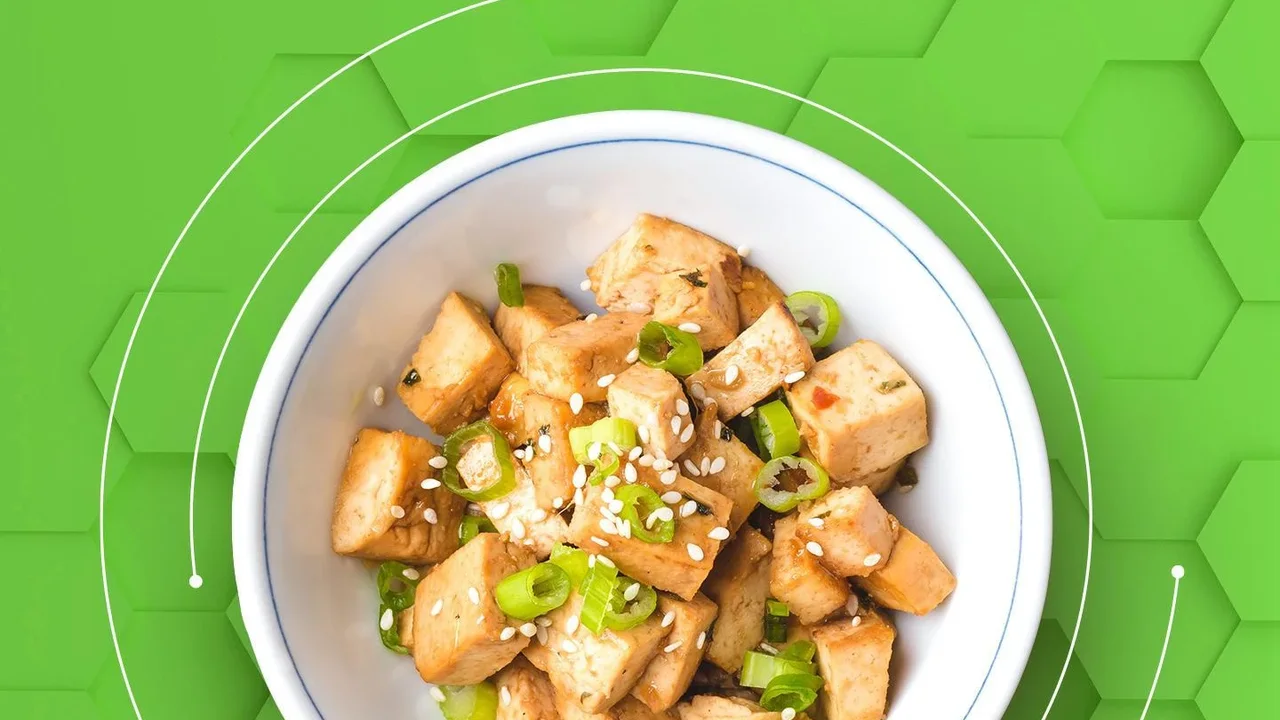
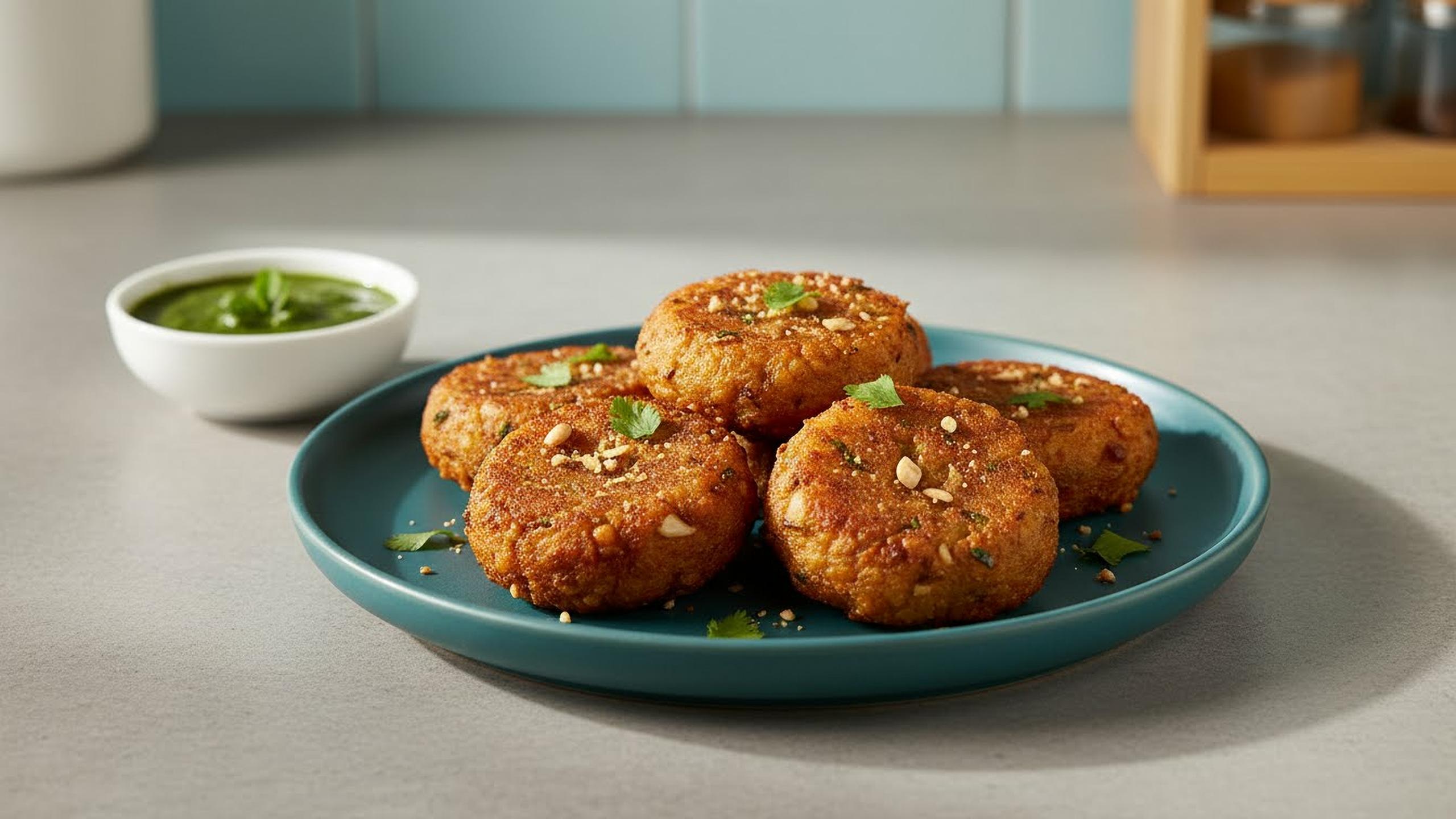
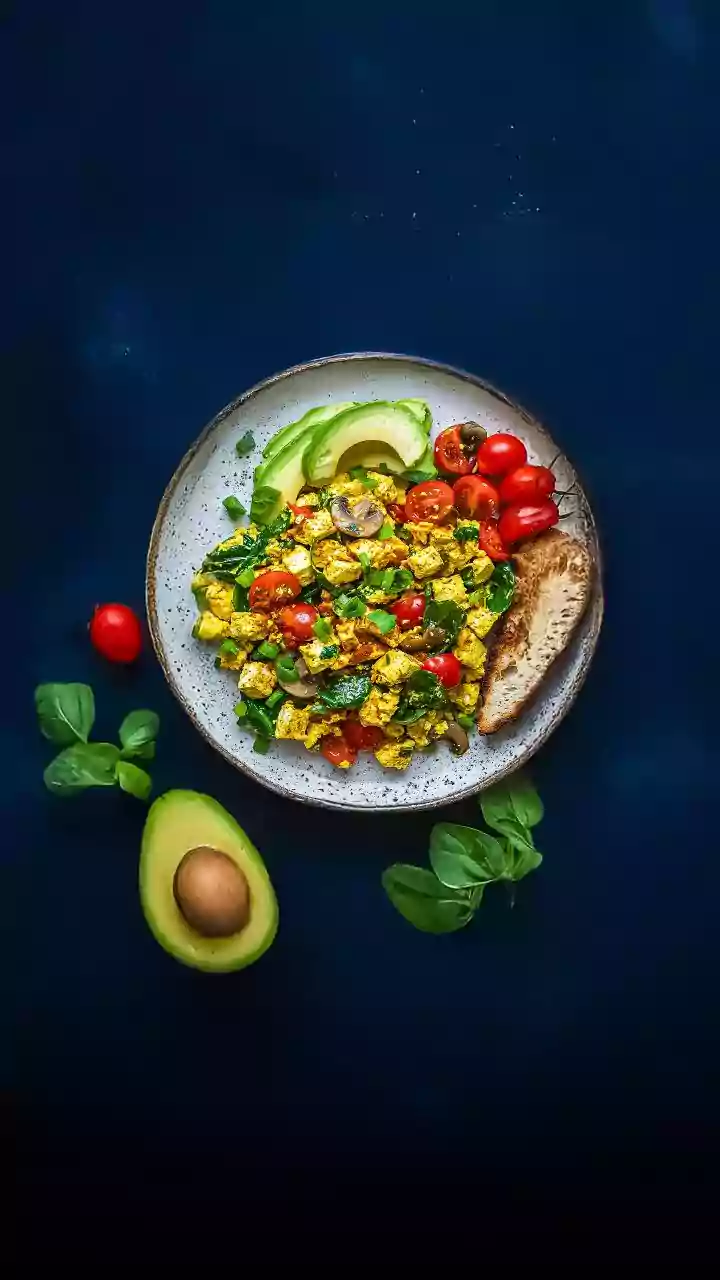
The protein boom isn't just about chicken and eggs. There's a powerful and growing movement towards plant-based protein sources. Driven by factors like lactose intolerance, sustainability concerns, and a preference for cleaner eating, young consumers are embracing options like soya chunks, lentils, chickpeas, and tofu. Soya, in particular, is celebrated for its high protein density and meat-like texture, making it a versatile ingredient in everything from curries to kebabs. This isn't necessarily a departure from tradition. Many are rediscovering the protein wisdom already present in Indian kitchens, where dals, besan, and sattu have been staples for generations. They are simply adapting these ingredients into quicker formats, like a moong dal chilla or a soya keema, proving that traditional foods can easily meet modern nutritional goals.