








The Resume Isn't Dead, It's Just Evolving
Let’s be clear: recruiters aren't throwing resumes in the bin just yet. But the claim that freshers are 'skipping' them points to a crucial shift in hiring philosophy. A resume tells a recruiter what you’ve done; a portfolio *shows* them what you can
do. Think of your resume as the table of contents and your portfolio as the book itself. For roles in tech, design, marketing, content, and data science, a list of skills like 'Python,' 'Graphic Design,' or 'SEO' is meaningless without proof. Recruiters are swamped with identical resumes claiming the same skills. A link to a well-curated portfolio instantly separates you from the crowd by providing tangible evidence of your capabilities. It’s no longer about simply meeting the minimum qualifications; it's about demonstrating excellence from day one.
Why 'Show, Don't Tell' Is Your New Mantra
Imagine a hiring manager has two candidates. Candidate A’s resume says they are 'proficient in Java and built a college project.' Candidate B’s resume has a link to their GitHub profile, where the manager can see the clean, commented code for that same project, demonstrating not just completion but also skill, process, and professionalism. Who gets the interview? The portfolio transforms you from a list of bullet points into a living, breathing professional with a story. It showcases your problem-solving process, your creativity, and your passion for your field. In a world where companies are desperate to reduce hiring risks, a portfolio is the ultimate risk-reducer. It proves you can walk the walk, not just talk the talk.
Choosing the Right Platform for Your Skills
The platform you choose to host your portfolio should align with your industry. It's your digital stage, so pick the one that best highlights your talents.
- **For Developers & Coders:** GitHub is non-negotiable. It’s the industry standard for showcasing code, contributions to open-source projects, and your development workflow.
- **For Designers & Creatives:** Behance, Dribbble, or Adobe Portfolio are your best friends. These are visual-first platforms designed to display graphic design, UI/UX work, illustrations, and photography beautifully.
- **For Writers & Marketers:** A personal blog (using WordPress or Ghost), a Medium profile, or even a well-organized Google Drive folder with links can work. The goal is to present articles, case studies, or campaign results in an easy-to-read format.
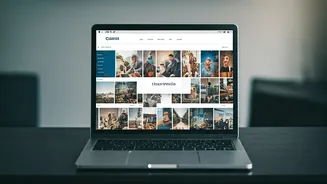
- **For Everyone:** A simple personal website (built with tools like Carrd, Wix, or Squarespace) is the most versatile option. It acts as a central hub, linking to your resume, projects, and social profiles like LinkedIn, creating a complete personal brand.
What Makes a Portfolio 'Stellar'?
A great portfolio isn’t a digital dumping ground for everything you’ve ever done. It’s a curated exhibition of your best self. First, focus on quality over quantity. Select 3-5 of your best projects that showcase a range of skills. Don't just show the final product; add context. For each project, write a short description explaining the problem you were trying to solve, the process you followed, the tools you used, and the final outcome or result. This narrative is as important as the work itself. Finally, ensure your portfolio looks professional. Use a clean layout, a professional profile picture, and write a concise bio that tells recruiters who you are and what you’re looking for. Your portfolio is your personal brand—make it a strong one.
How to Weave It into Your Job Search
Once your portfolio is ready, don’t hide it. You need to strategically place it where recruiters will see it. Add a prominent, clickable link at the top of your resume, right next to your name, email, and phone number. Include the link in your LinkedIn profile’s 'Featured' section and in your bio. Place it in your email signature so every message you send subtly promotes your work. When you apply for a job, you can even mention a specific project from your portfolio in your cover letter that is relevant to the role. The portfolio doesn’t replace your application; it supercharges it, giving you a powerful tool to make an unforgettable first impression.