



The Hearty North: Kuttu, Singhara and Samak
In North India, Navratri fasting, or 'vrat', is a significant observance. The diet shifts away from everyday grains like wheat and rice towards alternatives that are considered pure and provide sustained energy. Flours like kuttu (buckwheat) and singhara
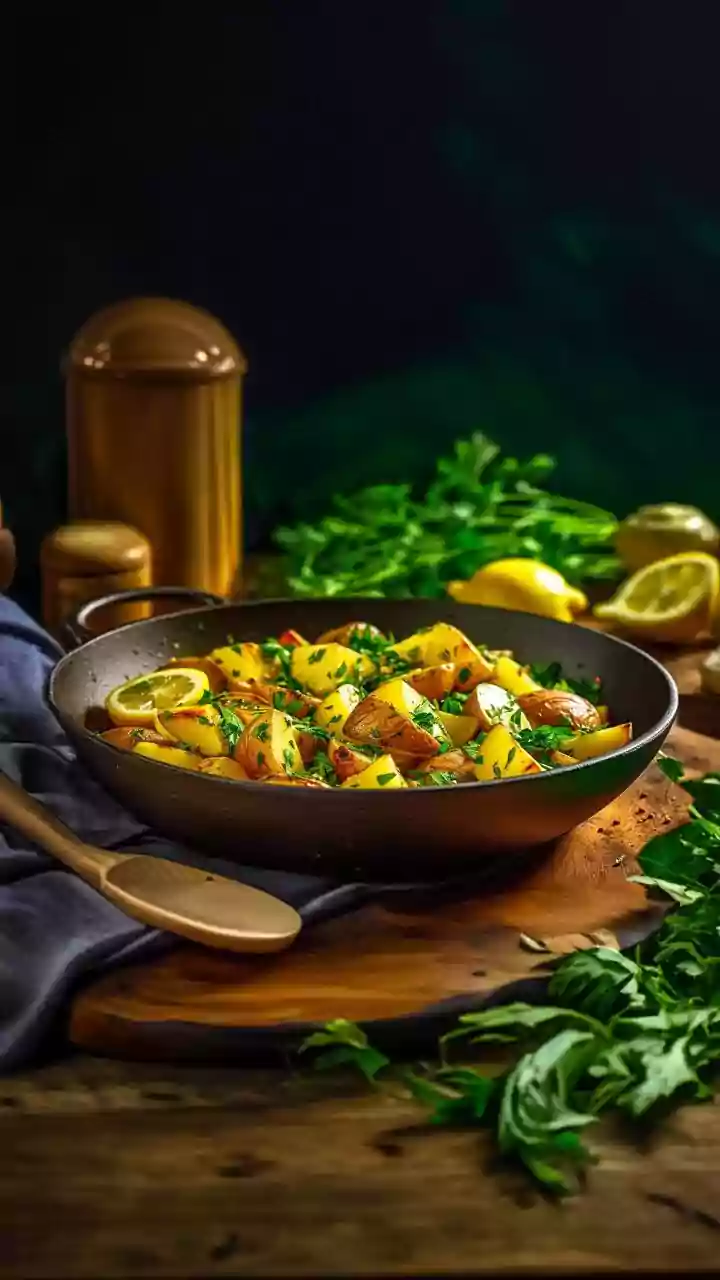
(water chestnut) become staples, used to make pooris and parathas. These are often paired with a simple but flavourful potato curry, or 'vrat wale aloo', which is prepared without onion or garlic and seasoned with rock salt (sendha namak), cumin, and green chillies. Another key ingredient is samak rice, or barnyard millet, which is used to create dishes like a light pulao or a creamy khichdi, offering a wholesome meal that is both filling and compliant with fasting rules. These meals are not just about sustenance; they are a comforting tradition, bringing families together at the end of a day of devotion.
The West Coast Way: Sabudana and Farali Feasts
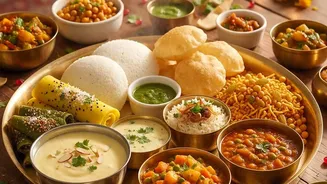
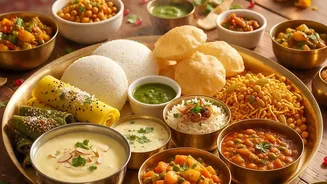
Travel west to Maharashtra and Gujarat, and the Navratri food landscape is dominated by sabudana (tapioca pearls). In Maharashtra, Sabudana Khichdi is an iconic fasting dish, a delightful mix of soaked sago pearls, roasted peanuts, potatoes, and mild spices. Another favourite is the Sabudana Vada, a crispy, deep-fried patty that’s soft on the inside, perfect with a side of sweet curd. In Gujarat, the concept of 'farali' food—meaning permissible for fasting—is a cuisine in itself. Here you'll find creative dishes like Farali Pattice, which are potato patties stuffed with a sweet and spicy mixture of coconut and nuts, and Farali Dhokla, a spongy, steamed cake made from fasting-compliant flours like rajgira (amaranth). These dishes showcase the region's culinary ingenuity, transforming simple ingredients into a festive feast.
Southern Spice: The Sundal Tradition
In Southern India, particularly Tamil Nadu, Navratri is synonymous with 'Golu', the elaborate display of dolls. A key part of the daily ritual is the preparation of 'sundal'. Sundals are savoury snacks made from different legumes and pulses, one for each of the nine days. Varieties range from chickpea (kondakadalai) and black-eyed pea (karamani) to peanut (verkadalai) sundal. The preparation is simple yet flavourful: the chosen legume is soaked and boiled until tender, then tempered with mustard seeds, curry leaves, and a hint of asafoetida, and finally garnished with fresh, grated coconut. This protein-rich offering, distributed to guests as 'prasadam', is a healthy and delicious part of the region's unique Navratri celebrations, representing variety and devotion.
Eastern Feasts: Beyond the Fast
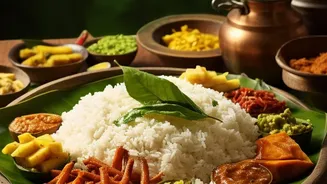
In West Bengal, the nine nights of Navratri are celebrated as Durga Puja, a grand festival that is more of a feast than a fast for many. While many Bengali families do not observe the strict grain-free fast typical in other regions, the food is still central to the celebration. The 'bhog' or offering to the Goddess Durga often includes Khichuri, a comforting one-pot meal of rice and lentils, served with a mixed vegetable dish called 'labra'. For those who do fast, the options might include fruit chaats and milk-based sweets like sandesh or kheer. This highlights a different cultural interpretation of the festival, where communal feasting and celebration take precedence over individual fasting.
Sweets and Creative Twists
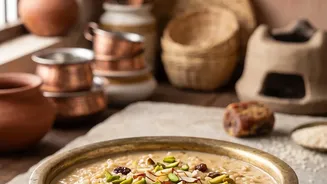
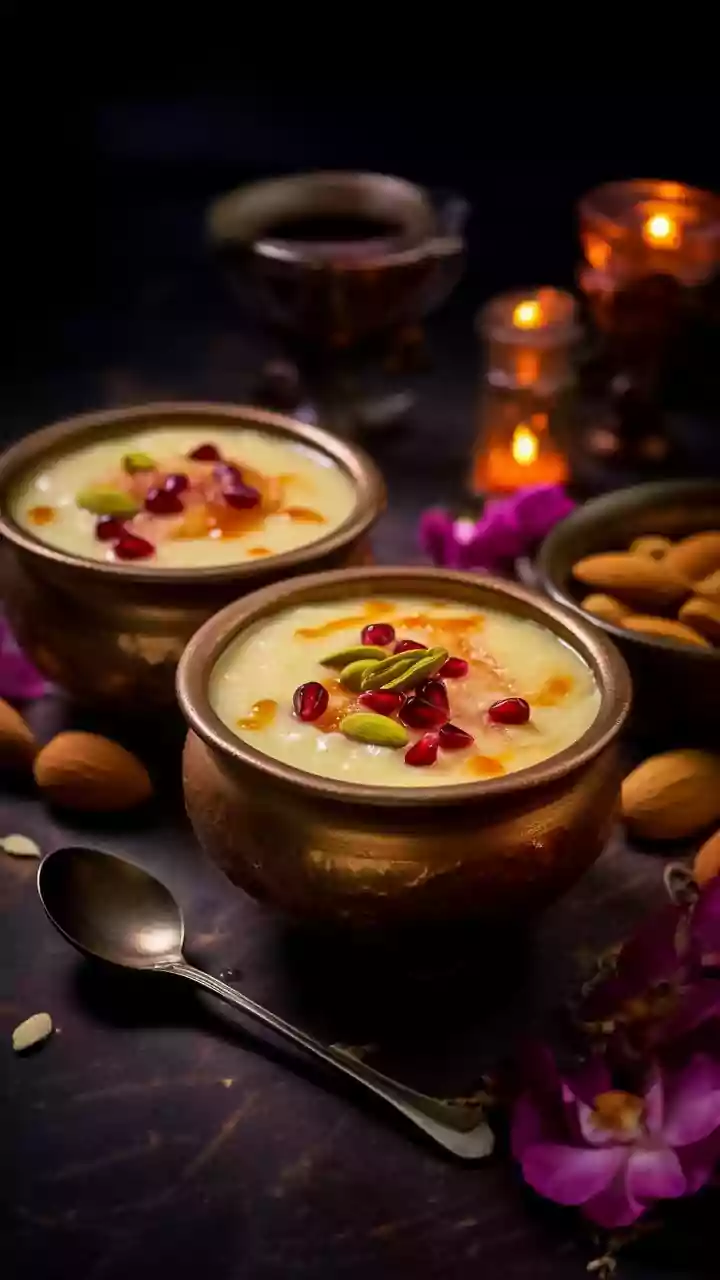
No festival is complete without sweets, and Navratri has its own array of permissible desserts. Across regions, you'll find makhana (fox nut) kheer, a creamy pudding that’s a lighter alternative to rice-based kheer. In Central India and Bihar, Shakarkandi Kheer, made with sweet potatoes, is a festive treat. Singhare ka Halwa, a dense, sweet pudding made from water chestnut flour, is another beloved classic. Modern kitchens have also put creative spins on traditional recipes, leading to innovations like Farali Dosas, vrat-friendly chaats, and even paneer koftas in pumpkin-based gravies, proving that fasting food can be both traditional and excitingly new.