







The Modern Burnout Epidemic
The line between work and home has never been more blurred. With the rise of hybrid models and an 'always on' culture, employee burnout is a significant concern. Recent reports indicate a worrying surge in burnout mentions and that a majority of workers
feel emotionally drained by their jobs. This constant pressure makes planning, and even enjoying, a traditional long vacation a source of stress in itself, with many worrying about falling behind at work. The result is a workforce that is perpetually in need of a break but struggles to take one.
The Rise of the Micro-Break
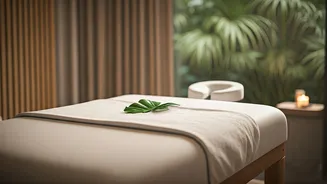
Enter the short staycation, or 'micro-cation'. This refers to a brief holiday of one to three nights spent close to home. It's not about forgoing vacations, but reimagining them. Instead of one big, expensive trip, the focus shifts to more frequent, shorter, and local getaways. This trend is driven by a desire for mental rest without the logistical headaches of extensive travel. Whether it's a weekend at a city hotel, a retreat to a nearby wellness centre, or simply exploring your own city like a tourist, the core idea is a complete but brief detachment from your daily routine.
More Breaks, Better Brain
The psychological benefits of this approach are compelling. Research suggests that the positive effects of a long vacation can fade quickly upon returning to work. In contrast, more frequent, shorter breaks provide regular opportunities to recharge and combat stress. Studies have shown that even micro-breaks can reduce stress, prevent mental exhaustion, and boost performance. Taking short, regular breaks helps to regulate stress hormones, reset your mood, and can even enhance creativity by giving the brain a chance to rest and re-engage from a new perspective.
Making Your Staycation Count
The key to a successful staycation is treating it like a real vacation. This means intentionally disconnecting from work—no checking emails. Plan an itinerary, even a loose one. This could involve booking a night at a local hotel to get a complete change of scenery, making a reservation at a restaurant you've been wanting to try, or visiting a local museum or park. The goal is to break from your normal routine and create a sense of novelty and escape, even if you're only a few kilometres from home. The reduced travel time means less stress and more time for actual relaxation.
A Smarter, More Accessible Escape
Beyond the mental health benefits, short staycations have a clear economic advantage. By cutting out expensive flights and reducing travel time, these breaks are inherently more budget-friendly. This accessibility means that you can afford to take them more often, creating a sustainable cycle of work and rest. In India, a trend is emerging where travellers prioritise high-quality, immersive experiences over hectic, multi-destination trips, aligning perfectly with the staycation model. This shift is not just about saving money; it’s about investing in a more sustainable and effective form of self-care.