

Bringing the lush, velvety green of a forest floor into your home offers a unique touch of natural tranquility. Creating a thriving indoor moss garden is easier than you think, and the secret to success starts with one crucial step.
The Allure of Living Green Decor
Moss is more than just
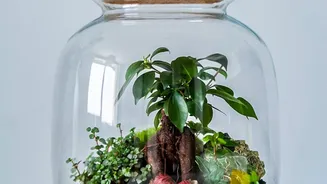
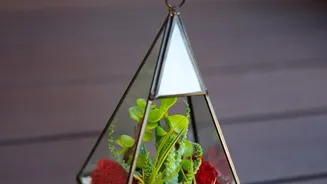
a plant; it's a living piece of art that adds texture, colour, and a sense of calm to any indoor space. Unlike traditional houseplants, moss creates a miniature landscape, a slice of serene wilderness for your desk, shelf, or coffee table. It's a key element in biophilic design, which seeks to connect our living spaces with nature to improve well-being. Whether you're creating a contained world within a glass terrarium or an open-dish garden, moss provides a low-maintenance way to enjoy the beauty of the outdoors, indoors.
Understanding the Two Main Moss Types
Before you choose a moss, it helps to know the two basic categories they fall into. The first is Acrocarpous moss, which grows in upright, clumping forms. Think of the dense, mounded varieties like Cushion Moss. These are typically slower growing and form tight colonies. The second type is Pleurocarpous moss, which has a creeping, carpet-like growth habit. Varieties like Sheet Moss fall into this category, spreading outwards and forming a mat. This distinction is vital because they often have different care needs; acrocarps generally prefer to dry out a bit between waterings, while pleurocarps favour more consistent moisture.
Matching Moss to Your Home's Light
Moss is famous for thriving in shade, but 'shade' isn't a one-size-fitsall term. Most mosses used for indoor decor prefer bright, indirect light. A spot near a north-facing window or on a shelf several feet from a sunnier window is often perfect. Direct sunlight should be avoided, as it can quickly scorch and dry out the delicate plant. If your space is particularly dark, some mosses are more tolerant of low light than others. For rooms with very little natural light, you might even consider preserved moss, which is real moss that has been treated to maintain its colour and texture without needing any light or water at all.
Getting the Moisture and Humidity Right
Since moss absorbs water through its leaves, not roots, moisture and humidity are everything. The key is to keep the moss consistently moist but never soggy, as standing water can lead to rot. Using a spray bottle to mist the surface is the best way to water your moss garden. Many enthusiasts recommend using distilled water, rainwater, or filtered water, as the chlorine and minerals in some tap water can harm the moss over time. For open_air moss dishes, daily misting might be necessary. In a closed terrarium, the environment is largely self_sustaining, and you may only need to mist it every few weeks or months once a water cycle is established.
Popular Moss Varieties for Beginners
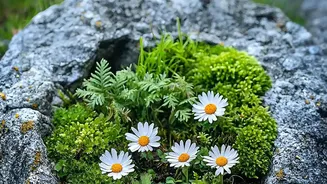
Several types of moss are particularly well suited for beginners looking to create an indoor display. Cushion Moss (Leucobryum glaucum) is a favourite for its pillowy, bright green mounds that create instant texture. It thrives in high humidity and is perfect for closed terrariums. Sheet Moss (Hypnum species) is excellent for creating a lush, carpet like base and is known for being relatively easy to care for. Mood Moss (Dicranum scoparium) offers a rich, velvety texture and grows in dense clumps that look like a windswept landscape, adding drama to any arrangement. Lastly, Fern Moss (Thuidium delicatulum) has delicate, fern like fronds that bring a fine, elegant texture to your miniature garden.
Setting Up Your First Moss Garden
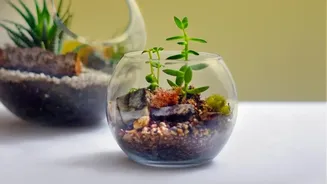
Creating your first display is simple. Start with a suitable container—a glass jar, a wide bowl, or a cloche will work. Add a shallow base layer of gravel or pebbles for drainage, especially in a closed system. On top of that, you can add a thin layer of substrate like a terrarium soil mix or even just sand. Arrange your chosen moss on top, pressing it down gently to ensure it makes good contact with the surface. You can combine different types for texture and visual interest, perhaps using Sheet Moss as a base with a few clumps of Cushion Moss as accents. After planting, give it a thorough misting to settle everything in.