








1. Rethink Your Rainwear
Forget that bulky, non-breathable plastic poncho. The Indian monsoon brings not just rain but also intense humidity, and you’ll end up soaked in sweat if your rain gear doesn't breathe. Invest in a lightweight, waterproof, and breathable jacket. Look
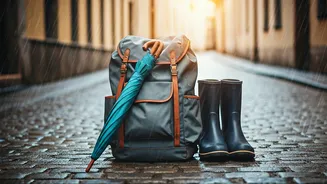
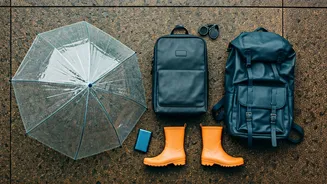
for materials like Gore-Tex or similar fabrics with taped seams that keep water out but allow vapour to escape. A good rain jacket should also have a sturdy hood with a drawstring to protect your face. For city commutes, a reliable, wind-resistant umbrella is great, but for any serious travel, a quality jacket is non-negotiable.
2. Choose Your Footwear Wisely
This is perhaps the most crucial tip. Leather shoes are a definite no—they get ruined by water and take forever to dry, leading to fungus and odours. Canvas sneakers are just as bad, becoming heavy and squishy. Your best bets are rubber-based footwear. Think sturdy flip-flops, floaters, or Crocs-style clogs. They offer good grip on slippery surfaces, don’t absorb water, and dry in minutes. If you need a more formal option for work, look for all-weather synthetic shoes. Always pack an extra pair so one can dry while you wear the other.
3. Embrace Synthetic Fabrics
Cotton and denim are your enemies during the monsoon. They absorb a tremendous amount of water, become incredibly heavy, and can take days to dry in the humid air, often developing a musty smell. Instead, pack clothes made from synthetic or semi-synthetic fabrics like polyester, nylon, and rayon. These materials are lightweight, water-resistant, and dry exceptionally fast. They are perfect for t-shirts, trousers, and dresses. For a quick-drying towel, choose a microfiber travel towel over a thick cotton one.
4. A Waterproof Bag is Essential
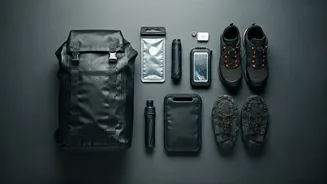
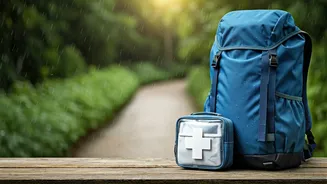
Your stylish leather or canvas tote bag won't cut it. You need a reliable waterproof or water-resistant backpack to protect your essentials, especially electronics. Look for bags made from materials like PVC or nylon with a water-repellent coating. A roll-top closure offers the best protection against heavy rain. If you don't want to buy a new bag, a good alternative is to purchase a waterproof rain cover for your existing backpack. For extra security, keep your wallet, phone, and other valuables inside a smaller waterproof pouch or a simple zip-lock bag within your main bag.
5. Protect Your Gadgets
Water and electronics don't mix, and high humidity can be just as damaging as a direct splash. Keep your phone in a waterproof case or a zip-lock pouch when you’re out and about. Pack silica gel packets in your laptop bag and camera case to absorb excess moisture and prevent fungal growth on lenses. A portable hairdryer can be a lifesaver, not just for your hair but for quickly drying out mildly damp items or electronics (use with extreme caution on a low-heat setting). And most importantly, always have a fully charged power bank, as power cuts can be more frequent during heavy rains.
6. Pack a Monsoon Health Kit
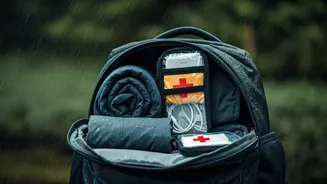
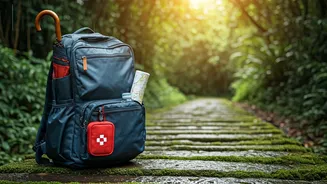
The damp weather can bring a host of minor health issues. Your regular first-aid kit should be updated for the season. Include mosquito repellent, as stagnant water leads to an increase in mosquito-borne illnesses. Pack antiseptic wipes, band-aids for any cuts or scrapes (which can get infected easily in the damp), and an anti-fungal powder or cream for your feet. It's also wise to carry water purification tablets or a water bottle with a built-in filter, especially if you're travelling to more remote areas.