




Why Green Vegetables Lose Their Colour
The brilliant green in vegetables like beans, broccoli, and spinach comes from a pigment called chlorophyll. When you cook these vegetables, a few things happen. The heat itself begins to break down the delicate chlorophyll molecules. At the same time,
the plant's cell walls rupture, releasing natural acids that were once kept separate. When these acids and the heat come into contact with the chlorophyll, they trigger a chemical reaction. This reaction converts the bright green chlorophyll into a molecule called pheophytin, which has a drab, olive-green hue. [14, 20] The longer the vegetables are cooked, the more of this conversion happens, leading to a progressively duller colour.
The Truth About the Lime Juice Trick
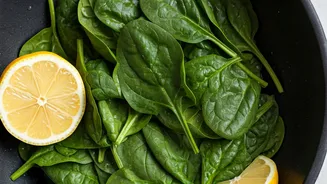
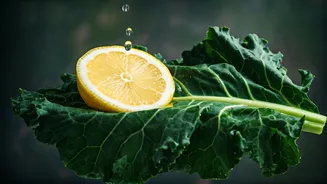
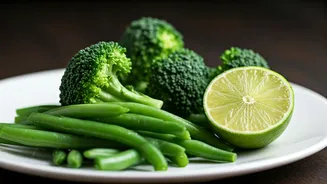
Given that the vegetables' own acids are part of the problem, the idea of adding more acid from lime juice seems counterintuitive. And scientifically, it is. Adding an acid like lime or lemon juice to green vegetables while they are cooking will actually speed up the process that turns them a dull green. [21, 22, 27] The acidic environment is precisely what degrades chlorophyll into the less-than-appealing pheophytin. So, why does this tip persist? It’s likely a misunderstanding of timing. While adding lime juice during the cooking process is detrimental to colour, using it as a finishing touch is a different story. A squeeze of lime *after* the vegetables are cooked and removed from the heat can brighten their flavour and add a fresh, zesty note without having enough time or heat to significantly dull the colour.
The Professional's Method: Blanch and Shock
If your primary goal is to lock in that vibrant green colour, the most reliable method used by professional chefs is called blanching and shocking. This two-step process is highly effective. First, bring a large pot of generously salted water to a rolling boil. Adding your vegetables to a large volume of very hot water cooks them quickly and dilutes their natural acids. [21] Cook them for just a few minutes until they are crisp-tender. [4] While they are boiling, prepare a large bowl of ice water. As soon as the vegetables are done, use a slotted spoon to immediately transfer them into the ice bath. [3, 7, 10] This 'shock' instantly stops the cooking process, preventing them from overcooking from residual heat and effectively locking in their bright green colour.
Simpler Tricks for Everyday Cooking
If blanching and shocking feels like too much effort for a weeknight meal, there are simpler principles that make a huge difference. The single most important rule is to not overcook your green vegetables. Aim for a cooking time of five to seven minutes, which is generally short enough to retain good colour and a pleasant, crisp texture. [4] When boiling, cook the vegetables without a lid. This allows the volatile acids that would otherwise dull the colour to escape with the steam instead of condensing on the lid and dripping back onto the food. [5, 21] Finally, using a large amount of water when boiling isn't just for blanching; it helps dilute the vegetables' acids even during a normal cooking process, helping preserve some of that coveted green.