







Why Your Gut Needs Extra Care
The shift in weather during the monsoon has a direct impact on your body. According to Ayurvedic principles, the digestive fire, or 'Agni', naturally weakens during this season due to high humidity and environmental changes. This can lead to a sluggish
digestive system, making you more prone to issues like bloating, gas, and indigestion. Furthermore, the damp conditions are a perfect breeding ground for bacteria and viruses, increasing the risk of water and food-borne infections. A compromised digestive system is less effective at fighting off these pathogens, making dietary adjustments essential for staying healthy.
Fibre: The Gut’s Unsung Hero
Fibre is a type of carbohydrate that is essential for maintaining a healthy digestive system. During the monsoon, when digestion can be sluggish, fibre plays a critical role in preventing constipation by adding bulk to the stool and ensuring smooth bowel movements. It also acts as a prebiotic, which means it provides food for the beneficial bacteria in your gut. A healthy gut microbiome is fundamental to a strong immune system, which is your frontline defence against seasonal illnesses. By nourishing good bacteria, fibre helps reinforce your body's ability to fight off infections.
Smart Fibre-Rich Foods for Monsoon
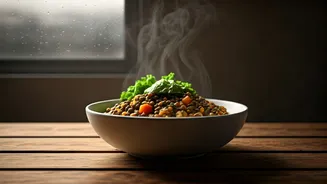
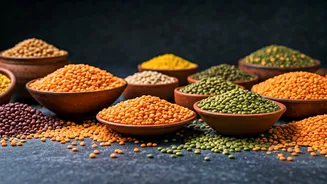
While fibre is important, it's wise to be selective during the monsoon. Raw vegetables, especially leafy greens, can carry a higher risk of contamination. Instead, focus on well-washed and cooked sources. Excellent choices include gourds like bottle gourd (lauki) and ridge gourd (turai), as well as bitter gourd (karela) and pumpkin. Seasonal fruits such as apples, pears, and bananas are great sources of fibre. Whole grains like oats, corn, and lentils are not only high in fibre but also provide sustained energy, keeping you feeling full and active.
Ferments: Your Immunity Boosters
Fermented foods are powerhouses of probiotics—live beneficial bacteria that support and enhance your gut microbiome. For generations, Indian kitchens have used fermentation not just for preservation but also for its health benefits. These probiotics help improve digestion, enhance nutrient absorption, and, most importantly, bolster your immune system. With about 70% of your immune system residing in your gut, a diet rich in fermented foods can significantly improve your resilience against the colds, flu, and stomach bugs that are common during the rainy season.
Probiotic Power on Your Plate
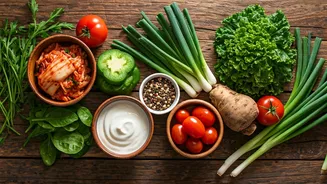
Incorporating fermented foods into your monsoon diet is simple and delicious. Homemade dahi (curd) is perhaps the most common and effective probiotic source. Buttermilk (chaas), a lighter alternative to curd, is excellent for hydration and digestion, especially when spiced with ginger or cumin. South Indian staples like idli and dosa are made from fermented batter, making them light and easy on the stomach. Gujarati dhokla, made from fermented gram flour, is another healthy, steamed option. Even traditional pickles (achaar), when consumed in moderation, can provide a dose of beneficial microbes.