


The End of Mismatched Foundation
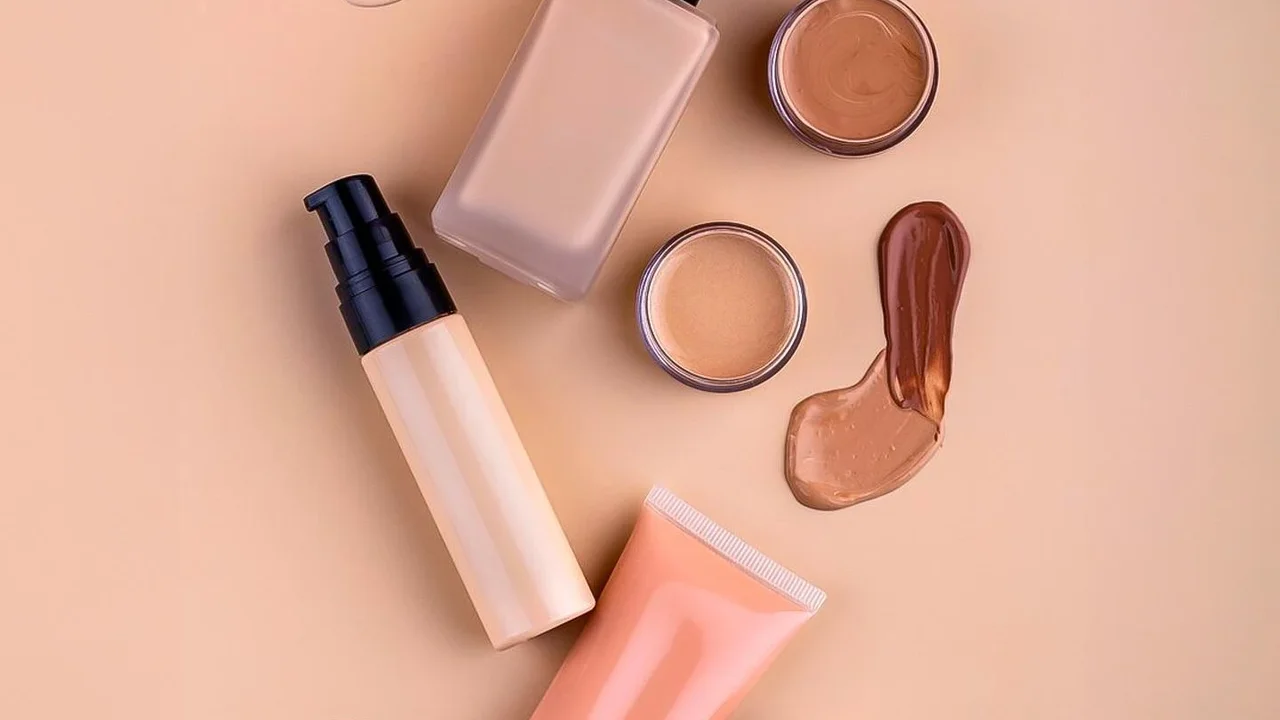
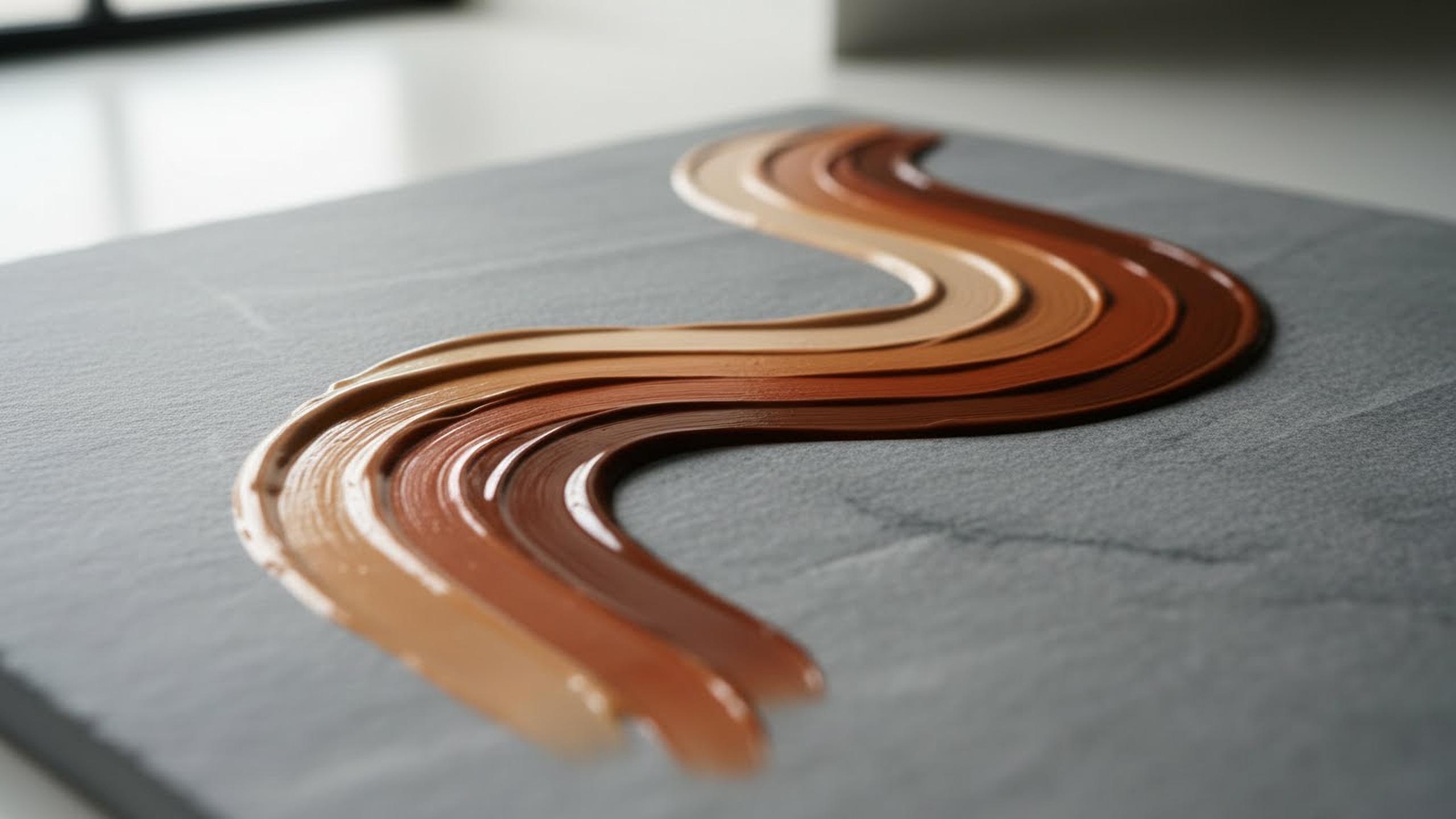
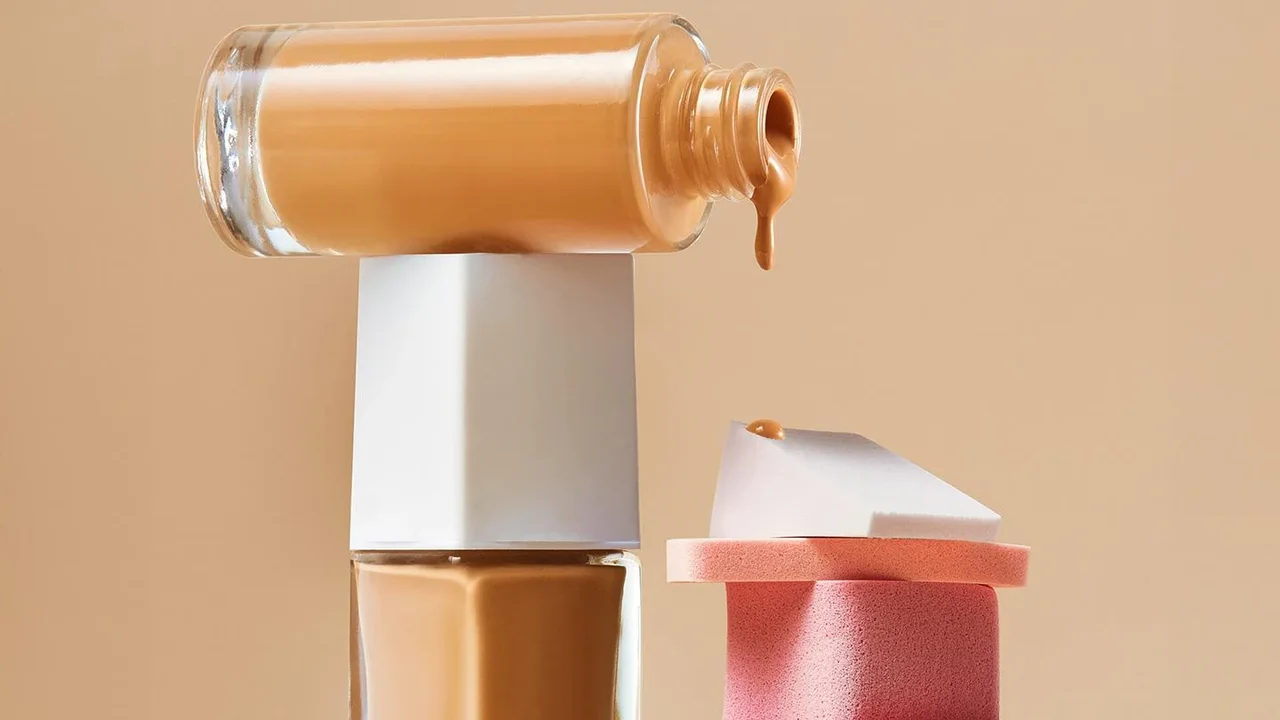
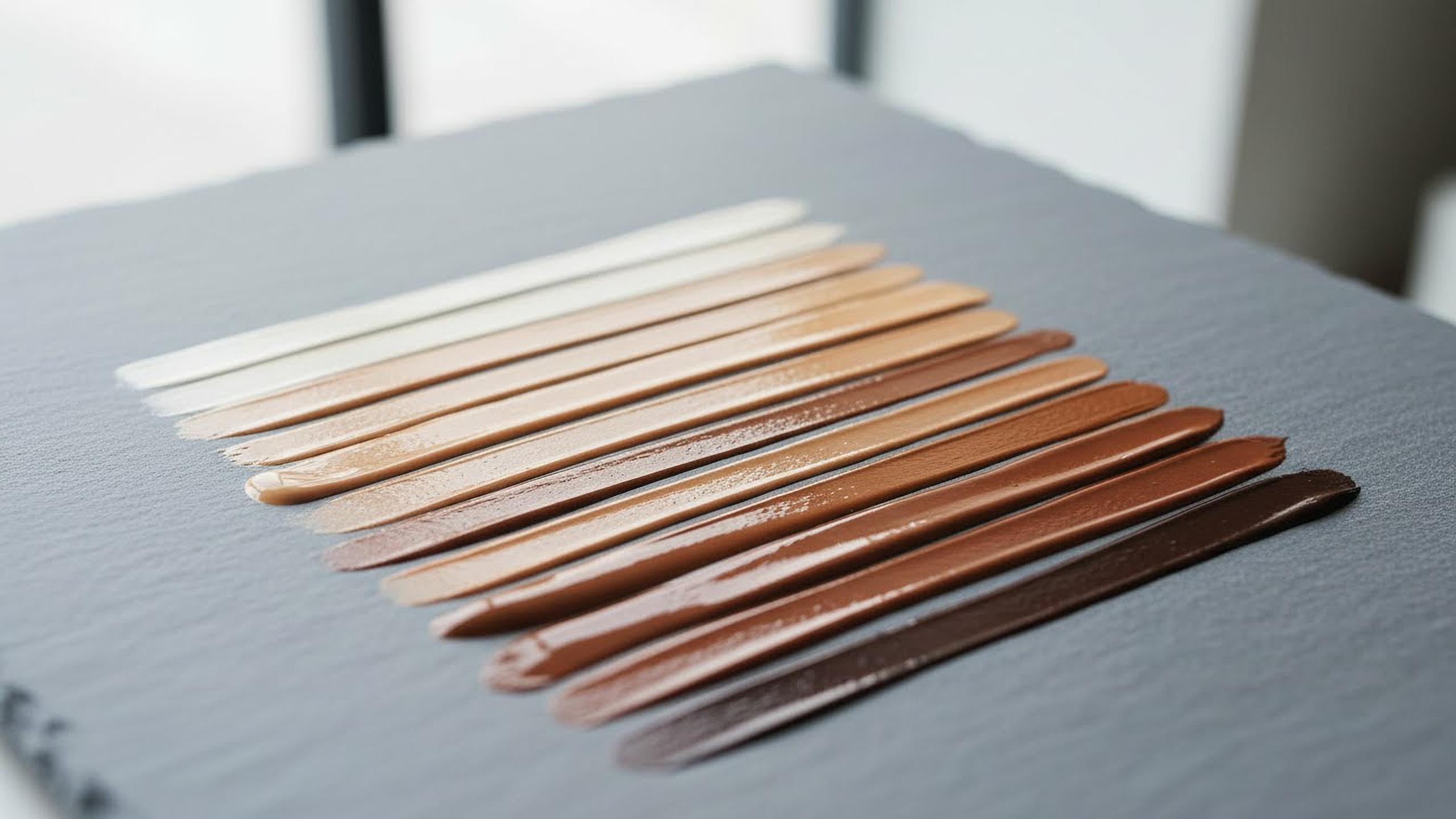
Every makeup user knows the frustration: spending time and money on a new foundation only to discover it’s too light, too dark, too orange, or gives your skin an ashy appearance under different lighting. The drawer full of barely-used bottles is a common
tale of woe. Traditionally, finding a perfect match meant a trip to the store for a swatch test, but even that is fraught with challenges like harsh store lighting and the inconvenience of it all. Online shopping promised convenience but amplified the risk of getting the shade wrong. This long-standing problem has left consumers wishing for a better way, and now, technology is finally delivering a solution.
How AI Finds Your Perfect Match
The magic behind this new wave of personalised shopping lies in advanced artificial intelligence and your smartphone's camera. Brands are now using sophisticated AI-powered tools that analyse your skin in real time. These tools go far beyond simple online quizzes. By scanning your face, the AI algorithm can detect thousands of data points to assess your unique skin tone and, crucially, your undertones—the subtle cool, warm, or neutral hues beneath your skin's surface. Some of the most advanced systems use spectroscopy, analysing how light reflects off your skin to get a scientifically precise reading. The technology is designed to compensate for tricky lighting conditions, ensuring the recommendation is as accurate as possible, whether you're in a dimly lit room or bright sunshine.
Leading the Digital Makeover
A growing number of beauty giants and innovative startups are embracing this technology. Brands like Estée Lauder, e.l.f. Beauty, and Clinique have integrated AI shade finders into their websites and apps. Perfect Corp. is a major technology provider that has partnered with many of these brands to create virtual try-on experiences. Clarins has rolled out an in-store AI Shade Finder that boasts a 96% match rate compared to a professional makeup artist. These tools not only suggest a foundation shade but often allow you to virtually 'try on' the product, seeing how it looks on your face through a live camera feed. This boosts shopper confidence and significantly reduces the chances of purchase regret.
The Reality Check: Is It Flawless?
While AI shade-matching is a huge leap forward, it’s not yet foolproof. The accuracy of the result heavily depends on the quality of your camera and, most importantly, the lighting. Experts agree that even the best algorithms can struggle with poor lighting, shadows, or if you're already wearing makeup. Furthermore, there are concerns about inherent biases in some AI systems, which can lead to less accurate results for darker skin tones if the training data isn't sufficiently diverse. However, many tech companies are actively working to address this, with some using more inclusive frameworks like the Monk Skin Tone Scale to ensure the technology works for everyone. Despite these challenges, many tools achieve over 90% accuracy, a significant improvement over traditional methods.
Tips for a Picture-Perfect Result
To get the most out of these AI tools, a little preparation goes a long way. First, make sure you start with a clean, makeup-free face. Find a spot with plenty of natural daylight, as this provides the most accurate read of your skin tone. Stand facing a window rather than having it behind you. Hold your phone steady at eye level and ensure your entire face is visible within the frame. When the tool recommends shades, don't just trust the first one. If possible, use the virtual try-on feature to see how a few of the top recommendations look. The goal is to find the shade that seamlessly disappears into your jawline, blending your face and neck perfectly.