



Understanding Your Pet's Fear
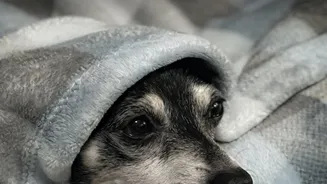
For a timid animal, the world is full of potential threats, and a reaching hand, even one offered with love, can be terrifying. This fear isn't a reflection of you, but rather a deep-seated survival instinct. Many shy pets, whether due to genetics, a lack
of early socialisation, or past trauma, operate in a state of high alert. Their body language often tells a clear story: a crouched posture, tucked tail, ears pinned back, and wide eyes are all signs that they feel unsafe. Direct approaches, sustained eye contact, and being towered over can feel like immense pressure, triggering a fight-or-flight response. By trying to force an interaction, even a gentle one, we can inadvertently make their world even smaller and scarier.
The Power of Distance and Choice
This is where the simple act of tossing a treat from a distance becomes a powerful tool. The technique, often called "Treat and Retreat" by animal behaviorists, is designed to change your pet’s emotional response to your presence. Instead of luring them into a situation they find stressful, you are offering a reward without any strings attached. The magic lies in what this action communicates. By tossing a treat, you are saying, "Good things happen when I'm around, but you don't have to come close to get them." This removes the social pressure and gives the animal control and an escape route, which is crucial for building their confidence. The treat becomes a positive event, and your distance becomes part of that reward.
A Step-by-Step Guide
Putting this into practice requires patience and a calm demeanour. Start by arming yourself with high-value treats—something your pet finds irresistible, like small pieces of chicken or cheese. Find a quiet space where your pet can feel secure. Instead of facing them head-on, sit down and turn your body sideways, which is less confrontational. Avoid direct eye contact; instead, use a soft, gentle gaze. Begin by tossing a treat away from you, perhaps even behind your pet, so they have to move away to get it. This reinforces the idea that they can retreat and still get the reward. As they eat, remain calm and quiet. For the next treat, you might toss it a little closer, but still well within their comfort zone. The goal isn't to get them to approach you quickly but to create a positive, predictable game.
Reading Your Pet's Signals
Success with this method depends on your ability to read your pet's body language. Signs of growing comfort include a more relaxed body posture, softer eyes, and maybe even a slight lean in your direction. They may start to anticipate the game with gentle curiosity rather than fear. Conversely, signs of stress mean you need to back off. These can include lip licking, yawning when not tired, showing the whites of their eyes (often called "whale eye"), or freezing in place. If you see these signals, you may be moving too fast. End the session on a positive note by tossing a final treat far away and letting them be. Keeping sessions short and positive is key.
Beyond the Treat Toss
Tossing treats is a foundational step, not the final destination. It's one part of a broader strategy of desensitization and counterconditioning, where you gradually help your pet associate scary things with positive outcomes. As your pet becomes more confident, you can slowly decrease the distance of the toss. Eventually, they may choose to approach you on their own. When they do, resist the urge to immediately reach out and pet them. Let them sniff you while you remain still. The next step might be offering a treat from a flat hand held close to your body, then immediately tossing another one away to relieve the pressure. This entire process is about building a foundation of trust, demonstrating that you respect their boundaries and are a reliable source of safety and good things.