





As a pleasant chill settles in, our markets transform. Gone are the summer melons, replaced by a heartier, more vibrant bounty. This November, it's time to embrace the earthy goodness of root vegetables and the bright burst of winter fruits.
Earthy and Sweet Beetroot
Often hailed
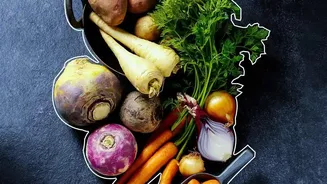
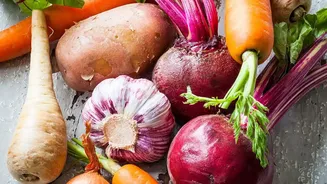
for its vibrant colour, beetroot is a nutritional powerhouse that deserves a regular spot on your plate. This root vegetable is packed with essential nutrients, including fibre, folate, and manganese. Beets are particularly noted for their nitrates, which can help improve blood flow and support heart health. Their earthy sweetness deepens beautifully when cooked. For an easy side dish, simply roast them with a little salt and oil. You can also grate them raw into salads for a pop of colour and crunch, blend them into a nutrient-rich juice, or incorporate them into a classic South Indian 'poriyal' for a comforting meal.
The Versatile Carrot
The humble carrot, or 'gajar', is a cool-season staple for good reason. It's famously rich in beta-carotene, which the body converts into vitamin A—a crucial nutrient for good vision and a strong immune system. Carrots are also a great source of fibre, helping to support digestive health. While they are perfect eaten raw as a snack, their versatility shines in the kitchen. Shred them for a fresh salad, chop them into a hearty 'sabzi' or soup, or embrace tradition by cooking up a batch of sweet 'gajar ka halwa'. Roasting carrots brings out their natural sweetness, making them a delicious addition to any meal.
Comforting Sweet Potato
Sweet potato, or 'shakarkand', is a fall favourite that's both delicious and incredibly nutritious. Loaded with fibre, vitamins A and C, and antioxidants, it’s a fantastic vegetable for boosting immunity as the weather gets cooler. Unlike regular potatoes, sweet potatoes contain complex carbohydrates that provide sustained energy without spiking blood sugar levels. They can be roasted until tender and fluffy, mashed as a comforting side, or cubed and spiced to make a tangy 'shakarkand chaat'—a popular street food snack in North India.
Tangy Amla (Indian Gooseberry)
Amla is a true superfruit and one of the most potent natural sources of vitamin C, a powerful antioxidant that strengthens the immune system. Its intensely sour and tangy flavour makes it a unique ingredient in Indian cuisine. While eating it raw is an option for the brave, amla is more commonly used to make juices, chutneys, and pickles. Combining amla and pomegranate juice creates a wellness elixir known to boost immunity and improve skin health. Amla also supports liver function, aids digestion, and promotes hair and skin vitality.
Jewel_Like Pomegranate
Pomegranates, with their ruby_red arils, are one of winter's most visually stunning fruits. But they're not just beautiful; they are packed with powerful antioxidants like punicalagins, which help fight inflammation and protect cells from damage. These juicy jewels are a good source of fibre and vitamin C, making them a great choice for heart and immune health. Sprinkle the arils over salads, stir them into yoghurt or 'raita' for a burst of flavour, or simply enjoy a bowl on their own. They add a refreshing crunch and a sweet_tart taste to any dish.
Creamy Custard Apple (Sitaphal)
Custard apple, known as 'sitaphal', is a seasonal delicacy with a very short window, making its arrival in autumn and early winter a special treat. Its lumpy green exterior hides a soft, creamy, and incredibly sweet pulp. Packed with vitamins, minerals, and energy_boosting properties, it's an indulgent yet healthy fruit. The best way to enjoy it is often the simplest: scoop out the flesh with a spoon, discarding the seeds. For a more decadent treat, the pulp can be blended into milkshakes, smoothies, or used to make traditional Indian desserts like 'basundi' or a modern ice cream.