



First, What Is a Ramsar Site?
The term comes from the Ramsar Convention on Wetlands, an international treaty signed in Ramsar, Iran, in 1971. It provides a framework for the conservation and wise use of wetlands. A wetland is designated a Ramsar site if it's deemed of international importance
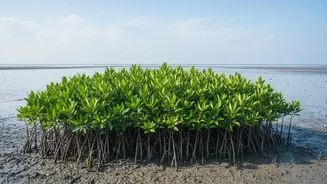
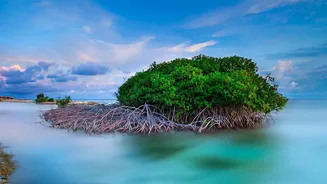
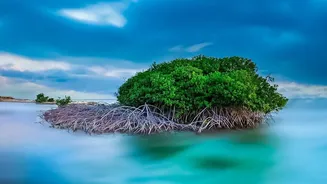
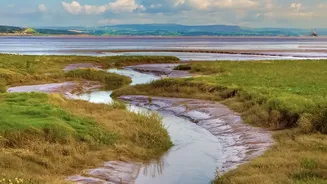
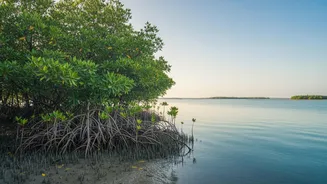
based on specific criteria, such as supporting vulnerable or endangered species, hosting significant biodiversity, or being a critical habitat for migratory birds. The definition of a wetland is broad, including natural ecosystems like lakes, marshes, and mangroves, as well as human-made ones like reservoirs and ponds. Once a site is on the list, the national government commits to its protection and sustainable management.
Meet the Newest Addition: Glaw Lake
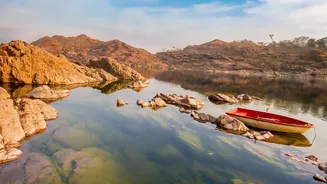
On August 3, 2026, Glaw Lake in Arunachal Pradesh was officially named India's 101st Ramsar site, a first for the state. Located within the Kamlang Tiger Reserve and Wildlife Sanctuary, this pristine freshwater lake is a biodiversity hotspot in the Eastern Himalayas. It is surrounded by lush forests and fed by mountain streams, supporting a rich diversity of life. The area around the lake is home to over 150 tree species and 49 types of orchids, highlighting its ecological significance. This designation brings the total area of protected wetlands in India to over 1.38 million hectares. With Tamil Nadu having the most sites, India continues to expand its network of these vital ecosystems.
The Link to National Water Security
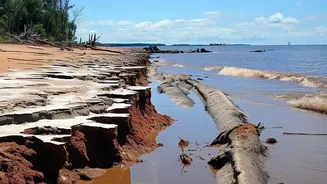
Wetlands are often called 'nature's kidneys' for a reason. They act as natural filters, purifying water by trapping pollutants. More importantly, they function as giant sponges. During heavy monsoons, they absorb excess rainfall, reducing the intensity of floods. In dry seasons, they release this stored water gradually, helping to maintain river flows and recharge groundwater aquifers. This is critically important for India, where a vast portion of the rural population depends on groundwater for drinking and agriculture. With nearly 30% of the country's natural wetlands lost in the past three decades, protecting the remaining ones is a direct investment in our water security.
A Frontline Defense Against Climate Change
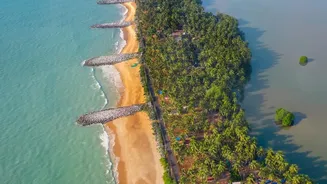
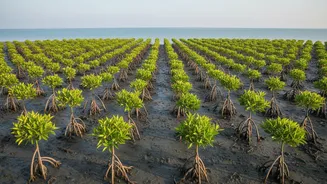
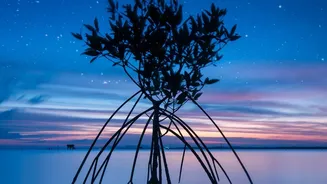
Beyond water, wetlands are powerful tools for climate action. Ecosystems like marshes, peatlands, and mangroves are incredibly effective carbon sinks, storing vast amounts of carbon in their soil and biomass—often more per hectare than tropical forests. Coastal wetlands, especially mangroves like those in the Sundarbans, also serve as physical barriers that absorb the energy of storm surges and protect coastal communities from cyclones. As India faces more extreme weather events like erratic monsoons, droughts, and intense storms, healthy wetlands act as a natural buffer, enhancing resilience and reducing disaster risk. Their role is no longer just about conservation; it's about adaptation and survival.
Why This Matters for India's Future
The addition of a new Ramsar site is more than just a number. It's part of a broader strategy recognizing that natural infrastructure is as vital as built infrastructure like dams and reservoirs. Protecting these ecosystems secures livelihoods for millions who depend on them for fishing, farming, and tourism. Sites like Chilika Lake in Odisha, for instance, support the livelihoods of around 150,000 fisherfolk. As India expands its network of Ramsar sites, it reinforces a commitment to balancing development with environmental stewardship. These wetlands are not wastelands to be developed; they are essential national assets that underpin our economic stability, ecological health, and climate resilience.