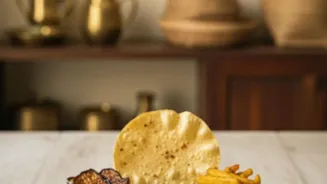


That mid-morning energy slump feels inevitable in our fast-paced lives. But what if the secret to lasting fuel isn’t in a coffee cup, but in the wisdom of our own kitchens? Traditional Indian breakfasts are more than just comfort food.
The Science of Steady Energy
The key to avoiding
energy crashes lies in how your body processes food. Many modern breakfast options are loaded with simple carbohydrates (like sugar and refined flour) that cause a rapid spike and subsequent fall in blood sugar. Traditional Indian breakfasts, however, are typically built on complex carbohydrates. These are made of longer chains of sugar molecules that the body breaks down slowly. This gradual digestion provides a steady, sustained release of energy, keeping you focused and active for hours without the crash. This is achieved through a balanced combination of carbohydrates, proteins, and healthy fats, which work together to stabilise blood sugar levels.
Idli & Dosa: Fermented Powerhouses
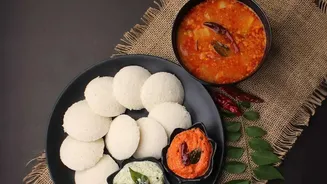
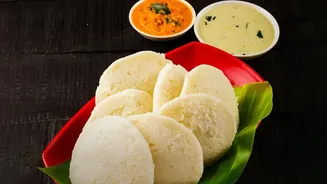
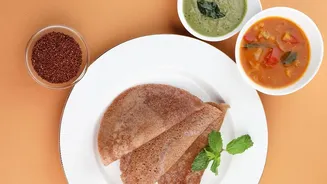
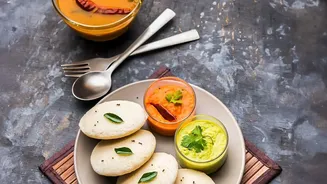
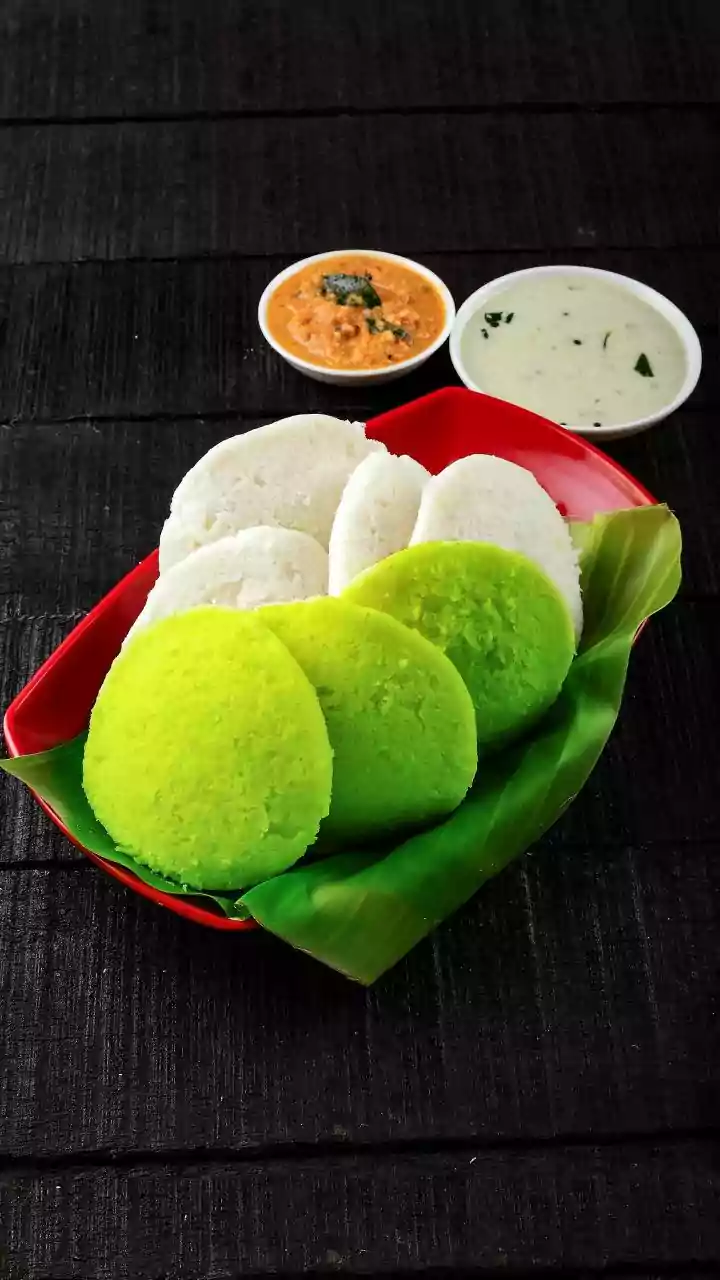
South Indian staples like idli and dosa are prime examples of nutritional intelligence. Made from a fermented batter of rice and lentils (urad dal), they offer a complete protein profile. The fermentation process is a game-changer. It not only makes these foods light and easy to digest but also enriches them with probiotics, which are beneficial bacteria that support gut health. A healthy gut is crucial for efficient nutrient absorption. Fermentation also breaks down complex components in the grains, increasing the bioavailability of essential nutrients like B vitamins and minerals. This pre-digestion means your body works less to get more energy.
Poha: The Light and Wholesome Choice
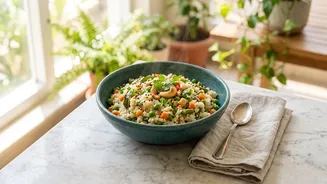
Poha, or flattened rice, is a beloved breakfast across many parts of India for good reason. It’s incredibly light on the stomach yet provides healthy carbohydrates for energy. Poha has a moderate glycemic index, which means it helps in the slow and steady release of sugar into the bloodstream. It is also a good source of iron; the process of flattening the rice involves passing it through iron rollers, which allows it to retain some of the mineral. Squeezing a bit of lemon on top, a common practice, adds Vitamin C, which significantly improves the body's ability to absorb that iron.
Upma & Cheela: Fibre and Protein Stars
Savoury and versatile, upma and moong dal chilla offer another dimension of sustained fuel. Upma, typically made from roasted semolina (sooji) and packed with vegetables, is rich in fibre and protein. Fibre aids in digestion and promotes a feeling of fullness, preventing mid-morning snack cravings. Moong dal chilla, a savoury pancake made from split mung beans, is a protein powerhouse. Protein is essential for satiety, helping you feel full for longer, and supports muscle strength and recovery. Unlike many fried options, a chilla can be prepared with minimal oil, making it a light yet incredibly filling start to the day.
The Role of Spices and Pairings
The genius of an Indian breakfast also lies in its accompaniments and spices. Spices like turmeric, cumin, and mustard seeds are not just for flavour; they have medicinal properties that can aid digestion and reduce inflammation. Pairings are equally important. Serving idli or dosa with sambar (a lentil-based stew) adds extra protein and fibre. A side of coconut chutney provides healthy fats. Adding vegetables to poha or upma boosts their vitamin and mineral content. These thoughtful combinations ensure that the meal is not just a source of carbohydrates but a well-rounded, nutritionally complete package designed to fuel your body and mind.