




The Illusion of Dietary Diversity
The modern supermarket offers a bewildering array of choices, making it easy to believe our diets are diverse. A shopping cart filled with different-flavoured yogurts, various types of bread, and a mix of colourful packaged snacks might seem varied. However,
this diversity can be an illusion. Many of these products are ultra-processed and nutritionally similar, often high in added sugars, sodium, and unhealthy fats, but low in essential nutrients. This creates a situation where your diet is 'energy-rich' but 'nutrient-poor'. You consume plenty of calories, but your body is still starved of the vitamins, minerals, and fibre it needs to function optimally. This can lead to a cycle of overeating, as your body signals hunger in search of the nutrients it's missing.
Understanding Nutrient Density
The key to unlocking the true benefit of a diverse diet lies in a concept called 'nutrient density'. A nutrient-dense food is one that is high in beneficial nutrients—like vitamins, minerals, lean protein, healthy fats, and fibre—relative to its calorie count. Think of it as getting the most nutritional 'bang for your buck'. For example, a handful of almonds and a small cookie might have a similar number of calories, but the almonds provide healthy fats, protein, and fibre, while the cookie offers mostly 'empty calories' from sugar and refined flour. Nutrient-dense foods include fruits, vegetables, whole grains, lean meats, fish, eggs, beans, and nuts. Swapping white rice for brown rice, or using Greek yogurt instead of sour cream, are simple ways to increase the nutrient density of your meals without drastically changing your eating habits.
Beyond Vitamins: The Power of Phytonutrients
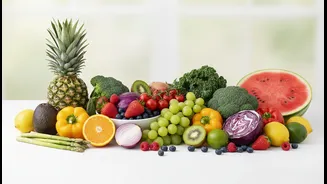
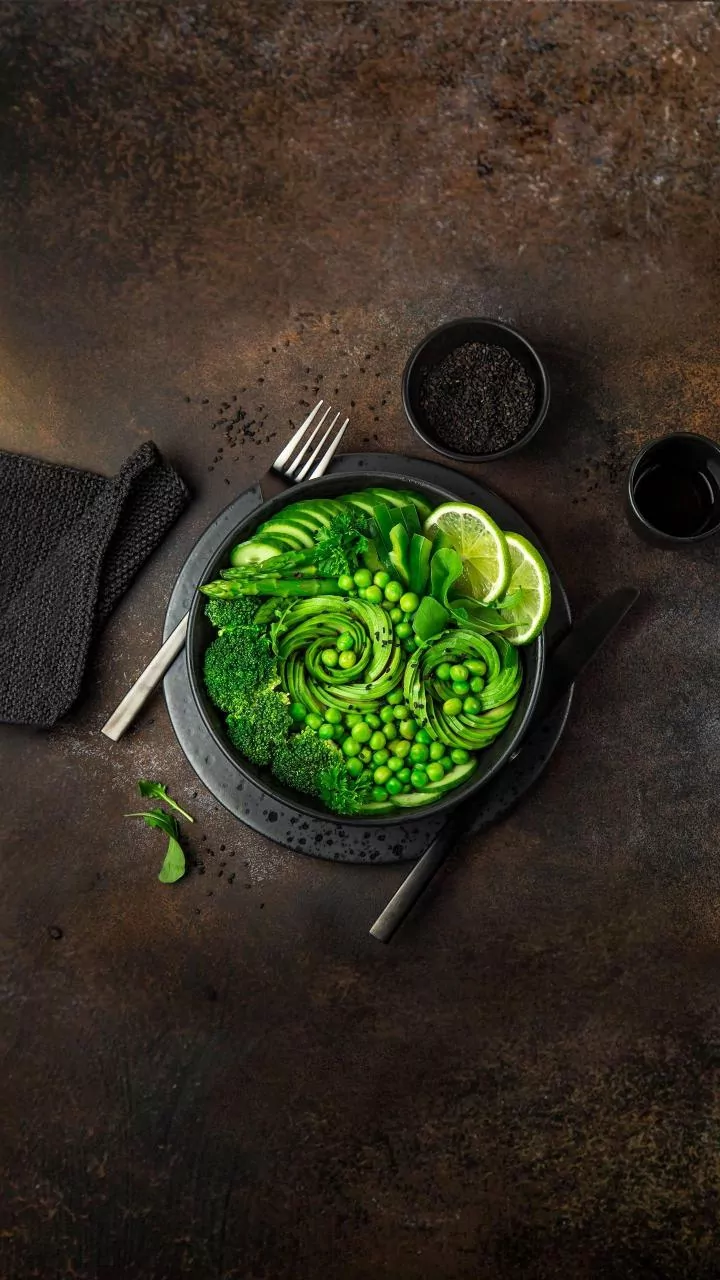
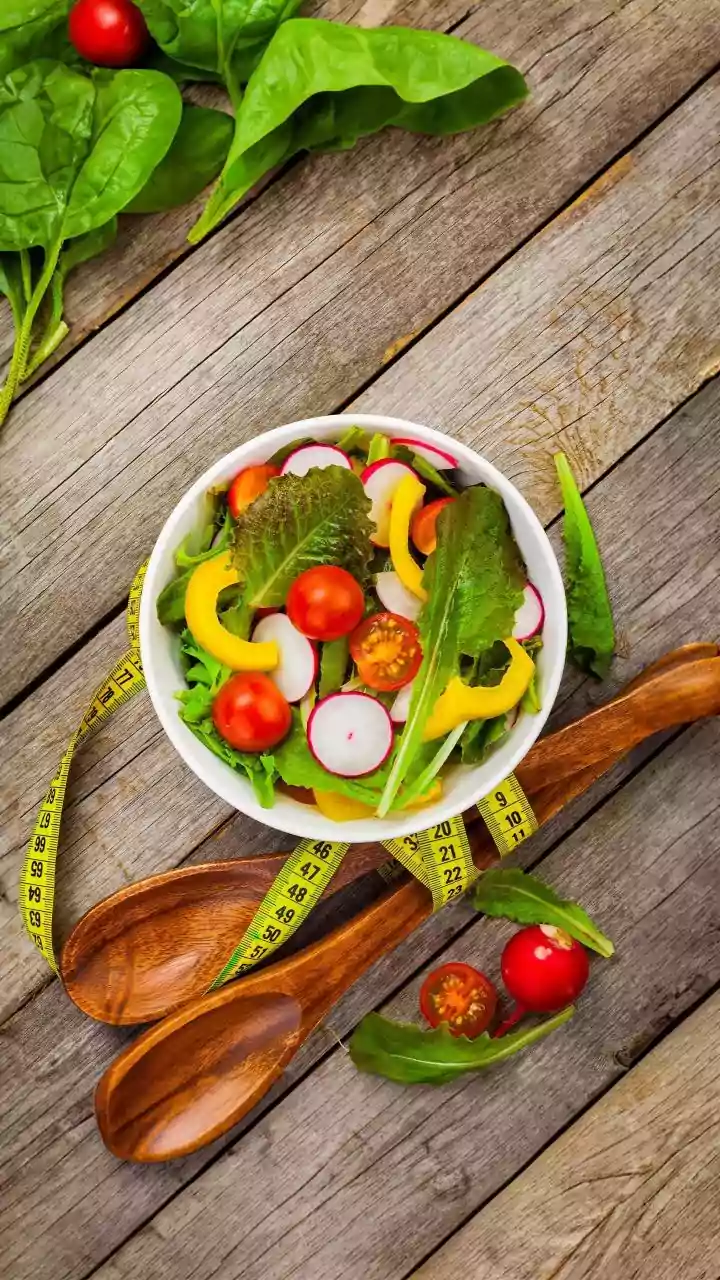
Truly meaningful nutrient contributions go beyond just the basic vitamins and minerals listed on a nutrition label. Plants produce thousands of natural compounds called phytonutrients, which act as their defense system against threats like disease and sun damage. When we consume these plants, we get the benefits too. These compounds are often what give fruits and vegetables their vibrant colours—like the lycopene that makes tomatoes red or the beta-carotene that makes carrots orange. Phytonutrients have powerful antioxidant and anti-inflammatory properties. Eating a wide variety of colourful plant foods—a true 'rainbow' diet—ensures you are consuming a broad spectrum of these protective compounds, which can help boost your immune system and lower the risk of chronic diseases.
Building a Meaningfully Diverse Plate
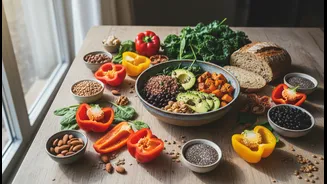
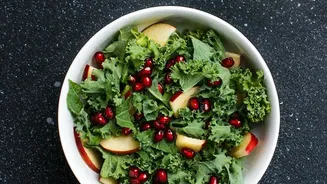
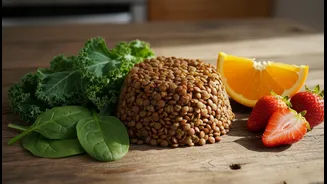
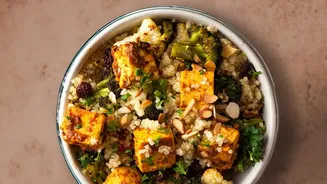
So, how do you put this into practice? The goal is to move from superficial variety to meaningful nutritional diversity. Instead of just eating 'vegetables', aim for a mix of leafy greens (like spinach and kale), cruciferous vegetables (like broccoli and cabbage), and colourful options (like bell peppers and sweet potatoes). Instead of relying on a single grain, incorporate a variety of whole grains like quinoa, barley, and oats into your week. For protein, look beyond just one source and include a mix of lean meats, poultry, fish, eggs, beans, lentils, and nuts. A simple strategy at the grocery store is to intentionally pick up a fruit or vegetable of a colour you haven't eaten recently. This small habit can significantly broaden the range of nutrients and phytonutrients you consume.
A Simple Checklist for Nutrient-Rich Meals
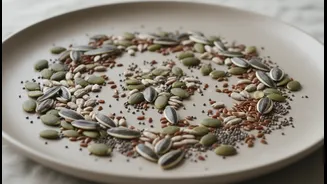
To make it easier, use a mental checklist when preparing your plate. First, aim to fill half of it with a variety of colourful vegetables and fruits. Second, ensure you have a source of lean protein to help with satiety and muscle maintenance. Third, include a source of fibre-rich complex carbohydrates, such as whole grains or legumes, to provide sustained energy and support digestive health. Finally, add a small amount of healthy fat from sources like avocado, nuts, seeds, or olive oil. This framework encourages you to think about food groups and their nutritional roles, moving beyond a narrow focus on calories alone. The aim is not perfection at every meal, but a consistent effort to build plates that are both diverse and genuinely nourishing.