

An Appetite for Authenticity
For years, the mainstream perception of Indian cuisine, both at home and abroad, has been shaped by a relatively small menu of popular North Indian and Mughlai dishes. While delicious, this standardization overlooks thousands of unique culinary traditions
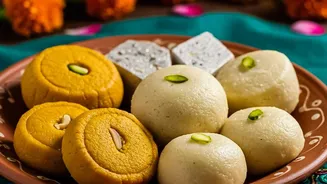
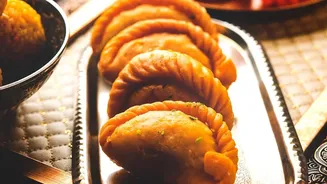
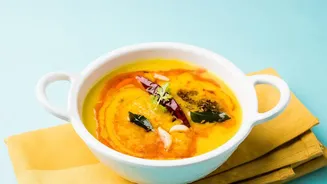
from different states, communities, and even households. Every region in India boasts its own distinct food culture, shaped by local climate, agriculture, and history. However, many of these hyper-local cuisines have remained hidden gems, known only within their communities. Now, a growing hunger for authenticity is changing the narrative. Food enthusiasts are looking past generic curries and seeking deeper, more meaningful connections to their culinary roots, creating the perfect environment for a revival of traditional cooking.
The Festival as a Culinary Stage
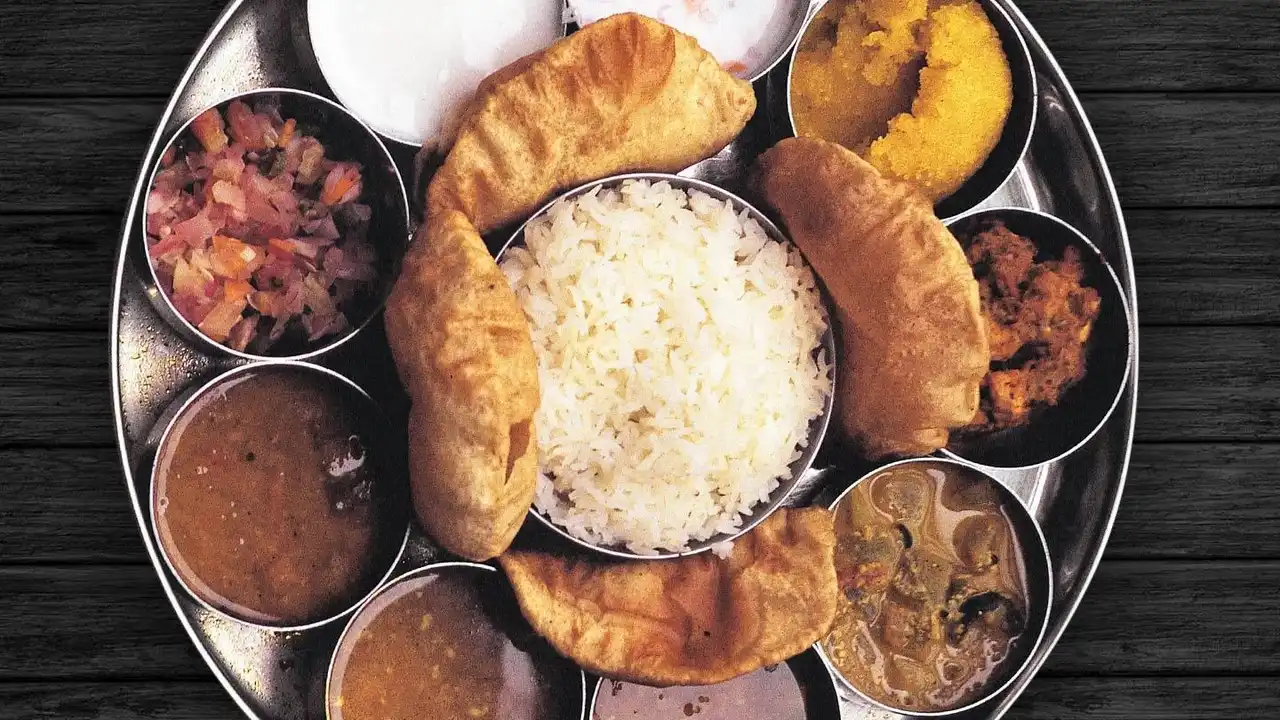
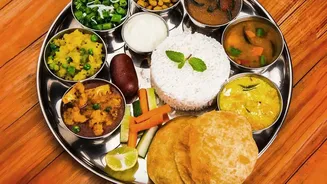
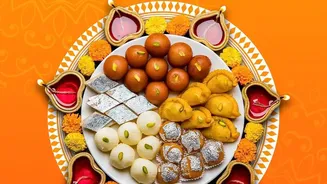
Enter the regional food festival, a vibrant and accessible platform for this culinary rediscovery. Major hotel chains and independent restaurants are increasingly hosting these events, turning their dining rooms into lively showcases of India's gastronomic diversity. These festivals are much more than just a meal; they are immersive cultural gatherings that celebrate community, history, and seasonal ingredients. For instance, hotels across the country mark the harvest season with Pongal feasts, featuring special thalis and traditional dishes that bring the spirit of the festival to urban diners. Similarly, events like the 'Food Bazaar of India' in Delhi bring together over a hundred authentic dishes from the North, South, East, and West, creating a bustling bazaar of flavours under one roof.
From Royal Tables to Lost Recipes
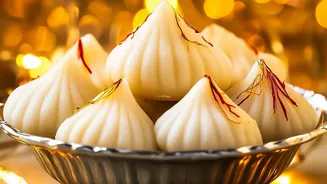
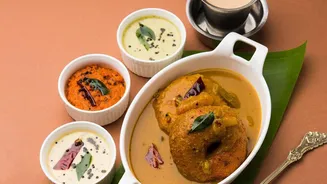
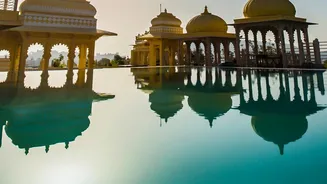
The scope of these festivals is impressively broad, exploring everything from the lavish cuisines of royal courts to the rustic, forgotten recipes of remote communities. It’s a chance to sample dishes that are rarely found on commercial menus. A festival might celebrate the robust, smoky flavours of Nagaland, the Portuguese-influenced coastal cuisine of Goa, or the subtle, aromatic dishes of a Kayastha kitchen. Many events are curated by food historians and culinary experts who travel extensively to document and preserve these dying recipes. By featuring home cooks and traditional chefs, these festivals give a voice and a platform to the guardians of India's culinary heritage, ensuring their knowledge is passed on to a new generation. The focus is on authenticity, using traditional cooking methods and locally sourced, seasonal ingredients to tell a story with every bite.
Why This Trend Matters Now
This movement is about more than just satisfying adventurous palates. It is a conscious effort to preserve India's intangible cultural heritage. In an era of globalization and homogenized tastes, these festivals serve as a vital link to the past, celebrating the practices, rituals, and stories embedded in food. They foster a sense of identity and community, allowing people to reconnect with their own regional histories or explore the rich traditions of their neighbours. For chefs, it's an opportunity for innovation, allowing them to reintroduce ancient grains like millets and forgotten vegetables in contemporary formats. For diners, it is an education, offering a delicious journey across the country without ever leaving their city. This trend signifies a collective shift towards valuing and celebrating the true depth and breadth of what it means to eat in India.