



An Unmatched Talent Factory
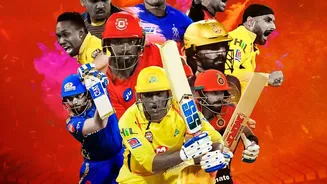
The most straightforward reason is skill. India's vast and passionate cricket ecosystem, supercharged by the Indian Premier League (IPL), produces a depth of talent unmatched anywhere in the world. For every star player in the national team, there are
dozens of highly skilled, T20-savvy cricketers playing domestic cricket or in the IPL who could walk into most other international leagues. These players are honed in high-pressure situations, comfortable with the demands of franchise cricket, and possess a level of skill that is globally respected. Leagues in South Africa, the Caribbean, and the USA see this ready-made talent pool as a way to instantly elevate the quality and competitiveness of their own tournaments.
The Billion-Fan Broadcast Market
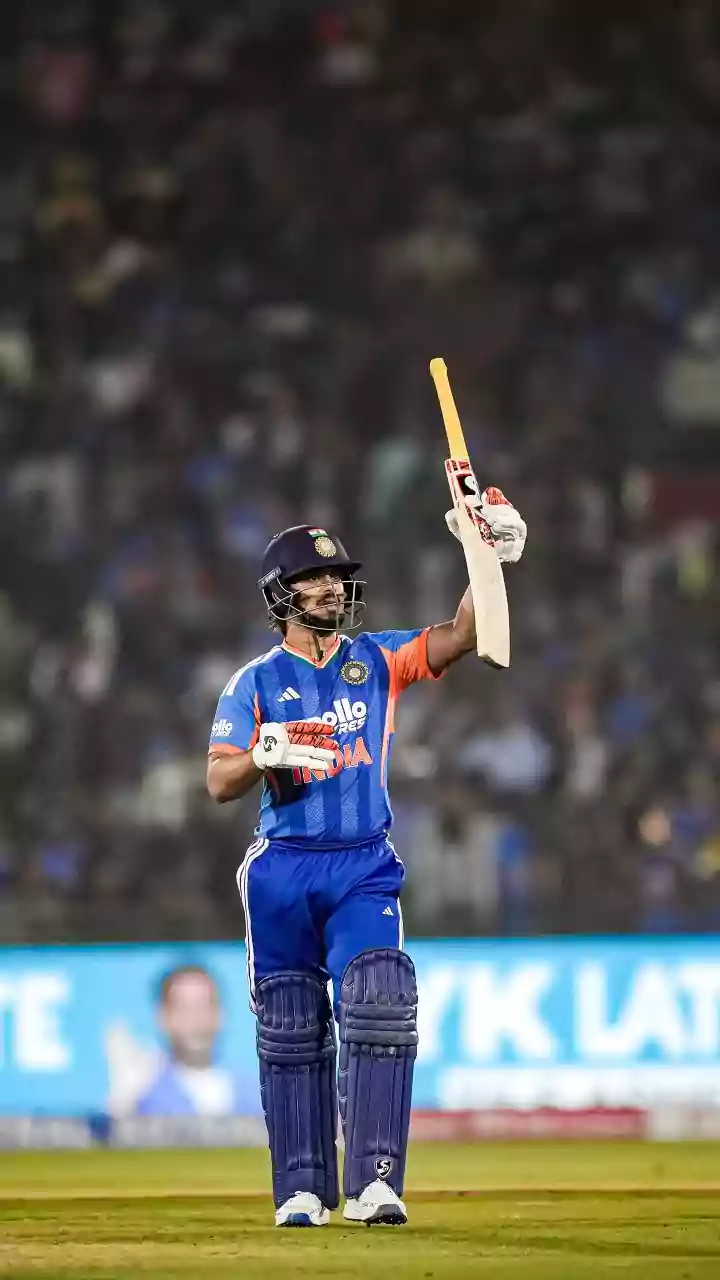
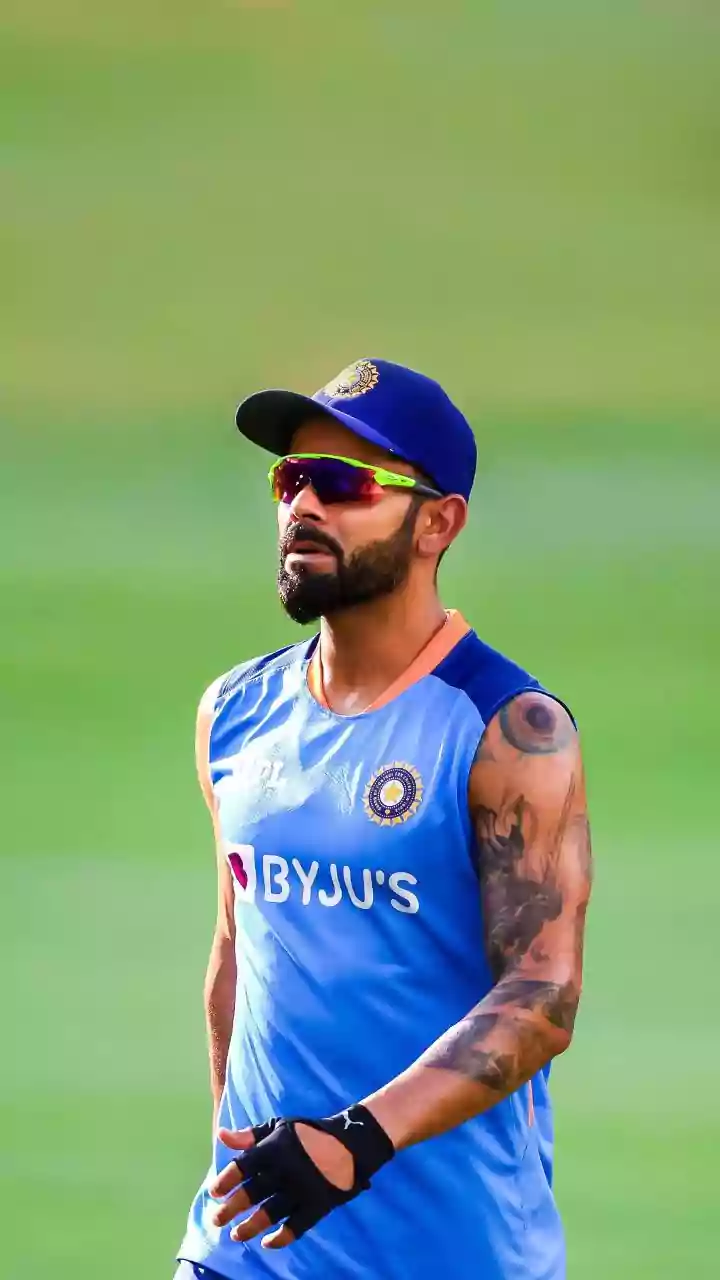
Beyond the on-field talent, the primary driver is commercial. Signing an Indian player is a direct gateway to the largest and most passionate cricket viewership market on Earth. Indian fans follow their favourite players with fierce loyalty. The presence of just one notable Indian player can cause broadcast and streaming numbers for an overseas league to skyrocket in India. This surge in viewership makes the league exponentially more valuable to broadcasters and sponsors operating in the Indian market. The Indian sports broadcast market is a multi-billion dollar industry, and leagues know that featuring an Indian star is the surest way to capture a slice of that lucrative pie. The dream isn't just to sign a player, but to sign an audience of hundreds of millions.
The Expanding IPL Ecosystem
A significant recent development is the global expansion of IPL franchises themselves. Owners of teams like Mumbai Indians, Kolkata Knight Riders, and others have been aggressively buying franchises in new T20 leagues across the globe, including the SA20 in South Africa, Major League Cricket (MLC) in the USA, and the Caribbean Premier League (CPL). In fact, all six teams in the SA20 are owned by IPL franchise investors. These owners naturally want to create a global brand, using the same colours, branding, and star players across their portfolio of teams. Having their top Indian stars play for their sister franchises in other leagues would build year-round brand loyalty and create a seamless global narrative for fans. This creates a powerful internal demand from some of the most influential figures in world cricket.
The BCCI's Firm Stance
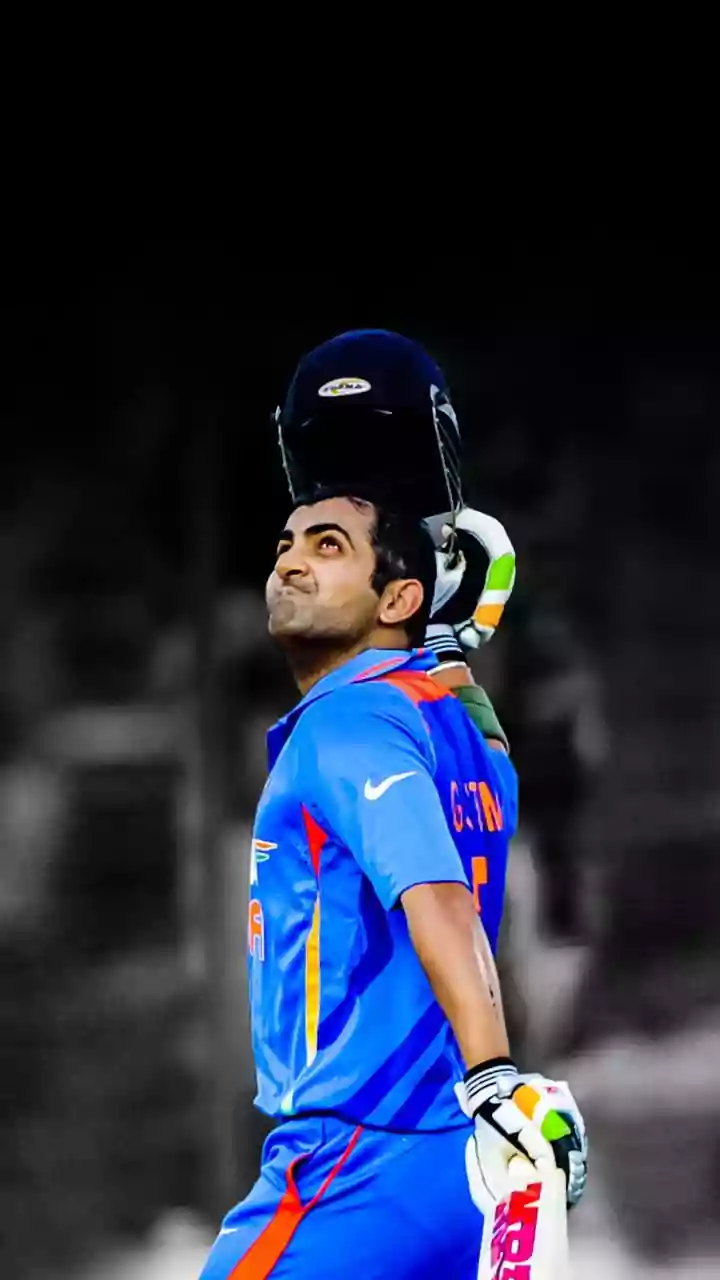
The main obstacle in this global tug-of-war is the Board of Control for Cricket in India (BCCI). For years, the BCCI has maintained a strict policy of not issuing the required No Objection Certificate (NOC) for active male Indian cricketers to participate in any foreign T20 league. The primary reason is to protect the exclusivity and primacy of the IPL. By ensuring its top players are only seen in the IPL, the BCCI maintains the league's status as the world's undisputed premier T20 tournament. This policy also helps manage player workload and ensures their availability for national duty and domestic cricket. While this stance frustrates overseas leagues and some players, the BCCI sees it as a crucial strategy to safeguard its most valuable asset.
A Glimpse of the Future?
While active male players are barred, there are exceptions that offer a hint of what's possible. The BCCI allows female cricketers to participate in overseas leagues like The Hundred and the Women's Big Bash League, providing them with invaluable experience. Furthermore, male players who have officially retired from all forms of Indian cricket, including the IPL, are free to join foreign leagues. We have seen players like Pravin Tambe, Unmukt Chand, and more recently Dinesh Karthik take this route after their Indian careers concluded. Some prominent voices, like former head coach Ravi Shastri, have argued for allowing non-contracted or fringe Indian players to play abroad for exposure. As the global cricket landscape continues to evolve, the pressure on the BCCI's long-standing policy is only set to increase.