





The Rise of a Dairy Contender
Not long ago, Greek yoghurt was a niche product, found only in premium stores in metro cities. Today, it’s a common sight, with brands making it more accessible than ever. This growth is part of a larger movement towards functional foods, driven by a rising
awareness of health and wellness among Indian consumers. The Indian probiotic foods market reached approximately USD 5.1 billion in 2025 and is projected to grow significantly, reflecting a clear demand for products that do more than just fill you up. Urban consumers, particularly those between 22 and 40, are leading this change, seeking out foods that support their fitness goals and busy lifestyles.
The Gut Health Revolution
The term 'gut health' has entered the mainstream, and for good reason. An unhealthy diet is linked to a significant portion of India's total disease burden, prompting many to look at food as a form of preventive medicine. Probiotics, the beneficial live bacteria found in fermented foods like yoghurt, are at the forefront of this revolution. They are known to support digestion, boost immunity, and even influence mood. While traditional Indian cuisine has always been rich in probiotic foods like dahi, chaas, and pickles, the modern emphasis on 'gut health' has given these foods a new, scientific appeal. This growing awareness is fuelling the demand for products that are explicitly marketed for their probiotic content.
More Than Just a Dahi Substitute
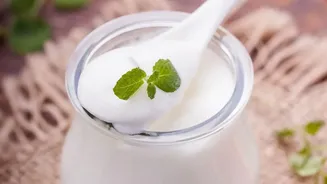
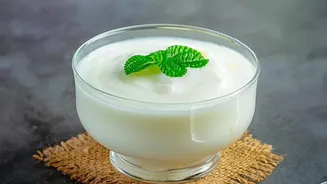
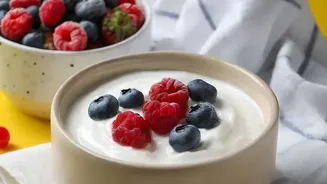
While both are fermented dairy products, Greek yoghurt and traditional dahi are not the same. The key difference lies in the preparation: Greek yoghurt is strained to remove most of the liquid whey. This simple step results in a much thicker, creamier product that packs almost double the protein of regular dahi—around 8-10 grams per 100g compared to dahi's 3-4 grams. This high protein content makes it more satiating, which is a major draw for those focused on fitness and weight management. It also has less lactose, making it a suitable option for some people with lactose intolerance. However, dahi often contains slightly more calcium and can have a wider variety of natural bacterial strains due to its traditional preparation method.
New Culinary Roles in the Indian Kitchen
The real story is how Greek yoghurt is being integrated into Indian cooking. Its thick consistency, which is similar to homemade 'hung curd' or 'chakka', makes it a versatile ingredient. Home cooks and chefs are using it as a rich, protein-packed base for marinades for chicken or paneer tikka, creating tender results without the need for heavy creams. It's also being used to add creaminess and body to curries, as a base for dips and raitas, and even in desserts like shrikhand. Some recipes for classic dishes like kadhi or yogurt chicken curry now suggest Greek yoghurt as a ready-to-use alternative to hung curd, simplifying the process while adding a nutritional boost.
A Broader Fermented Food Revival
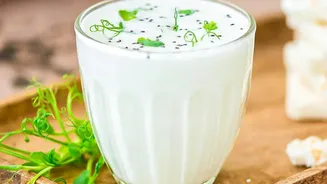
The enthusiasm for Greek yoghurt is part of a wider revival of interest in all kinds of fermented foods. Beyond the dairy aisle, products like kefir (a fermented milk drink), kombucha (fermented tea), and kimchi (fermented vegetables) are also gaining popularity in urban India. This indicates a broader shift in the Indian palate, which is becoming more global while also rediscovering the health wisdom embedded in its own culinary traditions. From simple homemade curd rice to trendy kombucha on tap, fermented foods are being embraced for their complex flavours and, most importantly, their contribution to a healthy gut.