

Heme vs. Non-Heme: Not All Iron is Equal
First, it's helpful to know that dietary iron comes in two forms: heme and non-heme. Heme iron is found in animal products like red meat, poultry, and fish. It's the superstar of the iron world because your body absorbs it very efficiently — typically
at a rate of 15% to 35%. The absorption of heme iron is not significantly affected by other foods you eat. Non-heme iron, on the other hand, is found in plant-based foods like beans, lentils, tofu, spinach, and fortified cereals. While still essential, non-heme iron is less bioavailable, with absorption rates ranging from a lower 2% to 20%. This is because its absorption is highly influenced by other nutrients in your meal, which can either help or hinder the process.
The Ultimate Enhancer: Vitamin C
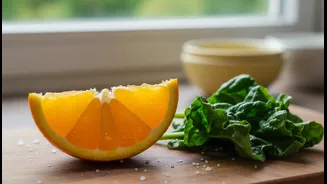
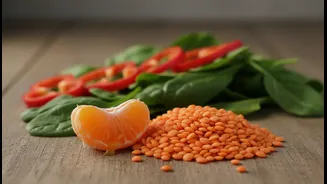
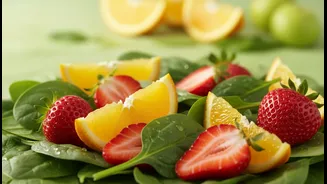
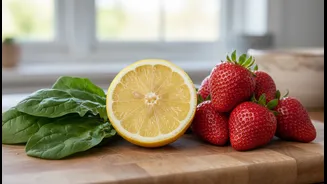
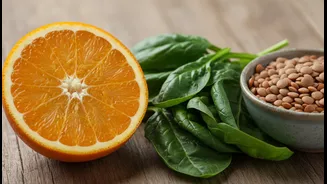
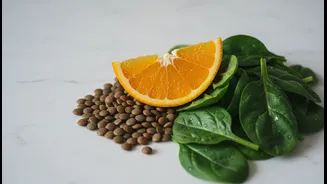
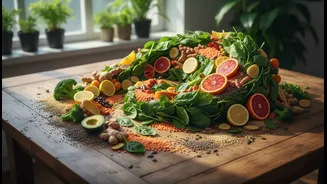
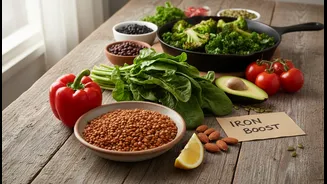
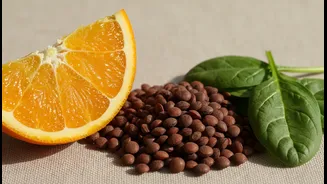
If non-heme iron is the hero, Vitamin C is its trusty sidekick. Ascorbic acid, or Vitamin C, can dramatically increase the absorption of non-heme iron. It works by converting the iron into a form that's more easily absorbed by your body. This is why health experts often recommend pairing iron-rich plant foods with a source of Vitamin C. The good news is that this is easy to do. Think about adding a squeeze of lemon to your lentil soup, having a glass of orange juice with your fortified breakfast cereal, or tossing bell peppers and tomatoes into a spinach salad. Other great Vitamin C sources include strawberries, broccoli, kiwi, and cantaloupe.
The Absorption Blockers to Watch Out For
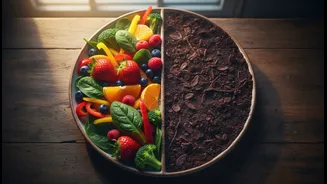
Just as some nutrients help, others can hinder iron absorption. The main culprits are phytates, polyphenols (including tannins), and calcium. Phytates, found in whole grains, beans, nuts, and seeds, can reduce iron absorption by up to 65%. Polyphenols, which are abundant in tea and coffee, are also powerful inhibitors. One cup of coffee with a meal can reduce iron absorption by as much as 60%, while some teas can inhibit it by up to 90%. It’s a good idea to drink your coffee or tea at least an hour before or after an iron-rich meal to avoid this effect.
The Role of Calcium in the Mix
Calcium is another mineral that competes with iron for absorption. When consumed in large amounts with an iron-rich meal, calcium can significantly reduce how much iron your body takes in. This applies to both heme and non-heme iron. This means that a glass of milk with your steak or cheese on your bean burrito could be limiting your iron uptake. While some long-term studies suggest the overall effect on iron status might be limited for most people, those at risk for iron deficiency may want to be more mindful. To be safe, try to separate your high-calcium foods (like dairy products) from your main iron-rich meals by a couple of hours.
Building the Perfect Plate for Iron
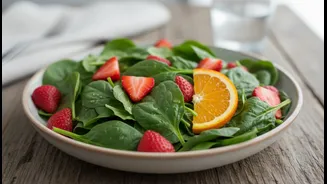
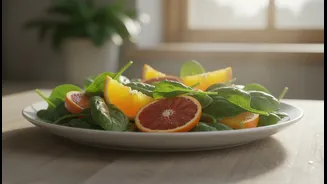
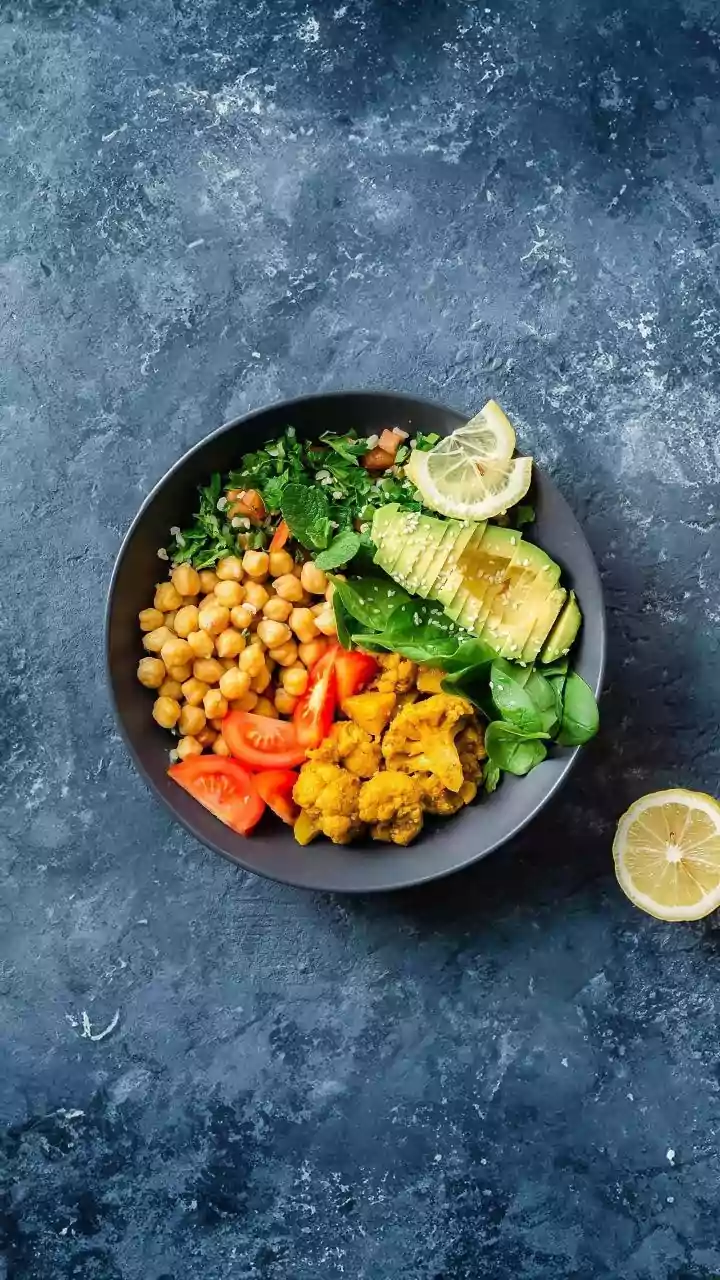
So, how do you put this all together? It’s about creating smart and delicious combinations. For breakfast, instead of tea with your fortified cereal, have a small glass of orange juice. For lunch, a spinach salad is great, but make it even better by adding strawberries or bell peppers and using a lemon-based vinaigrette. Pair your black bean chili with tomatoes and peppers instead of topping it with a large dollop of sour cream or cheese. If you're having a lentil curry, serve it with a side of steamed broccoli. For dinner, if you are having a plant-based meal of tofu and greens, cook the greens with a bit of garlic and a squeeze of lemon to boost that non-heme iron. By making these small tweaks, you can significantly enhance your body's ability to absorb and use this crucial mineral, helping you feel more energised and vibrant.