


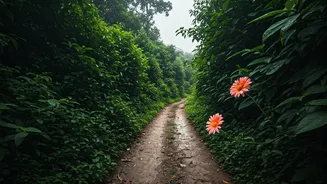



The Right Clothing: Think Quick-Dry, Not Cotton
The golden rule of monsoon trekking is to avoid cotton at all costs. [7] Cotton absorbs moisture, gets heavy, and takes a long time to dry, which can lead to discomfort, chafing, and even hypothermia on colder, high-altitude treks. [5, 16] Instead, opt
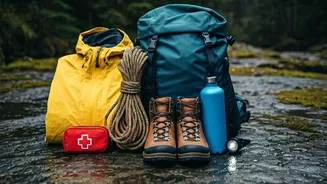
for synthetic or merino wool fabrics that are quick-drying and moisture-wicking. [7] A layered clothing system is your best friend. [5] Start with a synthetic t-shirt, add a fleece jacket for insulation, and top it off with a reliable waterproof outer layer. Pack at least two pairs of quick-dry trekking pants. Convertible pants that zip off into shorts can be versatile, but full-length pants offer better protection from insects, scratches, and leeches. [3, 7]
Footwear: Grip, Drainage, and Happy Feet
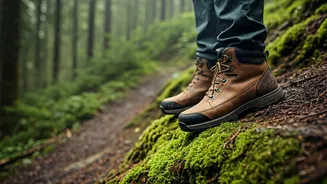
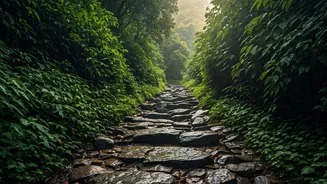
Your feet are your most crucial asset on a trek, and monsoon trails demand respect. Choose trekking shoes with excellent grip and deep lugs to handle slippery rocks and muddy slopes. [7, 10] While waterproof boots sound ideal, they can sometimes work against you. In sustained rain, water can enter from the top and get trapped inside, leading to soaked feet. [16] Many seasoned trekkers prefer water-resistant shoes that offer good drainage and breathability, paired with waterproof socks. [16] This combination keeps your feet dry without turning your boots into mini-pools. Also, pack at least two pairs of extra socks, preferably wool or synthetic. [7] Never underestimate the misery of wet feet or the joy of putting on a dry pair of socks at the end of a long day.
Waterproofing Your World: Beyond the Raincoat
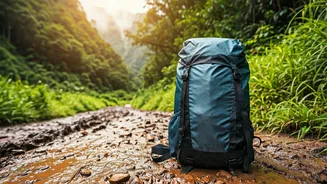
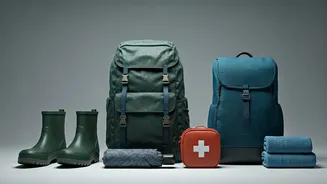
A good rain jacket or poncho is non-negotiable. [8] Ponchos are great for covering both you and your backpack, offering ample ventilation. [8, 14] A dedicated rain jacket and rain pants provide better mobility and are often preferred for more strenuous hikes. [13] Your backpack also needs protection. Most modern backpacks come with a built-in rain cover, but it’s wise to double-bag your essentials inside with dry bags or simple plastic bags. [7, 13] Use smaller ziplock bags for your electronics, wallet, and any important documents. [8, 19] This layered approach to waterproofing ensures your critical gear—like warm layers and a first-aid kit—remains dry even if your outer bag gets damp. [13, 16]
The Leech Strategy: Prevention and Removal
For many, the biggest psychological hurdle of monsoon trekking in the Western Ghats and Himalayas is the presence of leeches. [6] Thankfully, with some preparation, they are more of a nuisance than a real danger. [4] Leech-proof socks, which are long and made of tightly woven fabric, are highly effective. [2] You can also tuck your pants into your socks to create a barrier. [4] Applying a DEET-based insect repellent, or even a simple mixture of salt and mustard oil, on your shoes and socks can deter them. [2, 6] If you do get a leech, don't panic or pull it off forcefully. [4] A sprinkle of salt will make it detach immediately. [6] Clean the wound with an antiseptic wipe and apply a bandage, as the bite may bleed for a while due to the anticoagulant leeches secrete. [6]
Essential Gear and Safety Kit
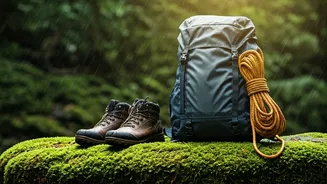
Beyond clothing, a few key items are crucial for safety and comfort. Trekking poles are invaluable for maintaining balance on slippery descents and stream crossings. [10] A headlamp with extra batteries is essential, as monsoon cloud cover can lead to poor visibility and early dusk. [18, 20] Your first-aid kit should be well-stocked with antiseptic liquid, bandages for cuts and blisters, pain relievers, and any personal medications. [18] Also include water purification tablets or a filter, as streams can be contaminated. [8] Pack high-energy snacks like nuts, dried fruits, and energy bars that won't get soggy. [18] Finally, a small, quick-dry towel is a lightweight luxury you won't regret packing. [7]