






The Dawn of an Industry
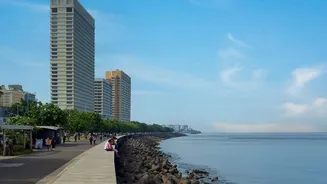
The story begins over a century ago. On May 3, 1913, Dadasaheb Phalke, often called the 'Father of Indian Cinema', released India's first full-length feature film, 'Raja Harishchandra'. The premiere took place in Bombay (now Mumbai), marking the city's
first major claim in the world of motion pictures. Phalke, inspired after watching a film on the life of Christ, was determined to see Indian mythological figures on screen. He traveled to London to learn filmmaking, and upon his return, established a studio, laying the groundwork for an entire industry. Bombay, with its status as a major port and the financial capital of India, was a natural choice. It had the capital for investment and a cosmopolitan, progressive outlook that was more accepting of the nascent, and at times disreputable, art of filmmaking.
The Rise of the Studio System
Following Phalke’s lead, the 1930s saw the rise of the studio system, which cemented Mumbai's role as a production hub. Visionaries like Himanshu Rai, Devika Rani, and Rajnarayan Dube established Bombay Talkies in 1934 in the suburb of Malad. It was a pioneering, corporatized studio modeled after Hollywood, with state-of-the-art equipment, editing rooms, and soundproof stages. Studios like Bombay Talkies and Prabhat Film Company became self-sufficient ecosystems, employing hundreds of technicians, artists, and writers on a monthly salary. This system not only produced a string of hit films but also launched the careers of legends like Ashok Kumar, Dilip Kumar, and Madhubala. These studios created a unique cinematic language, tackling social issues and blending Indian narratives with modern aesthetics.
Partition and the Influx of Talent
A pivotal moment in cementing Mumbai's dominance was the Partition of India in 1947. The event destabilized the subcontinent's two major film centres: Lahore and Bombay. While some Muslim artists and directors left Bombay for the newly created Pakistan, a much larger wave of talent—including actors, writers, producers, and musicians—migrated from Lahore to Bombay. Prominent figures like the Chopra brothers (B.R. and Yash) and Gulzar were among those who made the journey. This influx of artists, particularly from the Punjab region, not only filled any void but also infused the industry with new energy, stories, and perspectives. With Lahore's industry diminished, Mumbai's position as the undisputed centre of Hindi cinema was solidified.
Building the Dream Factory: Film City
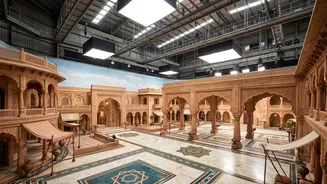
As the industry grew, so did the need for dedicated infrastructure. In 1977, the Maharashtra government established Film City in Goregaon, an sprawling 520-acre complex envisioned to provide comprehensive facilities for film production. Officially named Dadasaheb Phalke Chitranagari, it was planned under the guidance of industry veterans like V. Shantaram. Film City offered everything from sound stages and recording studios to versatile outdoor locations, including artificial lakes, temples, and villages. This consolidation of resources made it easier and more efficient to produce films, further anchoring the creative process within Mumbai. It became a one-stop-shop for filmmakers, a true 'dream factory' where any vision could be brought to life.
A Modern Creative Ecosystem
Today, Mumbai's role extends far beyond shooting locations and studios. The city is home to a dense and interconnected ecosystem of creative services that support the entire filmmaking process. Post-production houses, visual effects (VFX) studios, talent agencies, marketing firms, and music production companies are all concentrated in and around suburbs like Andheri and Bandra. This concentration of talent and resources creates a powerful network effect; everything and everyone a filmmaker needs is within reach. It's this complete creative and logistical framework—built over a century of history, migration, and innovation—that ensures Mumbai remains the vibrant, beating heart of Bollywood.