


Beyond the Studio Walls
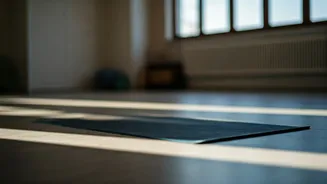
For many, the word ‘yoga’ conjures images of serene, silent studios with pristine mats, hushed tones, and an atmosphere of intense focus. While this environment is perfect for some, a growing movement is taking the ancient practice out of its confined
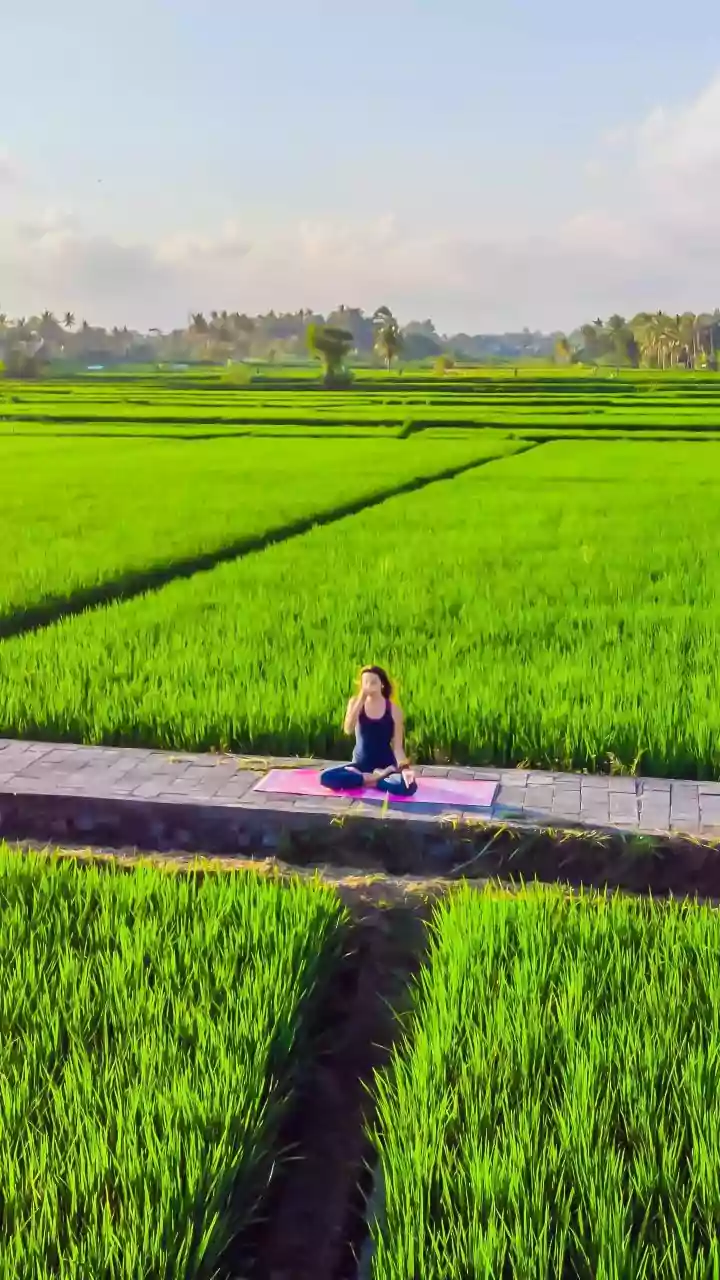
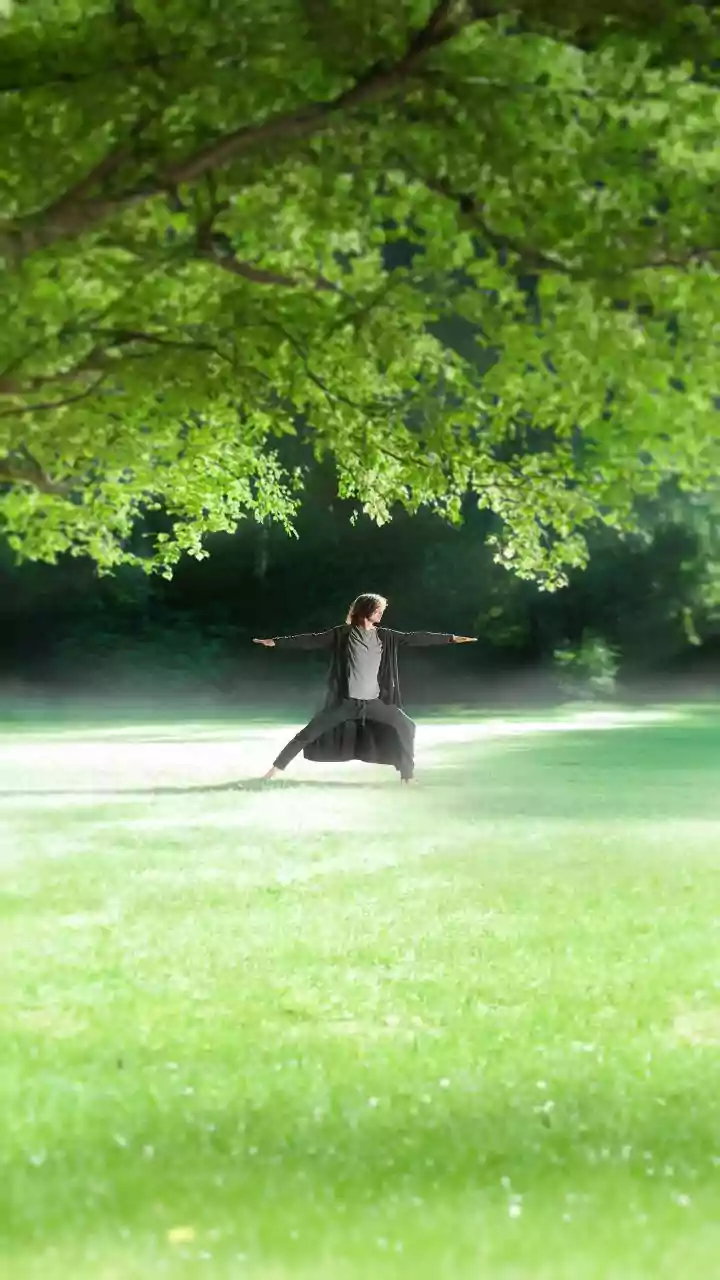
space and into the open air. All across India, from Mumbai’s Carter Road Promenade to Bengaluru’s Cubbon Park, groups are gathering to practise yoga amidst the trees, birdsong, and the ambient hum of city life. This isn't just about changing the scenery. Moving yoga into a public park fundamentally alters the experience, shifting it from a purely individual pursuit to a shared, communal activity. The formal walls of a studio can sometimes feel intimidating, creating an invisible pressure to have the right gear, the perfect posture, or a specific body type. In a park, these barriers crumble.
The Social Mat
The core promise of the headline holds true: park yoga is inherently more social. In a studio, participants often arrive in silence, claim their spot, and leave just as quietly. The focus is internal. Outdoors, the dynamic shifts. The shared experience of a cool breeze, the unexpected chirp of a bird, or the distant laughter of children creates small, collective moments. Before and after class, conversations spark up naturally. There’s a sense of camaraderie that develops when you’re all braving a slightly uneven patch of grass or sharing a laugh when a curious dog wanders through the class. It transforms wellness from a solitary task on a to-do list into a pleasant social outing. This feeling of connection is a powerful antidote to the urban isolation many people experience.
Nature’s Bonus Benefits
The benefits aren't just social; they're physiological. Practising outdoors, often referred to as 'green exercise,' comes with a host of scientifically-backed advantages. Studies have shown that exercising in nature can reduce stress, anxiety, and feelings of depression more effectively than indoor workouts. The exposure to sunlight helps the body produce Vitamin D, a crucial nutrient for bone health and immune function that is often deficient in urban populations. The varied terrain of a park also challenges the body in new ways. Balancing on slightly uneven ground engages more stabiliser muscles than a perfectly flat studio floor, subtly deepening the physical practice. Your senses are also more engaged—the smell of fresh-cut grass, the sight of changing cloud patterns, the feeling of the earth beneath your feet—making the practice a more holistic, grounding experience.
An Invitation for Everyone
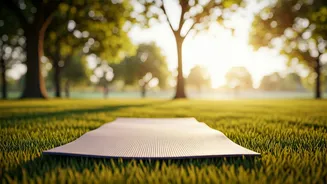
One of the most significant aspects of park yoga is its accessibility. Many of these sessions are free or donation-based, removing the financial barrier that can make studio memberships prohibitive. This open model attracts a more diverse group of people—students, retirees, working professionals, and curious beginners who might never have stepped into a formal yoga class. The informal setting makes it less intimidating for newcomers. There's no front desk to check in with, no pressure to wear expensive athletic wear. You can simply show up with a mat (or even just a towel) and join in. This inclusivity is key to its success, making wellness feel like a public good rather than a private luxury. It democratises the practice, bringing its benefits to a wider cross-section of the community.
Finding Your Flow Outdoors
Joining this trend is simpler than you might think. Many groups are organised informally through social media platforms like Instagram or community apps like Meetup. A quick search for 'park yoga' along with your city's name will often reveal several options. Local park authorities and community centres also sometimes sponsor these events. If you're considering trying it, just bring a yoga mat, a water bottle, and comfortable clothing. Don’t worry about perfection. The spirit of park yoga is about embracing the imperfections—the wobbly poses on uneven ground, the distractions of the environment, and the shared humanity of practising together, out in the open.