






The Oktoberfest Tsunami
Let's start with the big one: Oktoberfest. Held annually from mid-September to the first Sunday in October, it is the world's largest folk festival, drawing around seven million visitors to Munich. For Indian travellers, this period can be a double-edged
sword. The energy is infectious, but the logistical impact is immense. Expect flight prices from India to surge and hotel rates to skyrocket, often tripling or quadrupling. Accommodation gets booked up to a year in advance, and the city's transport is packed. If experiencing this global spectacle is your primary goal, you must plan meticulously and be prepared for significant expenses. For Oktoberfest 2026, the dates are set from September 19 to October 4.
Meet Oktoberfest’s Little Sister: Frühlingsfest
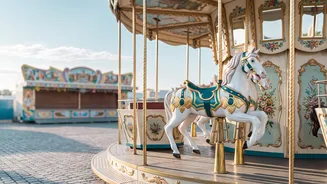
If you love the idea of a traditional Bavarian beer festival but not the overwhelming crowds and peak-season prices of Oktoberfest, consider its charming sibling: Frühlingsfest, or the Spring Festival. Held from late April to early May on the same Theresienwiese grounds, it's often called "Little Oktoberfest." It features a similar setup with large beer tents, delicious food, and carnival rides but on a much smaller, more local scale. For families and travellers seeking a more relaxed and authentic atmosphere, this is a fantastic alternative. The weather is pleasant, and you'll find more elbow room to enjoy your pretzel and stein.
Winter Magic and a Local Secret
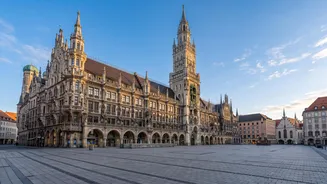
Bavaria's festive spirit isn't confined to beer. From late November through December, Munich transforms into a winter wonderland with its famous Christmas Markets (Christkindlmarkt). The main market at Marienplatz, with roots in the 14th century, is a must-visit for its enchanting atmosphere, mulled wine (Glühwein), and handcrafted gifts. While still popular, the crowds are different from Oktoberfest. For those seeking an even more local experience, there's Starkbierfest, the "Strong Beer Festival." Held during Lent (typically March), it's a tradition started by monks and is a true Munich institution, beloved by residents for its potent brews and hearty celebrations.
The Smart Traveller’s Strategy: Shoulder Seasons
The key takeaway for any savvy traveller is to aim for the "shoulder seasons"—the periods just before or after a major festival. Consider visiting Bavaria in early September before the Oktoberfest rush, or in early October after the crowds have dispersed. Similarly, the weeks leading up to the Christmas markets in early November offer a peaceful and affordable window. During these times, you get the benefit of pleasant weather without the peak-season pricing and accommodation shortages. This strategy allows you to enjoy the pre-festival buzz or the lingering festive decorations without navigating a sea of people, making for a more relaxed and immersive experience.
Actionable Tips for Your Bavarian Plan
So how do you put this into practice? First, decide on your priority: are you going for a specific festival, or do you want to explore Bavaria comfortably? If a festival is a must, book flights and hotels at least six to nine months in advance. If not, plan your travel for May, early June, or from mid-September to early October (avoiding Oktoberfest dates). A great tip is to stay in smaller towns outside Munich and use Germany's efficient train system (Deutsche Bahn) to travel into the city. This can save you a fortune on accommodation. For popular festivals like Oktoberfest, remember that entry to the grounds is free, but a reservation for a seat inside the massive beer tents is highly recommended and needs to be made months ahead.