


The Urban Craving for Green
Living in a bustling city offers incredible opportunities, but it can also create a disconnect from nature and the source of our food. Packaged greens from the supermarket often travel long distances, losing nutritional value and flavour along the way.
This reality has sparked a movement among urban dwellers to reclaim a piece of the food chain. The rise of indoor gardening is more than a trend; it's a response to a collective yearning for freshness, sustainability, and a deeper connection to what we eat. Engaging with plants has been shown to reduce stress and improve mood, making indoor gardening a therapeutic activity in a fast-paced environment. It provides a sense of accomplishment and brings a touch of nature indoors, enhancing overall well-being.
What Exactly Are Microgreens?
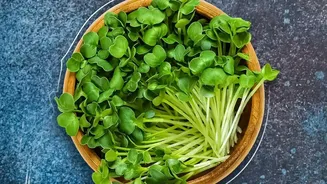
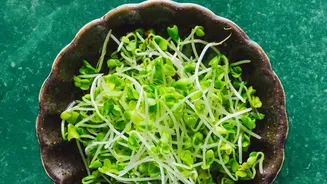
You've likely seen them delicately placed atop a dish in a fancy restaurant, but what are they? Microgreens are young vegetable greens, harvested just after the first true leaves have developed. They are older than sprouts but younger than 'baby' greens. Unlike sprouts, which are germinated in water and eaten whole (seed, root, and shoot), microgreens are typically grown in soil or a soil-free medium, and you harvest by snipping the stem and leaves. Research has shown that these tiny plants pack a powerful nutritional punch. Studies by the USDA and others have found that microgreens can contain 4 to 40 times more vitamins and antioxidants than their mature counterparts. For example, red cabbage microgreens were found to have significantly more Vitamin C and E than mature red cabbage.
The Windowsill Tray System Explained
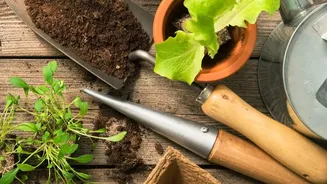
This is where the magic becomes accessible to everyone, regardless of space. A windowsill tray system is essentially a mini-garden designed for small spaces. These kits are incredibly simple, usually consisting of a shallow tray (often made from recycled plastic or bamboo), a growing medium, and seeds. The growing medium is frequently a soil-free mat, such as one made from coconut coir or hemp, which holds water effectively and provides a clean base for the seeds to germinate. The entire setup is compact enough to fit on the narrowest of windowsills, a spare corner of a kitchen counter, or a small shelf. This simplicity removes the traditional barriers to gardening—no need for a backyard, complex tools, or extensive knowledge. It's a plug-and-play solution for the modern home.
The 'Clean' Food Advantage
When the headline says 'clean' microgreens, it's referring to the complete control you have over the growing process. By growing your own, you can ensure they are free from pesticides, herbicides, and any contaminants they might pick up during a long commercial supply chain. You are the farmer. You know exactly what went into them: just seeds, water, and light. This is particularly important for greens that are eaten raw. Growing indoors in a controlled environment also greatly reduces the risk of foodborne illnesses that can sometimes be associated with commercially grown sprouts. This peace of mind, knowing your food is as pure and fresh as possible, is one of the most compelling benefits of having a small garden right in your kitchen.
Your First Indoor Harvest: A Simple Guide
Ready to get started? It’s easier than you think. First, dampen your grow mat and place it in the tray. Sprinkle your chosen seeds—radish, broccoli, or a mild mix are great for beginners—evenly and densely across the mat. Mist the seeds with water and place the tray in a location that gets good, indirect sunlight, like a windowsill. For the first few days, you might cover the tray to retain moisture and encourage germination. Mist your seeds daily. Within a week to 10 days, you'll have a lush carpet of green. To harvest, simply use a pair of clean scissors to snip the greens just above the level of the mat. It's that simple to enjoy a harvest that is literally seconds from farm to table.
Beyond the Garnish
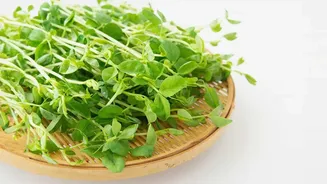
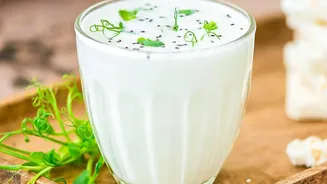
While they make a beautiful garnish, microgreens are far too flavourful and nutritious to be relegated to a purely decorative role. Their intense flavours can elevate any dish. Spicy radish microgreens can add a kick to a sandwich or wrap. Sweet pea shoots are a delicious and tender addition to salads. Broccoli microgreens can be blended into smoothies for a nutrient boost without altering the flavour too much. Try scattering a handful over your morning eggs, stirring them into pasta at the last minute, or piling them onto a slice of avocado toast. They add a burst of freshness, a pleasing texture, and a concentration of nutrients to your everyday meals.