






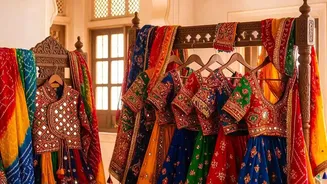
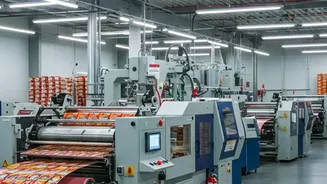
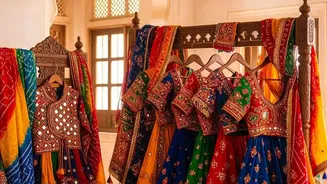
For generations, Coimbatore has been known as the 'Manchester of South India'. This title speaks to a deep history, woven from cotton, enterprise, and innovation. But what does this textile heritage truly mean for the city today?
The Seeds of an Industrial Giant
Coimbatore's journey as
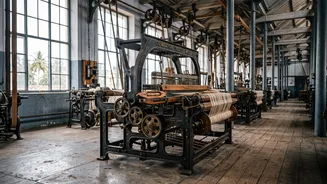
a textile powerhouse began long before the first mills. The region's rich black soil and favourable climate made it ideal for cotton cultivation, attracting traders for centuries. Ancient trade routes, including one used by Roman merchants, passed through this area, which was already renowned for its cotton textiles. The modern industrial chapter started in the late 19th century. The establishment of the Coimbatore Spinning & Weaving Mills in 1888 by Sir Robert Stanes marked a pivotal moment, ushering in an era of mechanisation. This was supported by the region's natural advantages and the entrepreneurial spirit of its people, setting the stage for an unprecedented boom.
Earning the 'Manchester' Moniker
The early 20th century saw the city’s textile industry flourish, cementing its famous nickname. The commissioning of the Pykara hydroelectric project in the 1930s provided a reliable and crucial power source, catalysing rapid industrial growth. This energy advantage, combined with local enterprise, led to a proliferation of spinning mills and textile factories. By the 1930s, industry bodies like the Southern India Mills' Association (SIMA) were formed to represent the growing number of mills, advocate for policy, and even pioneer progressive labour practices. The city became distinguished for its high-quality yarns, distinguishing it from other textile centres and solidifying its status as the textile capital of the South.
Weaving a Modern Legacy
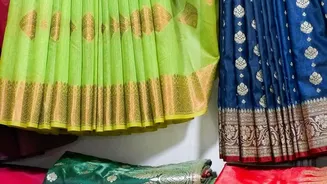
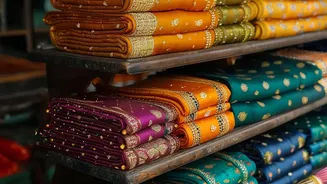
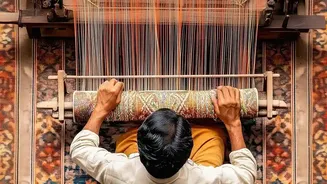
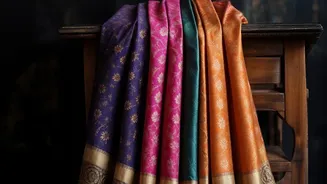
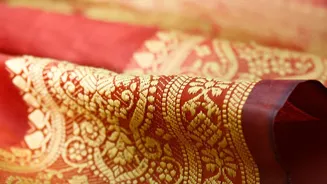
Today, Coimbatore's textile heritage is not just a relic of the past; it is a living, evolving industry. The city and its surrounding regions, including Tiruppur and Erode, form a massive textile belt that accounts for a significant portion of India's spinning capacity. While facing modern challenges like rising production costs and global competition, the industry continues to innovate. The legacy is also preserved through unique local products like the Kovai Cora Cotton, a blend of silk and cotton woven on traditional handlooms, which has earned a Geographical Indication (GI) tag. This GI tag protects the heritage of the weavers and guarantees authenticity for consumers. Research institutions like SITRA ensure that Coimbatore remains at the forefront of textile innovation, exploring everything from medical textiles to new fibre blends.
More Than Just Mills
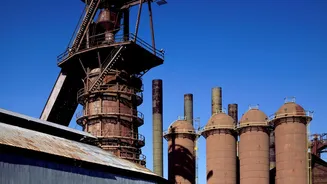
The influence of the textile industry extends far beyond the factory gates. It fundamentally shaped Coimbatore's identity, fostering a unique ecosystem of engineering and manufacturing. The need for textile machinery parts spurred the growth of foundries and machine shops. This engineering expertise later paved the way for the city to become a major hub for another key industry: pump manufacturing. The wealth generated by textiles was often reinvested into these new sectors, creating a diversified and resilient local economy. This spirit of enterprise, born from the cotton fields and spinning mills, created a self-sustaining industrial culture that continues to define Coimbatore. The textile industry did not just build factories; it built a city of entrepreneurs.