





Tackling Mould and Mildew
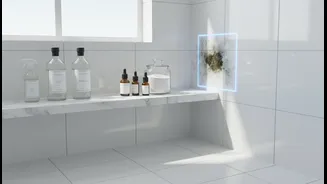
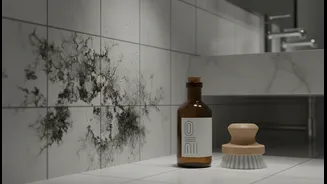
Damp walls, window corners, and bathrooms are prime spots for mould and mildew during the monsoon. Vinegar's acidic nature makes it a formidable foe against these fungal invaders. For mould on tiles, shower curtains, or other hard, non-porous surfaces,
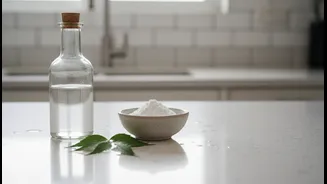
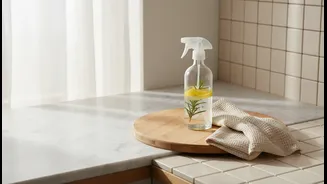
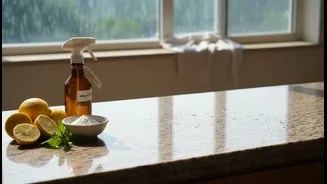
spray a solution of equal parts white vinegar and water. Let it sit for an hour before wiping it clean. The vinegar helps break down mould spores and disinfects the area. You can also use this spray in mould-prone areas as a preventative measure. For tougher grime on shower tiles, applying a baking soda paste first, letting it sit, and then spraying with the vinegar solution can help lift the stains before you scrub and rinse. Adding a few drops of tea tree oil to your vinegar spray can also boost its antifungal properties, offering another layer of defence against damp-season growth.
Deodorising Wardrobes and Fabrics
One of the biggest monsoon complaints is the persistent musty smell that clings to clothes and linens. Baking soda is a champion odour absorber. Place an open container or a small cloth bag with a few tablespoons of baking soda in your wardrobes and drawers to absorb excess moisture and neutralise odours. For clothes that already smell damp, you can sprinkle baking soda directly on the dry garment, let it sit for several hours to absorb the smell, and then shake it off thoroughly. If you're doing laundry, adding a cup of vinegar to the rinse cycle can help kill odour-causing bacteria and soften fabrics naturally. For a full refresh, some recommend washing clothes first with vinegar and then again with baking soda to completely neutralise stubborn mildew smells.
Freshening Up the Kitchen
The kitchen can develop unique odours during the humid monsoon season. To combat this, keep an open box of baking soda in your refrigerator to absorb strong food smells. To clean and deodorise your microwave, heat a bowl of water with a splash of vinegar for a few minutes; the steam will loosen grime, making it easy to wipe away. You can also use a paste of baking soda and water to scrub sinks and stovetops without scratching them. For clogged or smelly drains, a common monsoon problem, pour a cup of baking soda down the drain followed by a cup of vinegar. Cover the drain to contain the fizzing reaction, which helps dislodge grime, and then flush with hot water after about 15 minutes.
General Household Cleaning
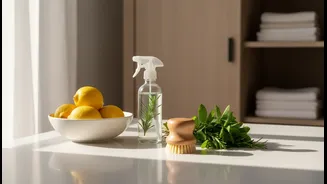
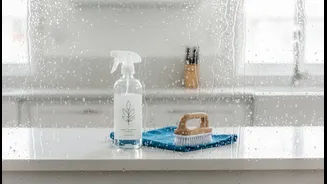
Vinegar and water make an excellent cleaner for glass and windows, leaving a streak-free shine. This solution is perfect for wiping down countertops (except stone), shelves, and other surfaces that get grimy. Baking soda can be sprinkled on carpets and rugs before vacuuming to deodorise the entire room. A paste of baking soda and water can also be used as a gentle abrasive to remove scuff marks from walls or stains from non-delicate cookware. It is far more effective to use these two ingredients separately for their distinct properties—vinegar as a liquid cleaner and disinfectant, and baking soda as a deodoriser and mild abrasive.
Important: What Not to Clean
While versatile, vinegar and baking soda are not suitable for every surface. Vinegar's acidity can damage natural stone countertops like marble and granite by etching the surface and dulling the finish. You should also avoid using it on hardwood floors, as it can strip the protective finish. Electronic screens are another no-go, as vinegar can damage their protective coatings. Baking soda is abrasive and can leave fine scratches on surfaces like glass, mirrors, and some wood finishes. It can also cause aluminum cookware to discolour or oxidise. A popular myth is to mix vinegar and baking soda to create a powerful cleaner. In reality, the chemical reaction neutralises both, leaving you with little more than salt water that is less effective for cleaning.