





The Shift Away From Sweet
For years, the café experience was often synonymous with sweetness. But as health-conscious consumers in India increasingly scrutinise ingredient lists, the demand for low-sugar and even zero-sugar options has surged. This isn't just a niche trend; it's
a mainstream movement. Consumers are more aware of the effects of refined sugar and are actively seeking alternatives that don't compromise on flavour. This cultural shift has pushed café owners to innovate, moving beyond just offering sugar-free versions of standard lattes and into entirely new territory. The challenge is clear: create beverages that are both delicious and guilt-free, offering refreshment without regret.
Rediscovering India's Botanical Pantry
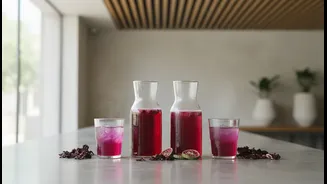
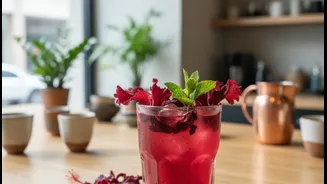
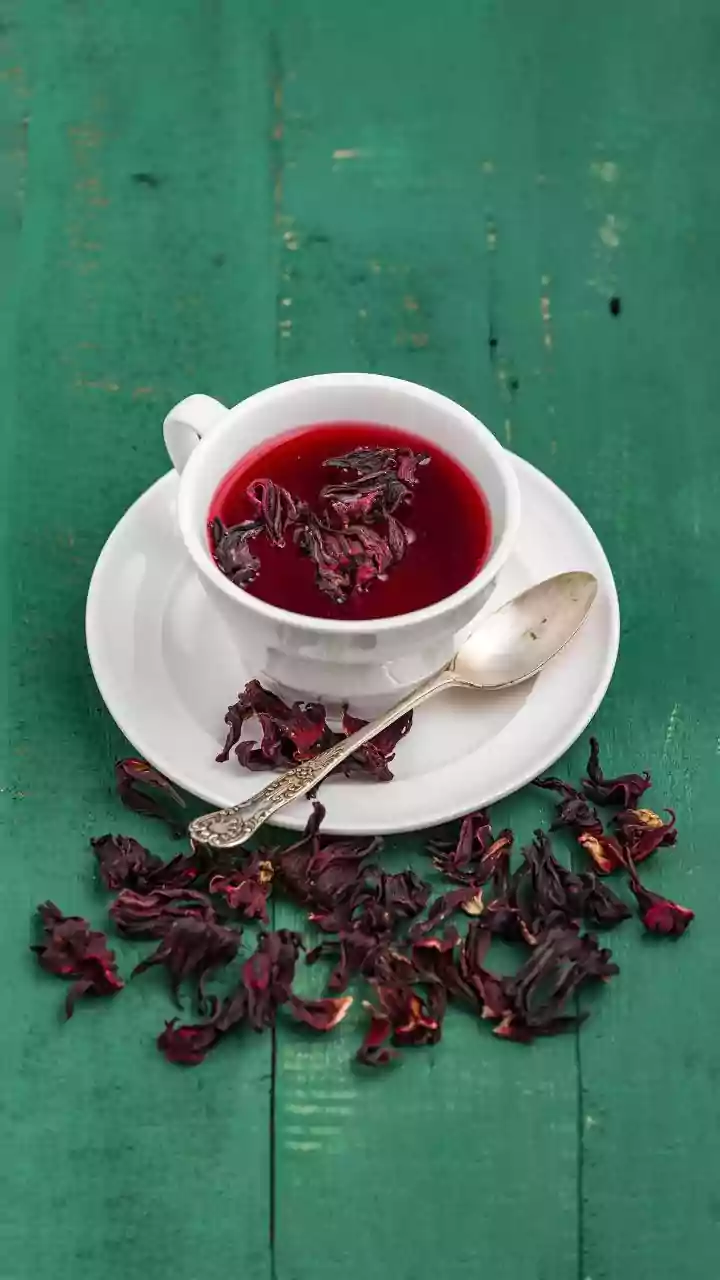
The answer, for many creative café owners, lies in our own backyards. India has a long and rich history of using botanicals in cuisine and traditional wellness practices like Ayurveda. Ingredients that were once mainstays in home kitchens are now finding a new life in contemporary cafés. Kokum, a sour, deep-red fruit from the Konkan coast, is a prime example. Traditionally used in sherbets and curries, its tart, fruity profile provides a complex acidity that citrus fruits can't replicate, allowing for depth of flavour without added sugar. But the exploration doesn't stop there. Amla (Indian gooseberry) offers a sharp sourness with a sweet aftertaste, perfect for cordials. Others are using jamun, bael, gondhoraj lebu, and even floral elements like hibiscus and rhododendron to craft unique flavour profiles that are distinctly Indian.
The Creative Process: From Plant to Palate
Developing a signature botanical drink is a labour of love that blends culinary art with science. The process begins with sourcing high-quality, often seasonal, ingredients. Foraged or sourced from local farms, these botanicals need to be processed to extract their essence. This involves techniques like creating concentrated infusions, unsweetened shrubs (a mix of fruit extract and vinegar), or house-made syrups where sweetness is carefully controlled using natural alternatives like jaggery or stevia. The goal is balance. A mixologist might soak dried kokum petals to create a tangy base, then pair it with herbs like mint or spices like cumin to add layers of complexity. Amla might be made into a cordial and then balanced with the peppery notes of ginger. This stage is all about experimentation—muddling, infusing, and tasting until the flavour profile is just right, creating a drink that is refreshing, complex, and memorable.
More Than Just a Drink
These botanical beverages represent more than just a healthier choice; they tell a story of place and tradition. By highlighting regional ingredients, independent cafés are fostering a connection to local agriculture and heritage. This movement champions a return to authentic, natural flavours over synthetic, mass-produced ones. It gives cafés a unique selling proposition that larger chains often struggle to replicate, offering customers a taste of something special they can't find anywhere else. For patrons, it’s an opportunity to explore the diverse flavours of India in a modern, accessible format. It's a journey of discovery in a glass, connecting a contemporary lifestyle with the timeless wisdom of India's botanical wealth.